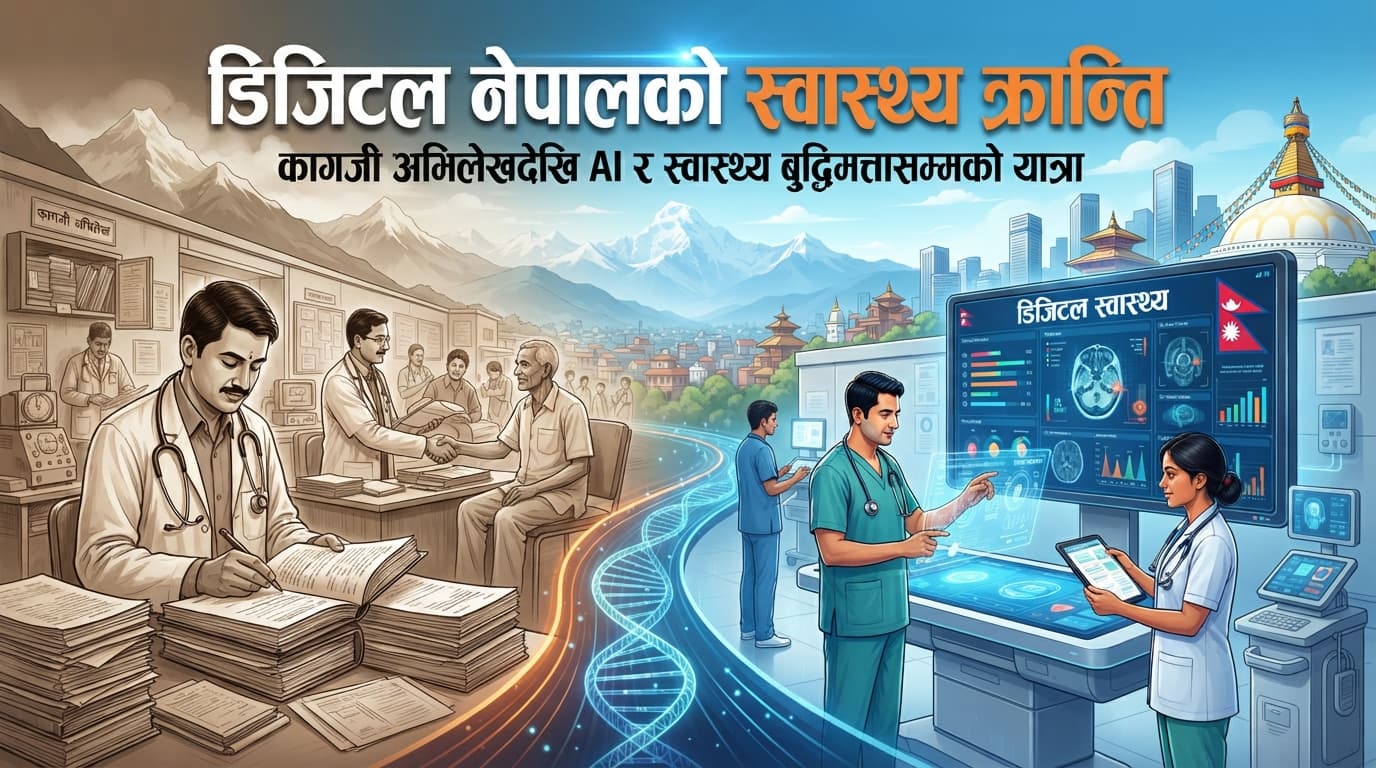
डिजिटल नेपालको स्वास्थ्य क्रान्ति: कागजी अभिलेखदेखि AI र स्वास्थ्य बुद्धिमत्तासम्मको यात्रा
कार्यकारी सारांश : नेपालको स्वास्थ्य क्षेत्रमा स्वास्थ्य व्यवस्थापन सूचना प्रणाली (HMIS) केवल एउटा प्रशासनिक वा प्राविधिक औजार मात्र नभई प्रमाणमा आधारित स्वास्थ्य सुशासन (Evidence-based Health)
Latest from Medicine and Research
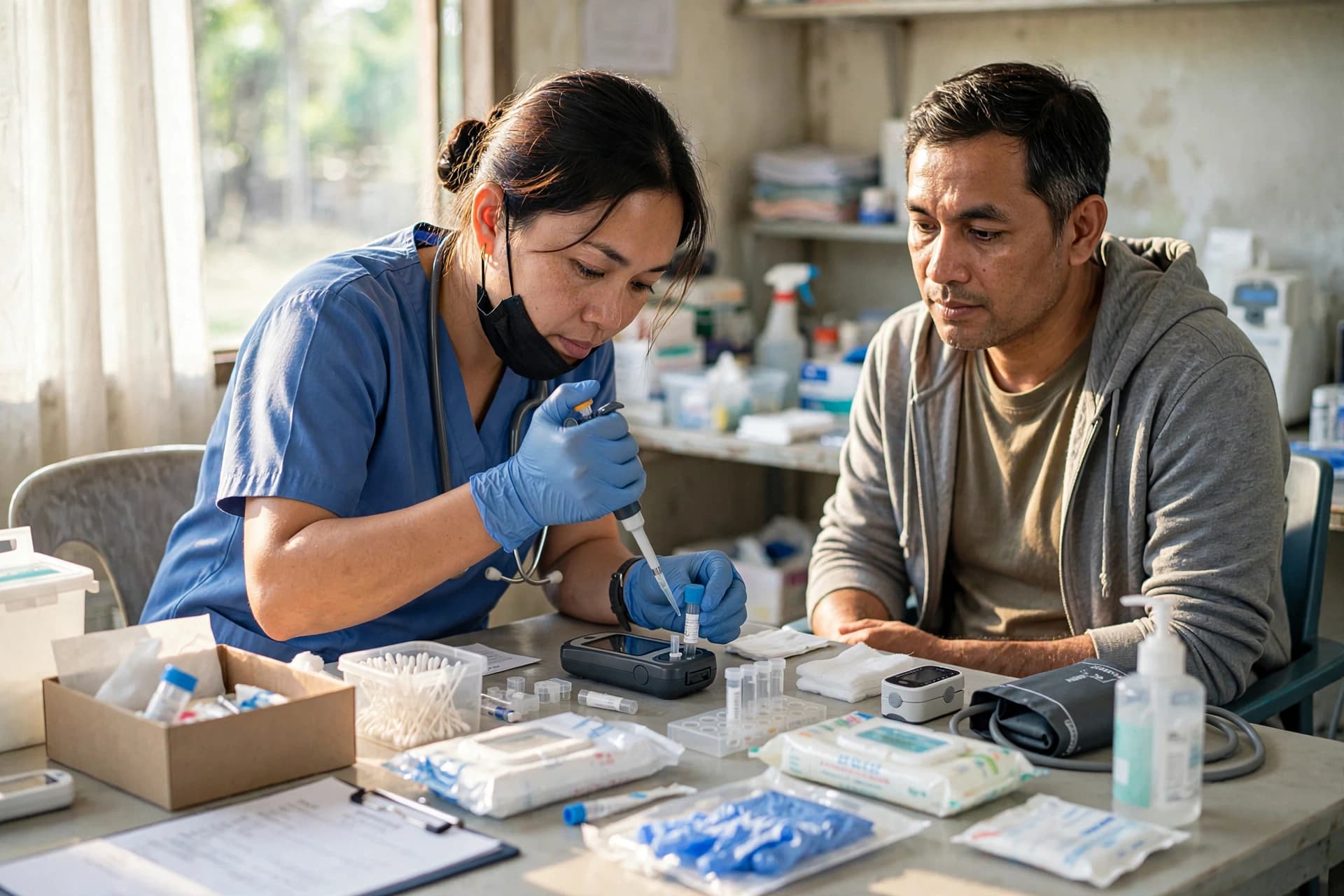
Hold the line: Fulfil the 2027 #EndTB commitments without shifting goalposts
Ending tuberculosis (TB) requires early and accurate diagnosis for every person tested. Experts warn that delaying the global shift from outdated microscopy to WHO-recommended molecular tests could leave millions undiagnosed and allow TB transmission to continue. With 2027 commitments already endorsed by world leaders, they urge faster action to ensure no one is missed

MetaGeneMiner and the High Stakes Search for Antibiotic Resistance
MetaGeneMiner: Rapid Genomic Diagnosis for Critical Care • The Challenge: Traditional antibiotic susceptibility testing is too slow for the ICU, often taking days to identify resistant "superbugs" while patients decline. • The Innovation: Researchers at Sichuan University developed MetaGeneMiner, a tool that uses a mathematical "k-mer" shortcut to extract specific resistance genes from complex DNA samples in hours. • Performance: Validated on ICU patients with A. baumannii and HSV-1, the software finished analyses in roughly two hours, nearly four times faster than standard digital mapping methods.

Frontline Perspectives on Nursing Leadership in Nepal
Behind every child in a hospital bed is a nurse, and behind every nurse is a leader. A new 2026 study at Kanti Children’s Hospital reveals that while 58% of nurses view their ward in-charges positively, a massive 40% see them as merely "fair." In the high-stakes world of pediatric care, this highlights a critical gap between functional management and truly inspiring leadership.

Protecting the Smallest Lungs from the Hidden Grip of RSV in Kathmandu
In the crowded pediatric wards of Kathmandu, a raspy breath is a parent's worst fear. A new 2026 study reveals that nearly 1 in 5 children hospitalized for respiratory distress are fighting the Respiratory Syncytial Virus (RSV), with infants under one year bearing the heaviest viral burden. As global RSV vaccines near reality, this local data is the critical missing piece to protect Nepal's most vulnerable children and end the guessing game of respiratory care.
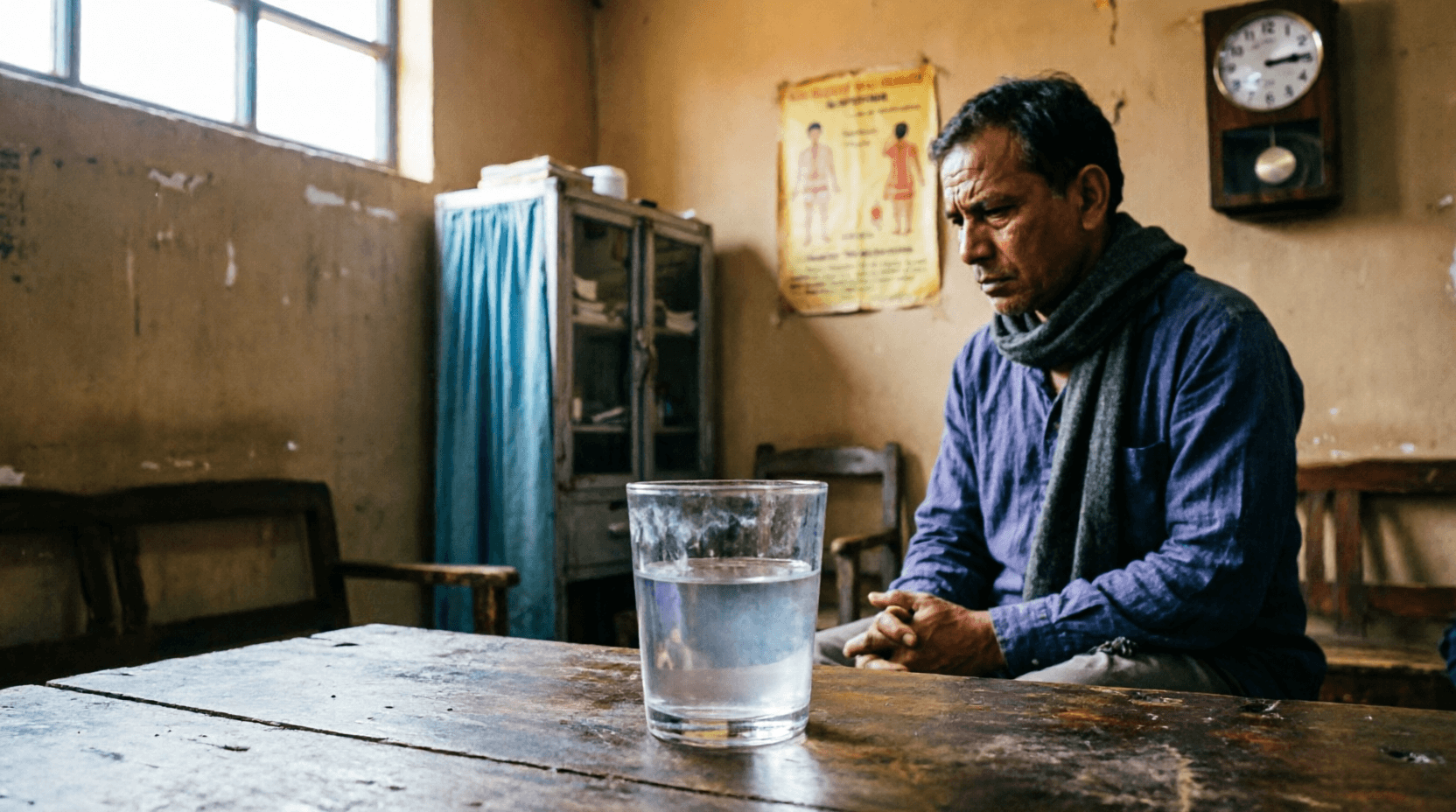
The South Asian Trap: Why Alcohol Hits Nepal Harder
A 2026 study at Nepalgunj Medical College reveals a silent epidemic of alcoholic liver disease (ALD) in Nepal, with a 14% mortality rate among 384 hospitalized patients. The research found that South Asians are genetically more susceptible to liver damage, developing ALD with less alcohol consumption than Western populations. While men in their 40s comprised 80% of cases, women faced higher death rates (17.7% vs. 13.1%). With over 77% of patients presenting with jaundice and hepatic encephalopathy causing 81% of deaths, researchers urge immediate public health interventions, including routine screening and early detection programs, to address this preventable crisis.

The Heavy Burden of Bullying on Student Wellbeing in Nepal
A groundbreaking study of 411 secondary students in Nepal found that over half experience moderate to high levels of bullying, primarily through teasing, exclusion, and rumours. Nearly 25% of students show significant anxiety and depression symptoms, with a strong link between victimization and mental health struggles. While the direct impact on grades is modest, researchers warn that bullying creates emotional distress that indirectly undermines learning. The study calls for urgent implementation of reporting systems, teacher training, and basic counselling services in Nepal's resource-limited community schools.
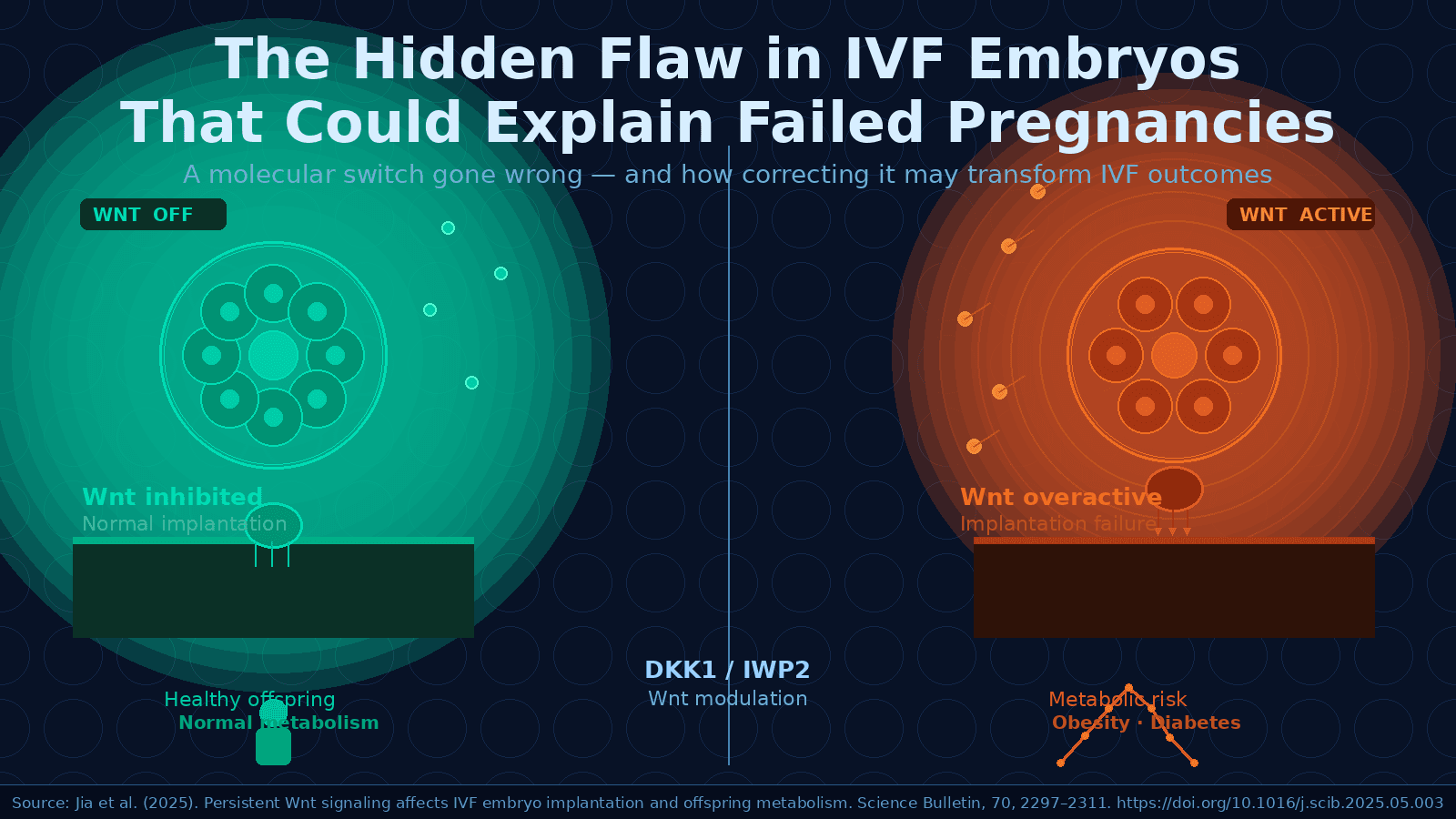
The Hidden Flaw in IVF Embryos That Could Explain Decades of Failed Pregnancies
A molecular flaw hidden inside IVF embryos present from the very first hours after fertilization may explain decades of unexplained implantation failures and health risks in IVF-conceived children. New research from Tongji University identifies a signalling pathway called Wnt that runs persistently out of control in IVF embryos, locking them in a developmental state that prevents successful implantation. Remarkably, a six-hour chemical intervention at the blastocyst stage was enough to correct the flaw, improve implantation rates, normalize birth weights, and protect offspring from obesity and diabetes in adulthood. The findings open a concrete path toward better embryo culture protocols and potentially, better outcomes for the millions of families who turn to IVF each year.
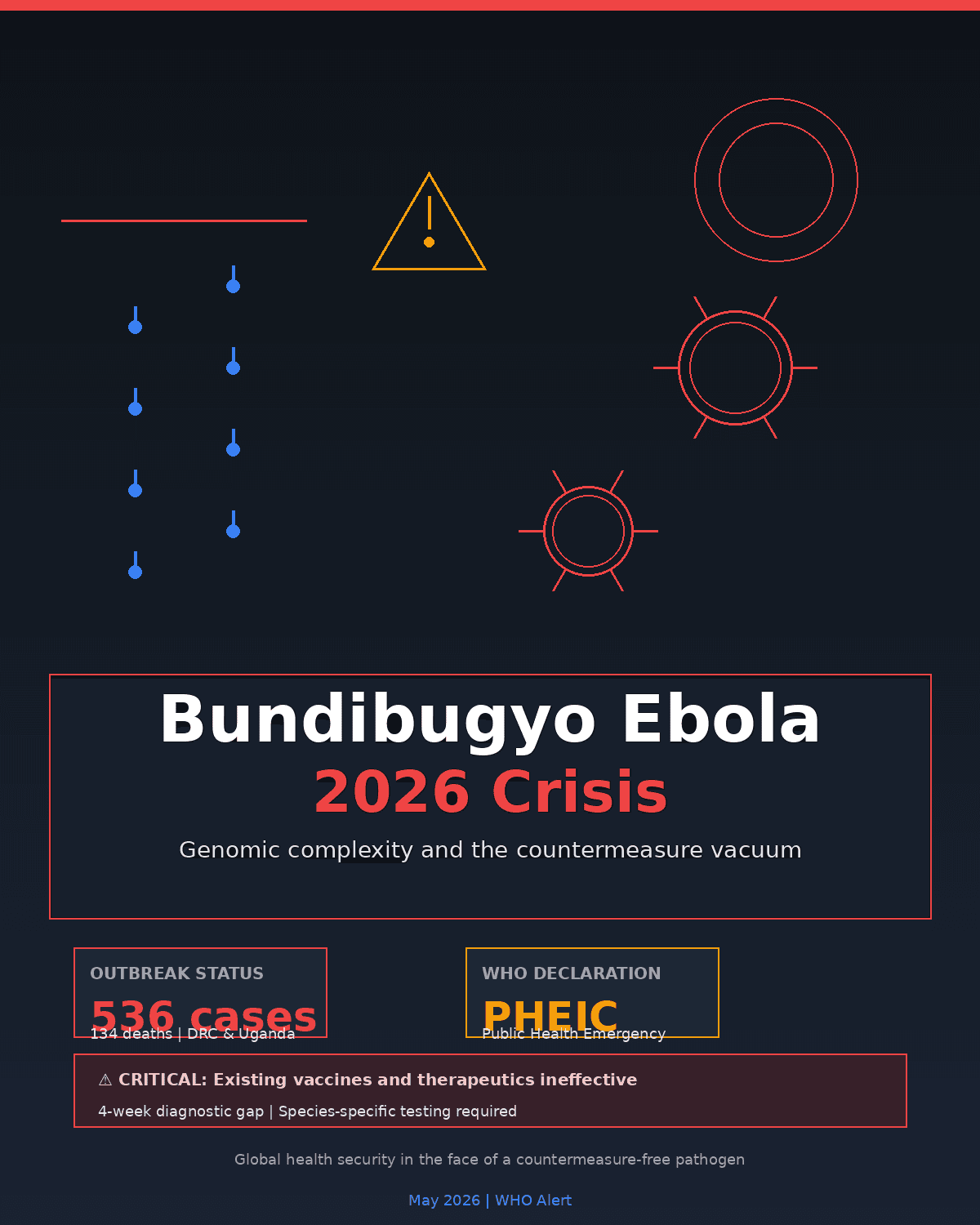
Beyond the Zaire Paradigm: Genomic Complexity and the 2026 Bundibugyo Ebola Crisis
WHO declares rare Bundibugyo Ebola outbreak a global health emergency. 536 suspected cases, 134 deaths in DRC/Uganda. Existing vaccines ineffective; the diagnostic gap delays detection by 4 weeks.
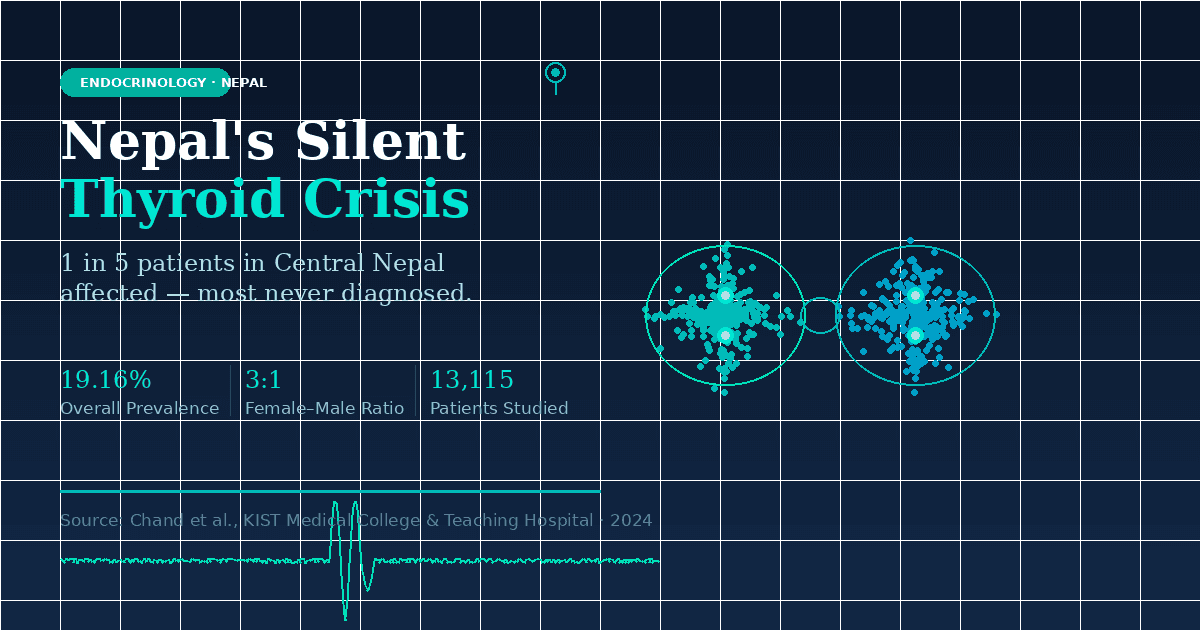
The Emerging Landscape of Thyroid Health in Central Nepal
Nearly 1 in 5 patients in Central Nepal has a thyroid disorder, mostly subclinical hypothyroidism that goes undiagnosed. Women are 3× more at risk. Experts now call for routine screening as iodine deficiency gives way to autoimmune thyroid disease.

How a Recent Western Nepal Study is Redefining Anemia Diagnosis
A study at Nepalgunj Medical College found that nearly 1 in 5 patients diagnosed with iron-deficiency anemia actually carry an inherited blood disorder. Using advanced HPLC testing, researchers identified β-thalassemia and sickle cell traits being routinely missed with major implications for reproductive health and the next generation.

How H. Pylori is Impacting the Health of Karnali’s High-Altitude Communities
This study, conducted in Jumla, Karnali Province (altitude 2,500–3,500 m) reveals a high H. pylori infection rate of 86.7% among adult patients suffering from persistent indigestion. The research highlights how high-altitude hypoxic stress may weaken the stomach's natural defences, making residents significantly more vulnerable to peptic ulcer disease, particularly in the duodenal bulb

The Global Race for Hantavirus Immunity
A global push to develop the first licensed hantavirus vaccine has accelerated after the deadly 2026 Andes virus outbreak on the MV Hondius. Advances in structural biology, mRNA engineering, DNA platforms, and freezer‑free stabilization technologies are reshaping vaccine development. Despite scientific momentum, limited commercial incentives and biological challenges continue to delay progress. With climate change driving more frequent outbreaks, coordinated global efforts like CEPI’s 100 Days Mission aim to transform future hantavirus events from crises into manageable public‑health responses.

Understanding Hantavirus and Nepal’s Preparedness
A deadly Hantavirus outbreak on the MV Hondius cruise ship in May 2026 reignited global concern about this rodent‑borne virus, a threat that already affects Nepal. Hantaviruses, carried by rats, mice, and voles, spread when virus‑contaminated dust becomes airborne. In Asia, they cause Hemorrhagic Fever with Renal Syndrome (HFRS); in the Americas, the far deadlier Hantavirus Pulmonary Syndrome (HPS).

Sweet Poison, Bitter Reality: The Unseen Diabetes Epidemic Among Nepal’s Youth
Traditional myths of "Sugar" being a disease of the wealthy elderly are being shattered in the hallways of BPKIHS. New research reveals a frightening reality: diabetes is increasingly striking Nepal’s youth and children, often remaining undiagnosed until life-threatening emergencies strike.

How Missing Checklists and Protocols are Costing Lives in Nepal’s ERs
New research reveals a dangerous divide in Nepal’s healthcare system, where government hospitals serving the most vulnerable score lowest in trauma preparedness. With road accidents and falls claiming lives at nearly double the global average, the study highlights a critical need for low-cost solutions like standardized checklists and a coordinated national ambulance system to save lives during the "golden hour."
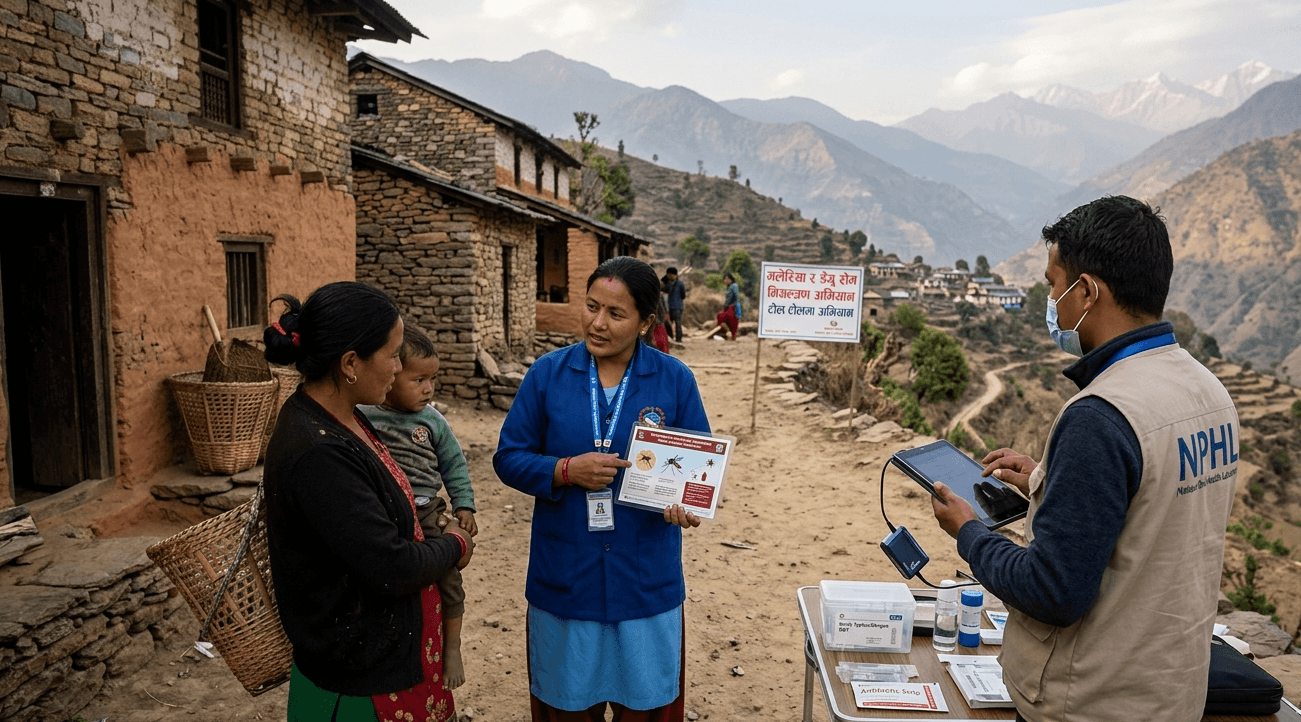
High-Priority Pathogens in Nepal
I. National AMR Snapshot (2024–2028) Strategic Context: Under the National Action Plan, Nepal is moving toward genomic surveillance (SPEED project) and real-time digital reporting (SORMAS/EWARS). Clinical Priority (ESKAPE Group): * Acinetobacter spp.: 72% MDR (High ICU risk)K. pneumoniae: 56% MDR (Carbapenem-resistance rising). E. coli: 51% MDR (45.6% presumptive ESBL-producers).
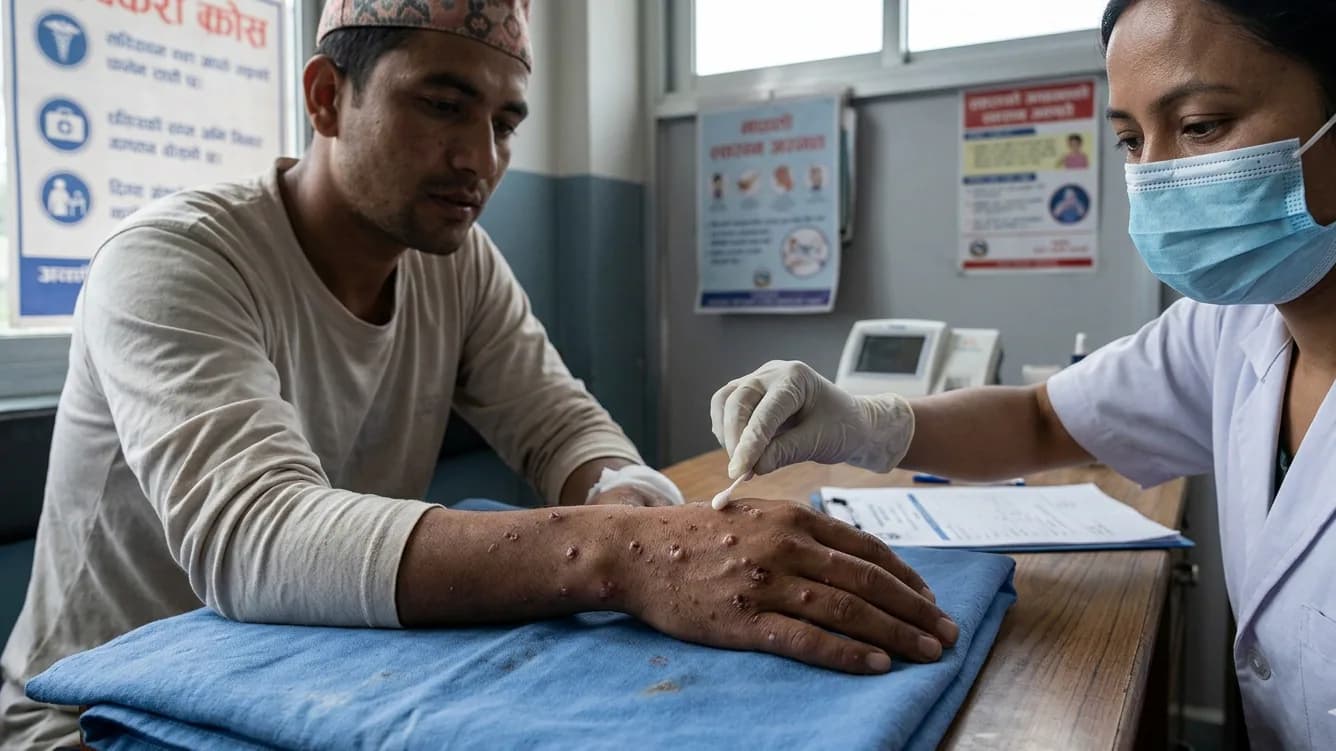
Mpox in South Asia
This review examines the epidemiology, regional vulnerabilities, and public health responses to Mpox in South Asia following the 2024 PHEIC declaration. It highlights transmission risks associated with global travel and labor migration, assesses regional readiness across India, Pakistan, Sri Lanka, and Nepal, and outlines current clinical management alongside critical advancements in localized vaccine manufacturing.
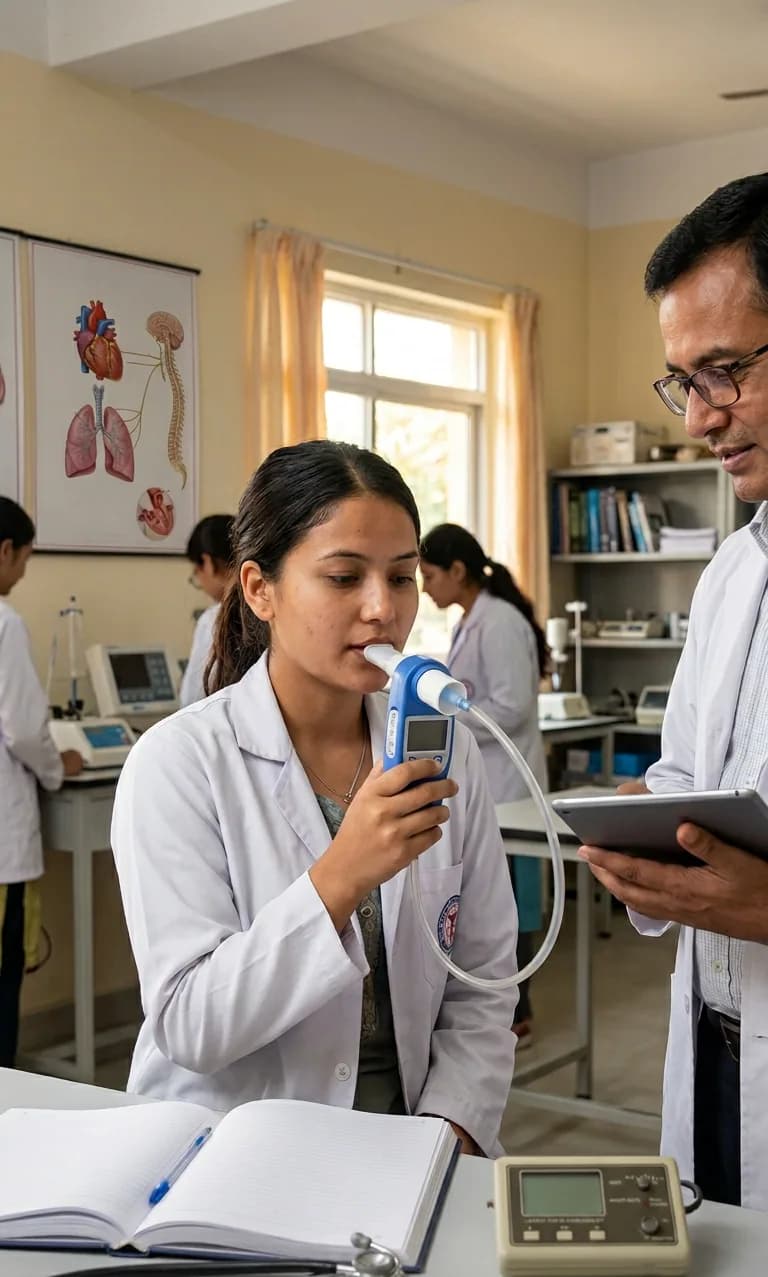
Why Your Lungs May Hold the Secret to Your Stress Levels
Monitoring lung function via simple spirometry could serve as a non-invasive early warning system for burnout in high-pressure environments. The study suggests that "paced breathing" isn't just a relaxation technique—it is a physiological tool to recalibrate a struggling nervous system.
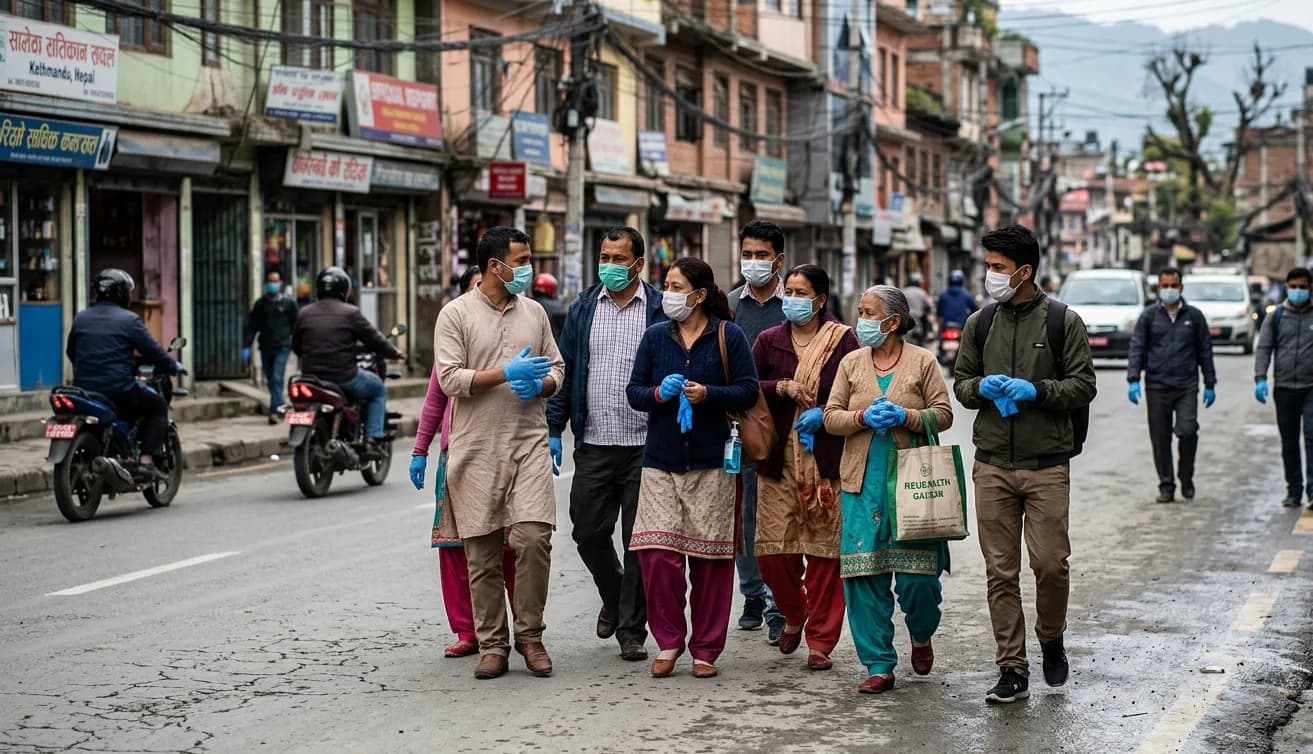
The "Cicada" Variant: A Mutant Legacy Emerges from the Shadows
The "Cicada" variant (BA.3.2) marks a significant shift in the pandemic landscape of 2026, emerging as an "undead" lineage that evolved secretly from the 2022 BA.3 branch. With an unprecedented 70–75 mutations in its spike protein, it represents the largest genetic leap since the original Omicron, driving a high degree of immune escape against current vaccines and prior infections. While it remains a minority strain in the U.S. (under 1% of cases), it has been detected in at least 25 states primarily through wastewater surveillance, which has become the vital "early warning" system as clinical testing declines. This biological evolution coincides with a major policy pivot under HHS Secretary RFK Jr., where COVID-19 vaccines transitioned from emergency use to traditional marketing authorizations, narrowing official FDA approval to adults 65 and older or those at high risk. As the virus persists, 2026 data also reveals distinct Long COVID patterns, with women reporting higher rates of neurological symptoms like brain fog, while men and minority populations experience more frequent respiratory and cardiac complications.

Artificial intelligence helping healthcare experts find more TB and other diseases in Thai hospitals
Thailand currently misses approximately 1 in 5 tuberculosis cases, a gap that AI-powered screening tools like Genki AI are now helping to close by detecting abnormalities invisible to the human eye. To meet 2030 targets, the country is rapidly replacing traditional microscopy with advanced molecular testing, already reaching a 69% adoption rate that significantly outpaces regional and global averages. By integrating these technologies into aging health infrastructure, Thailand is improving both the speed and accuracy of diagnoses to ensure high-risk populations are no longer left behind.

Walking in Fear: Why Nepal’s Streets Aren't Safe and the Race to Stop a "Hidden Killer"
Treatment Barriers: A "Kathmandu Only" Reality? While the government provides free anti-rabies vaccines in 54 hospitals, life-saving Rabies Immunoglobulin (RIG) is almost exclusively found in the capital. For rural victims, the high cost of travel and lost wages often leads to "non-compliance," where they stop treatment before the full course is finished, leaving them at risk of death

How Organs-on-a-Chip and Bioprinting are Redefining Human Medicine
Organs-on-a-Chip: The Future of Drug Discovery and Personalized Medicine Animal models fail nearly 90% of the time in predicting human drug responses. A new wave of microfluidics, bioprinting, and stem‑cell engineering is transforming biomedical research. From lung‑on‑a‑chip to vascularized kidney organoids and patient‑specific iPSC models, micro‑physiological systems are reshaping toxicology, pharmacology, and regenerative medicine. This article explores the breakthroughs driving this shift — and what it means for the future of human‑relevant science.

Why Poor Living and Working Conditions are Shattering the Mental Health of Nepali Workers
A new study exposes the invisible cost of migration: soaring depression and anxiety linked to poor living and working conditions abroad.

Silent Suffering: Why Nepal’s Doctors and Nurses Are Not Reporting Child Abuse
Silent Suffering: The Reporting Gap in Nepal A 2026 landmark study reveals a startling disconnect in Nepal’s healthcare system: while over 56% of doctors and nurses possess high knowledge of child abuse, only 13.5% have ever reported a suspected case. Facing a "confidence crisis" and a lack of formal training, our frontline protectors are staying silent. Discover the systemic changes needed to turn medical knowledge into life-saving action.

New Study Highlights Metabolism Risks in Combination Antidepressant Therapy in Nepal
A Dhulikhel Hospital study finds that combining antidepressants reduces insomnia but sharply increases metabolic side effects like weight gain and appetite changes, underscoring the need for stronger monitoring in Nepal.

New Study Reveals Hidden Environmental Drivers Behind Nepal’s Ongoing Cholera Battle
Nepal has nearly eliminated open defecation, but a new 10‑year study warns that worsening water scarcity and declining handwashing access are now driving cholera risk. After a major 2021 outbreak, researchers say climate‑driven droughts and floods, limited safe drinking water, and gaps in basic hygiene are undermining progress. They argue that Nepal’s cholera strategy must shift from toilet construction to ensuring reliable clean water and handwashing for every household.

The Silent Pandemic: Kathmandu’s Poultry Industry Is Breeding Untreatable Superbugs
Nepal’s Poultry Industry Faces a Colistin-Resistant Crisis New studies reveal that every E. coli sample from Kathmandu poultry farms is resistant to colistin—our last-resort antibiotic. With 90% of bacteria now multi-drug resistant, experts warn: without urgent reform, we risk entering a post-antibiotic era.

The Silent Emergency: Domestic Violence and the Mental Health Crisis Among Nepalese Women
1. Domestic violence is driving a hidden mental‑health emergency among Nepalese women. Emotional abuse is the strongest predictor of harm, making women 3.38× more likely to develop moderate–severe depression. The risk multiplies with each added form of violence; women facing physical, sexual, and emotional abuse simultaneously are 6× more likely to experience deep clinical depression. 2.Suicide is tightly linked to intimate partner violence. Domestic violence accounts for 35% of suicides where a cause is known, and survivors are twice as likely to report suicidal thoughts. 3. Certain groups face disproportionate danger. Madhesh Province has the highest rates of spousal violence (37%). Women from the poorest households, marginalized castes, and those with partners who misuse alcohol face sharply elevated mental‑health risks. 4.Nepal’s mental‑health system is unable to meet the need. The country has only 0.68 psychiatrists and 0.12 clinical psychologists per 100,000 people. Meanwhile, 72% of survivors never seek help, and most who do rely on informal networks rather than trained professionals. 5.Eliminating intimate partner violence could prevent nearly a third of depression cases among women of reproductive age—making it one of Nepal’s most urgent public‑health priorities
Breaking the Black Box: How Artificial Embryos and Lab-Grown Wombs Are Unlocking the Secrets of Human Life
1. CREST: The Lab-Grown Uterine Scaffold Cell-engineered Receptive Endometrial Scaffold Technology (CREST) is a sophisticated 3D model that recreates the complex layers of the human uterus, including the surface lining and the deeper structural tissue. This platform allows scientists to watch real human embryos and lab-made "blastoids" attach and burrow into the tissue just as they would in the body. By using this model, researchers discovered that a specific molecular "handshake" called PROS1-AXL is essential for the embryo to grow successfully into the uterine wall. 2. Inducible Embryo Models (iSCBEMs) Because natural human embryos are so difficult to access, scientists created iSCBEMs, which are models built entirely from stem cells. These structures are "inducible," meaning researchers can trigger them to form critical parts of an early pregnancy, such as the yolk sac and the amniotic cavity. These models provide a highly reproducible way to study the first few weeks of life without the ethical and logistical hurdles of using donated human embryos. 3. The Hidden "Forces" of Implantation Groundbreaking research has revealed that human embryos aren't just passive—they actively pull themselves into the uterus using physical traction. By sensing the stiffness of the mother's tissue, a process called mechanosensitivity, the embryo uses tiny "grips" to anchor itself and reorganize the surrounding environment. This discovery suggests that many miscarriages might happen not because of a chemical error, but because the embryo simply couldn't exert enough physical force to burrow in. 4. "Apical-Out" Organoids: Reversing the Map For years, lab-grown uterine tissues (organoids) grew "inside-out," making it impossible for embryos to touch the surface they normally stick to. New "apical-out" models flip this structure, exposing the receptive surface to the outside so that embryos can land and attach naturally. These models even grow tiny structures called pinopodes, which act like landing pads for the embryo, making the lab environment look and act like a real womb. 5. The 28-Day Rule and Research Ethics As lab-grown embryo models become more realistic, the ESHRE Ethics Committee has proposed extending the legal research limit from 14 days to 28 days. This extension would allow scientists to study the very beginning of organ development and the early heart, which are currently "black boxes" of human science. While these models are not yet considered equivalent to "real" embryos, they offer a way to solve the mysteries of birth defects and infertility while following strict moral guidelines. 6. Solving Infertility with Personalized Models Implantation failure is a major cause of infertility, responsible for nearly 60% of early pregnancy losses. Scientists are now using these artificial models to create "patient-specific" uterine linings to test why a specific person's body might be rejecting a pregnancy. This technology could lead to new, non-hormonal contraceptives or personalized treatments that significantly improve the success rates of IVF.
Nepal’s Drug-Resistant TB Rates Hold Steady, but New Antibiotic Resistance Sparks Concern
Kathmandu, Nepal — February 15, 2026 A landmark national survey has revealed that while overall rates of drug-resistant tuberculosis (TB) in Nepal have remained stable over the last decade, a sharp rise in resistance to critical second-line antibiotics is posing a “growing concern” […]
Rare Adult Case of IgA Vasculitis in Nepal Mimics Chronic StomachIssues for a Year
Kathmandu, Nepal — February 11, 2026A recent case report published in the Annals of Medicine & Surgery has shed light on the diagnostic challenges of Immunoglobulin A vasculitis (IgAV) in adults, documenting the first known case in Nepal where the disease masqueraded as recurrent gastroenteritis for an entire […]
One in Three Pregnant Women in Pokhara Experiencing SevereStress, New Study Shows
Pokhara, Nepal — February 9, 2026A new study from Gandaki Medical College has revealed that a significant number of pregnant women in Pokhara are struggling with high levels of stress and anxiety—an issue researchers say has been largely overlooked in Nepal’s maternal health system. Published in the Nepal […]
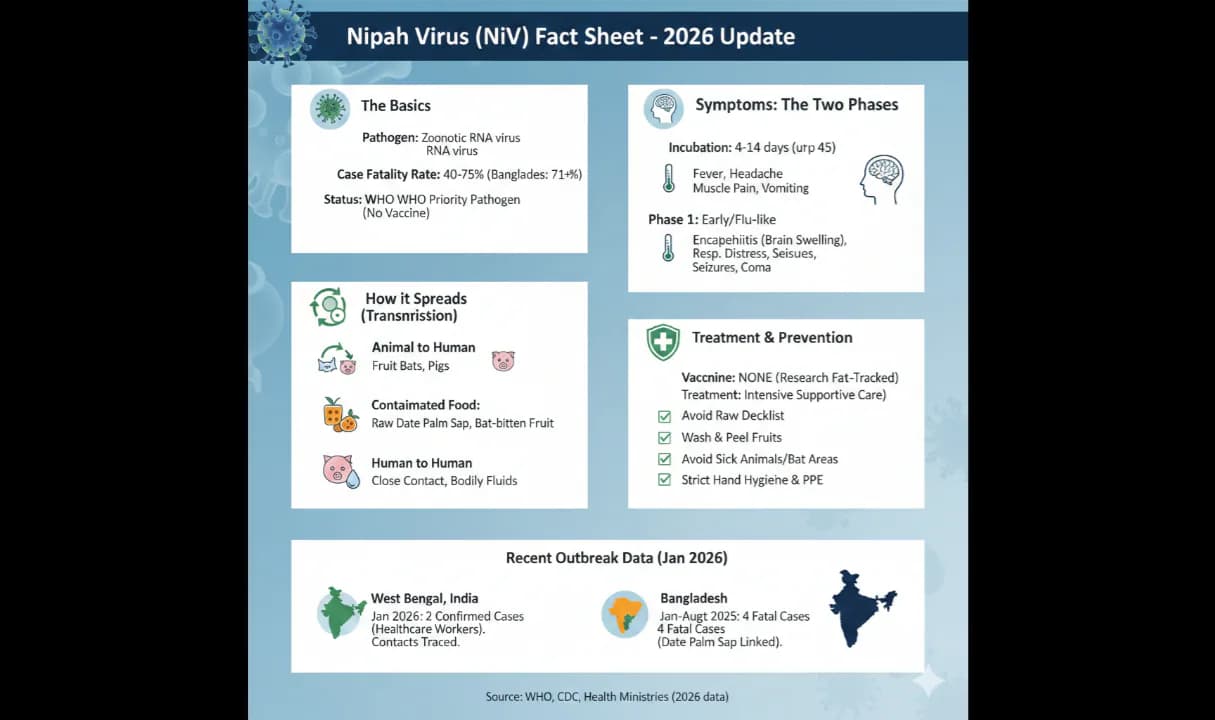
Nipah Virus: An Evolving Global Health Threat and the Path to Preparedness
Introduction The Nipah virus (NiV) represents one of the most significant viral threats to global health secur
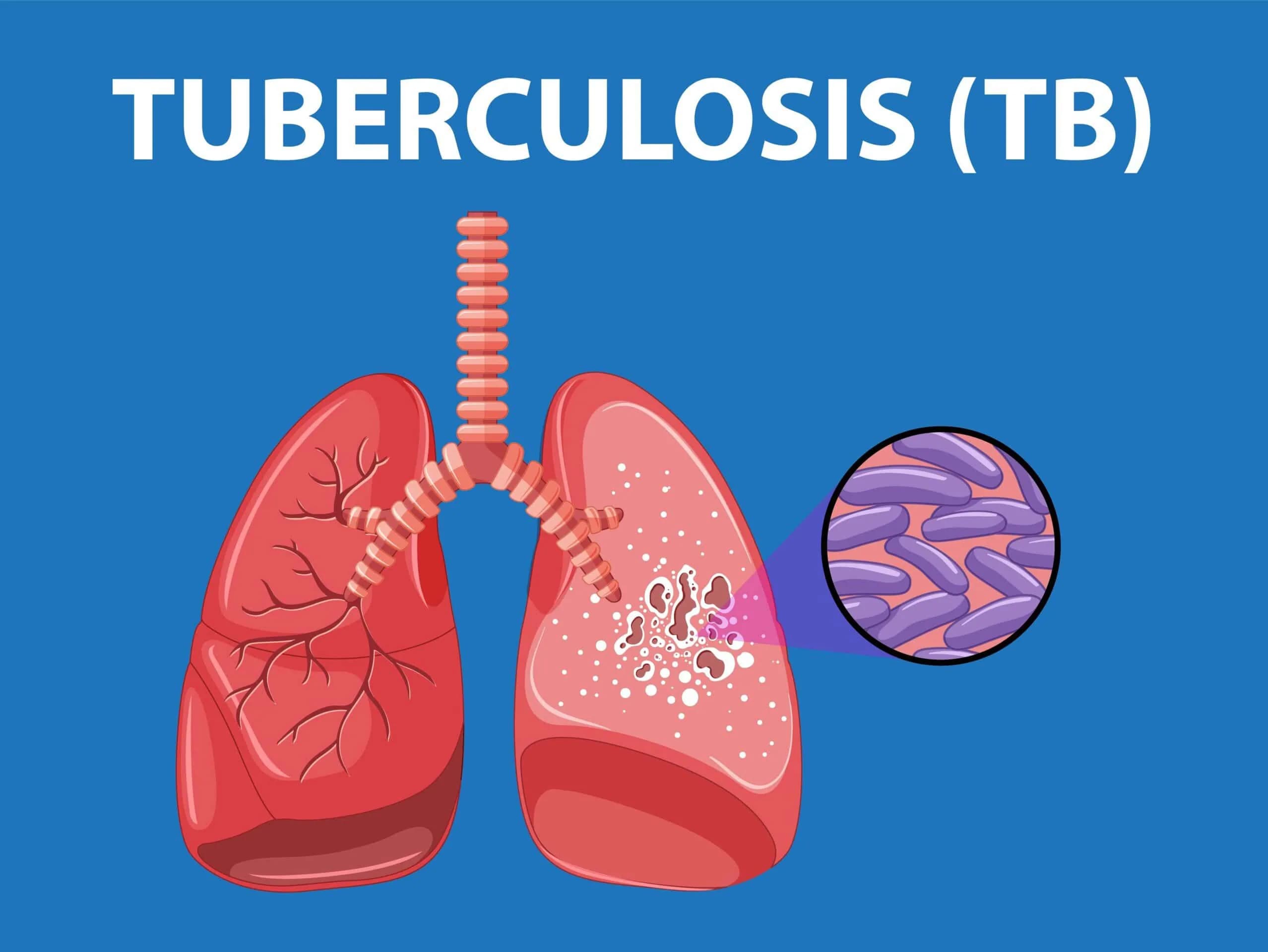
Tuberculosis: Causes, Prevention and Management
Tuberculosis (TB) is a contagious infectious disease caused by the bacterium Mycobacterium tuberculosis. It primarily affects the lungs but can also impact other parts of the body. Understanding the causes, prevention, and management of TB is essential for controlling its spread and reducing its im

Influenza: Causes, Prevention and Management
Influenza, also known as the flu, is a contagious respiratory illness caused by influenza viruses. Influenza viruses are of different types (A, B, C) and are further classified into subtypes based on their surface antigens. Influenza is a significant public health concern, causing morbidity and mor
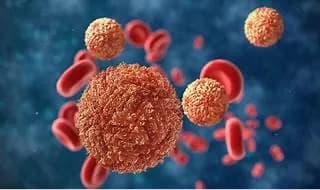
Zika virus: Causes, Prevention and Management
Zika virus is an emerging mosquito-borne viral infection that has caused serious public health concerns worldwide. The virus was first identified in 1947 in Uganda, but gained global attention during the outbreaks in 2015-2016, especially in Latin America and the Caribbean, where it was linked to s

Managing chronic diseases
Managing chronic diseases is an ongoing process that requires a combination of medication adherence, lifestyle changes, and self-management techniques. Chronic diseases, such as diabetes, heart disease, and arthritis, require long-term management to prevent complications and maintain overall health

Lifestyle changes to prevent chronic diseases
Lifestyle Changes to Prevent Chronic Diseases: Moving towards a Healthier Life Chronic diseases, such as heart disease, diabetes, and cancer, are major public health concerns worldwide. These diseases are often preventable and manageable through lifestyle changes that promote healthy living. Adopti

Wearable health technology
Title: Reliability of Wearable Health Technology: Differentiating Fact from Fiction Introduction : Wearable health technology, a flourishing domain comprising fitness trackers and smartwatches, is reshaping how individuals engage with their health. These devices, armed with features like step count

Environmental health and disease prevention
Environmental health refers to the study of how environmental factors can impact human health. These environmental factors can include air and water pollution, exposure to toxins, and even climate change. Environmental health is a crucial aspect of disease prevention and management, as it can help

Strategies for reducing the risk of infectious diseases
Infectious diseases are caused by pathogenic microorganisms such as bacteria, viruses, fungi, and parasites, and can spread from one person to another through different modes of transmission. Some infectious diseases can be prevented by taking certain precautions. Here are some strategies that can

Vaccinations
Vaccination are critical tools for preventing and managing various diseases. Vaccines work by introducing a weakened or inactive form of a virus or bacteria into the body, which triggers an immune response. This immune response allows the body to recognize and fight the virus or bacteria in the fut

Telemedicine and virtual healthcare
Telemedicine and virtual healthcare have emerged as transformative solutions in healthcare delivery, especially in recent years. With advancements in technology and the increased availability of digital platforms, telemedicine offers an innovative approach to providing remote medical services, consultation, and monitoring. This article aims to explore the effectiveness and challenges of telemedicine based on recent research […]

Health apps and digital therapeutics
In recent years, there has been a surge in health technology, particularly in the form of mobile health apps and digital therapeutics. These tools are aimed at improving healthcare outcomes by enabling patients to monitor and manage their health more effectively. In this article, we will explore the growing field of health apps and digital […]

The New Era of Patient-Centered Communication: How Shared Decision Making is Transforming Healthcare
Innovations in patient-centred communication and shared decision-making have revolutionized the healthcare landscape, emphasizing the importance of actively involving patients in their care and treatment decisions. These innovative approaches aim to improve patient outcomes, increase patient satisfaction, and enhance the overall healthcare experience. This essay explores the advancements in patient-centred communication and shared decision-making in healthcare.

Artificial intelligence and machine learning in healthcare
Title: Leveraging Artificial Intelligence and Machine Learning to Reduce Healthcare Costs Introduction: The healthcare industry has always been on the forefront of technology adoption, and Artificial Intelligence (AI) and Machine Learning (ML) are no exception. The application of AI and ML in healthcare has the potential to transform the industry by improving efficiency, accuracy, and […]

Electronic health records and patient data privacy
Title: Electronic Health Records and Patient Data Privacy: The Effective Implementation of a Secure Healthcare System Introduction: Electronic health records (EHRs) have revolutionized healthcare information management, offering numerous benefits such as improved coordination of care, enhanced clinical decision-making, and efficient data exchange. However, ensuring patient data privacy and security is crucial to maintaining trust and […]

3D printing in healthcare
The field of healthcare is one of the areas where technology has made significant advancements. One of the latest innovations in healthcare is 3D printing. 3D printing has revolutionized the healthcare industry by allowing the creation of customized, complex, and personalized medical devices, prosthetics, and implants. This essay will explore the benefits of 3D printing

Gene editing and personalized medicine
Recent developments in gene editing and personalized medicine have been revolutionizing the field of healthcare. Gene editing allows scientists to modify and edit specific genes, which has the potential to treat a variety of diseases and disorders. Personalized medicine, on the other hand, involves tailoring medical treatments to an individual unique genetic makeup. In this