KATHMANDU – Child abuse is a
heavy word that many in Nepal prefer to whisper rather than speak aloud. While
our Constitution and laws strictly ban all forms of violence against children,
the reality inside our homes and schools is often very different. A recent landmark
study has finally shed light on what our healthcare professionals—the very
people we trust to save our children—actually know and do when they see a child
in pain.
The research, titled "Assessment of the Knowledge,
Awareness and Attitudes Regarding Child Abuse and Neglect Among Healthcare
Professionals of Nepal," was published in the international journal Child
Abuse Review. The findings are a wake-up call: while our doctors and nurses
have the right heart and good knowledge, they are struggling to take the final,
necessary step of reporting abuse to the authorities.
How was the research done?
To understand the situation, a team of researchers led by
Dr. Ram Hari Chapagain conducted a "cross-sectional study" between September
and November 2024. This means they took a snapshot of the current situation
by talking to professionals across the country.
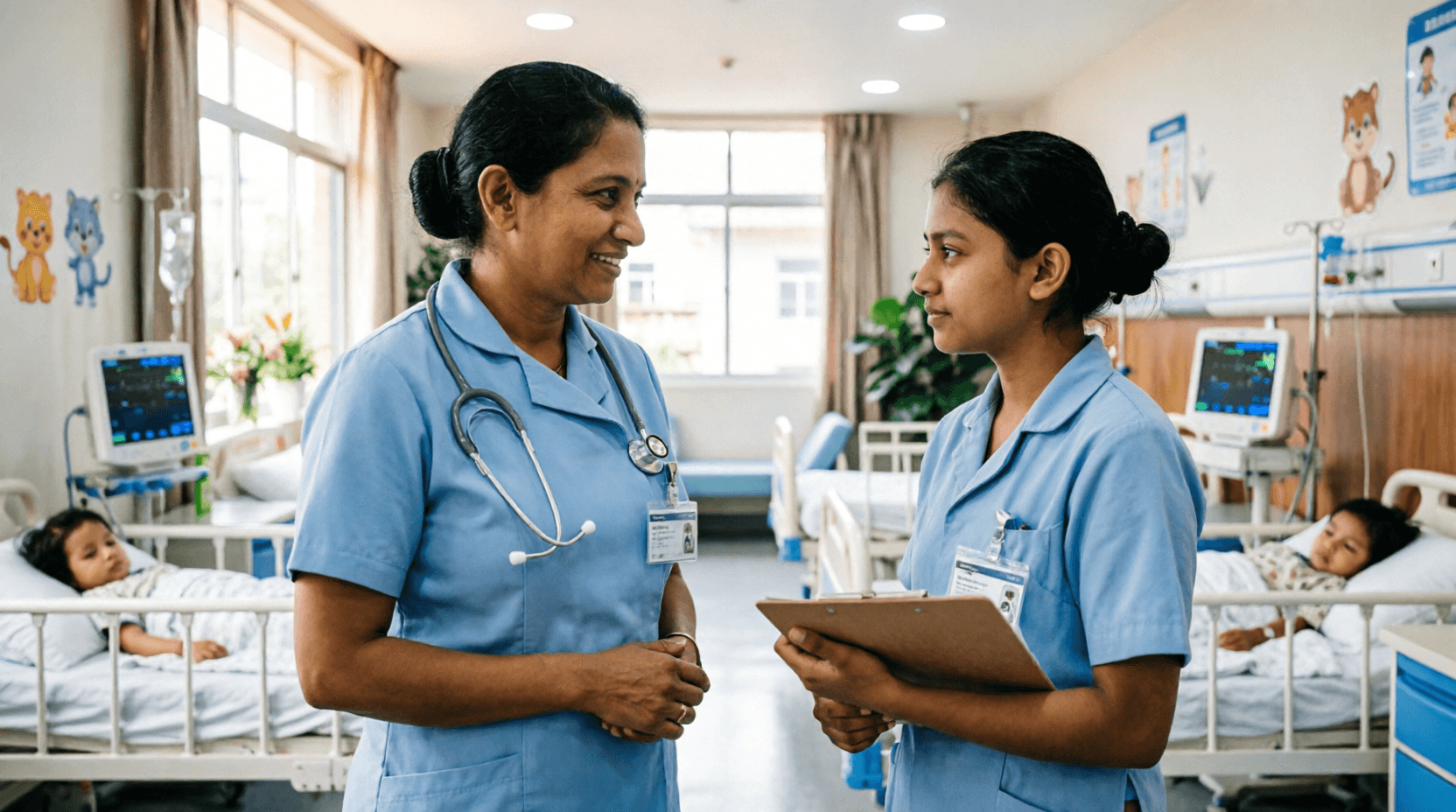
They reached out to 370 healthcare workers,
including pediatricians (child doctors), medical officers, nurses, and school
health nurses. Because it is hard to visit every hospital in Nepal, they used
the internet—sending out structured questionnaires through Google Forms,
email, and social media like Facebook and WhatsApp.
Most of the people who took part were women (71%) and
worked in large "tertiary" hospitals in cities, particularly in the Bagmati
Province. The researchers asked them about their understanding of child
rights, how to spot signs of abuse, their personal beliefs about discipline,
and whether they had ever actually filed a report for a child they suspected
was being harmed.
The findings: A gap between heart and action
The results show a confusing picture of "high
knowledge" but "low action."
1. Good Knowledge and Positive Attitudes: The
study found that 56.2% of professionals had high knowledge about child
abuse. Almost everyone (96%) knew that abusers aren't always strangers—they can
be parents, teachers, or even siblings. Even better, 87.3% held positive
attitudes toward protecting children. They strongly believe that physical
punishment, like hitting or denying food, is wrong.
2. The Confidence Crisis: Here
is where the trouble begins. Even though they know hitting is wrong, only 5.1%
of these professionals felt highly confident in their ability to recognize
the physical signs of abuse. If a doctor is not 100% sure that a bruise is from
a fall or a hit, they often stay silent.
3. The Reporting Silence: The
most shocking discovery was that only 13.5% of healthcare workers had ever
reported a suspected case of abuse. Even fewer—just 12%—had ever written it
down in a child’s medical record. This means that for every 10 children who
might be suffering, only one or two are getting the help that requires a formal
report.
Were there any gaps in the research?
While this study is very important, it did not cover
everything. Like any research, there were parts that were missed or
neglected:
- The
"City Bias": Most of the participants were from Bagmati
Province and worked in big city hospitals. We still don't know enough
about the attitudes of health workers in remote villages where children
are even more vulnerable.
- The
"Good Student" Effect: Since this was a
self-reported survey, people might have given the "correct"
answer to look good. In a real hospital room, their actions might be
different from their survey answers.
- Missing
Voices: The study only talked to health workers.
It did not include the perspectives of police, teachers, or social
workers, who are also part of the team needed to save a child.
- Lack
of Real-World Proof: The researchers did not look at
actual hospital records to see if abuse was being missed; they relied only
on what the professionals remembered.
Why does this matter?
This research matters because child abuse in Nepal is often
like an "iceberg"—we only see the tiny tip that arrives at the
hospital, while the rest remains hidden in society.
When a healthcare professional fails to report abuse, the
child is often sent back to the same dangerous home. An abused child has a 50%
chance of being hurt again and a 10% chance of dying if the abuse is
not stopped the first time they see a doctor. Abuse also leads to long-term
mental health problems like anxiety, depression, and even suicide. If
our frontline workers are too afraid or unsure to report, these children have
no way out.
The Takeaway: What can we learn?
The big lesson is that "knowledge is not
enough." Just because a doctor knows that abuse is a crime doesn't
mean they know how to handle the police or the parents.
The study found that training is the key.
Professionals who received specialized training were nearly four times more
likely to report abuse than those who had no training. Training gives them
the "bravery" and the tools to act on what they know.
Suggested Policy: The Way Forward
Based on these findings, it is clear that Nepal needs more
than just laws—we need a system that supports our health workers. Here is what
should happen:
- Mandatory
Training: The government must make "Child
Protection Training" a requirement for every doctor and nurse to keep
their license.
- Clear
Rules (SOPs): Every hospital should have a simple,
step-by-step guide (Standard Operating Procedure) on who to call and what
form to fill out when abuse is suspected.
- Hospital
Specialists: Major hospitals should have a Child
Protection Focal Point—a specific person who handles these cases so
the doctor doesn't have to feel alone in the process.
- Protection
for Reporters: We must ensure that health workers who
report abuse are legally protected from being sued or harassed by
angry families.
- Better
Tools: Use simple checklists (standardized
screening tools) during every child’s check-up to make sure signs of abuse
aren't missed.
Our children deserve to be safe, and our healthcare workers
want to protect them. Now, it is time for the government to give them the
training and the systems to turn their positive attitudes into life-saving
action.