Nepal Health News, IPAC & Research | The Health Thread
Top Stories
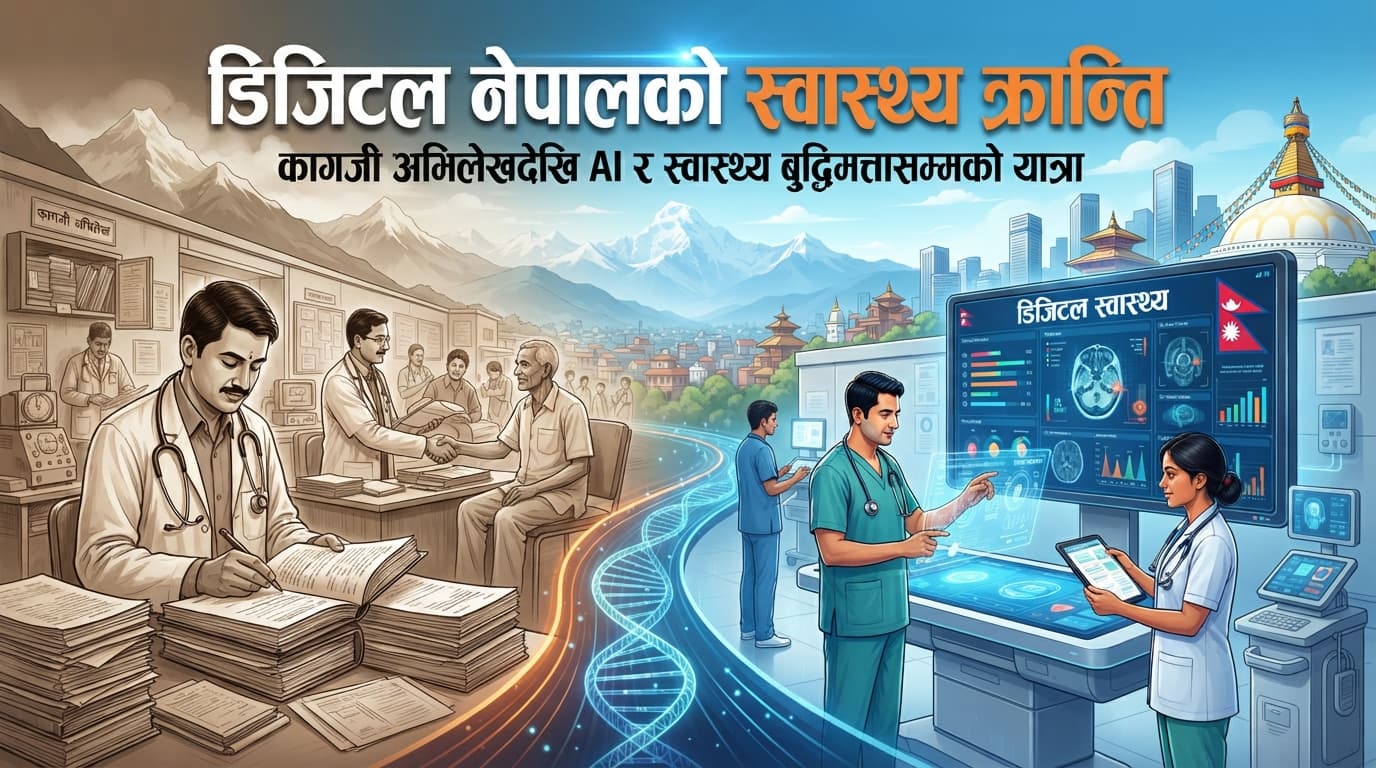
डिजिटल नेपालको स्वास्थ्य क्रान्ति: कागजी अभिलेखदेखि AI र स्वास्थ्य बुद्धिमत्तासम्मको यात्रा
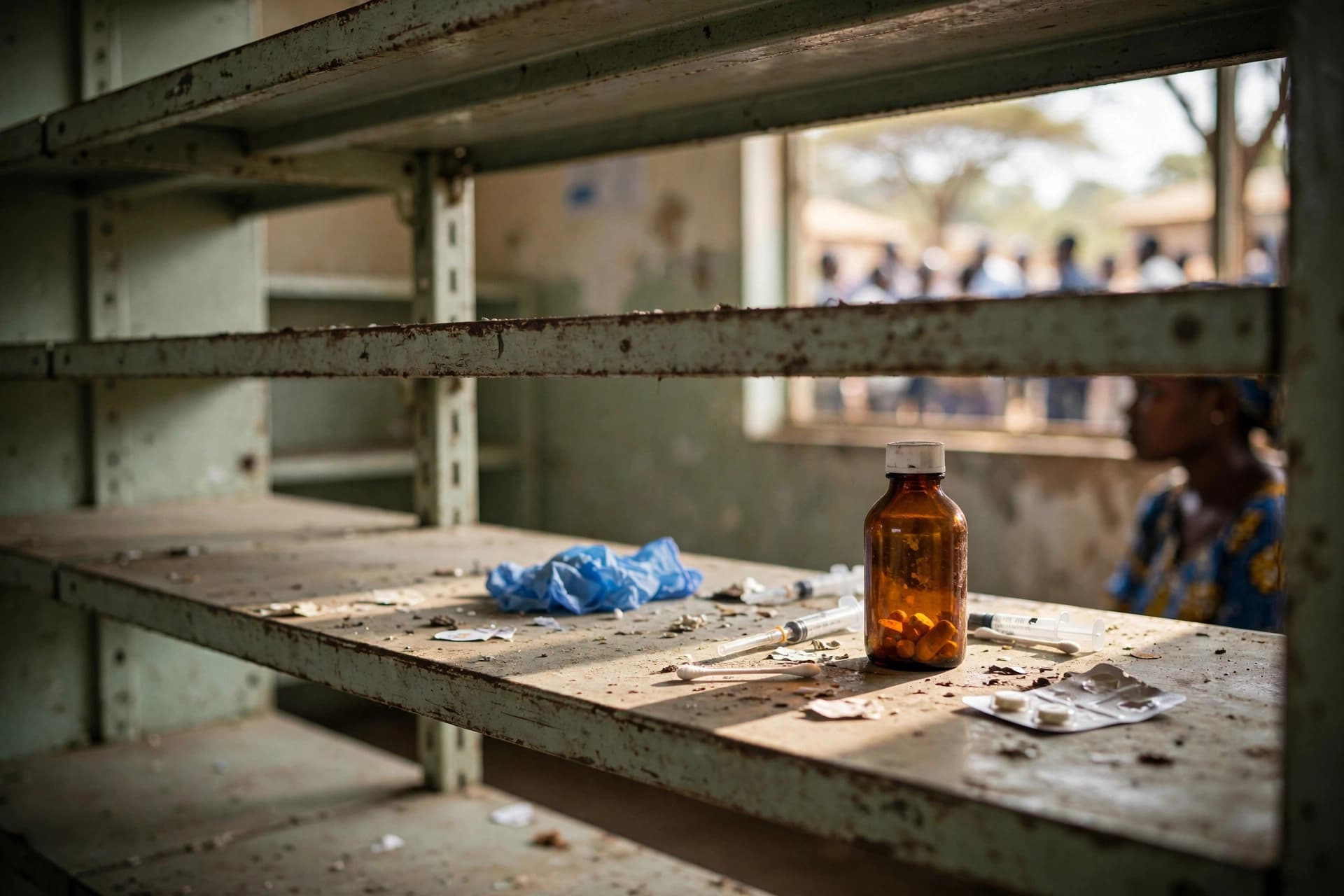
Shelves go dry, services collapse, anti-rights forces surge and deepen the crises
Communities must be financed, not just celebrated, says UNAIDS' Eamonn Murphy ahead of AIDS 2026

The Plant-Powered Nanoparticle

Hold the line: Fulfil the 2027 #EndTB commitments without shifting goalposts
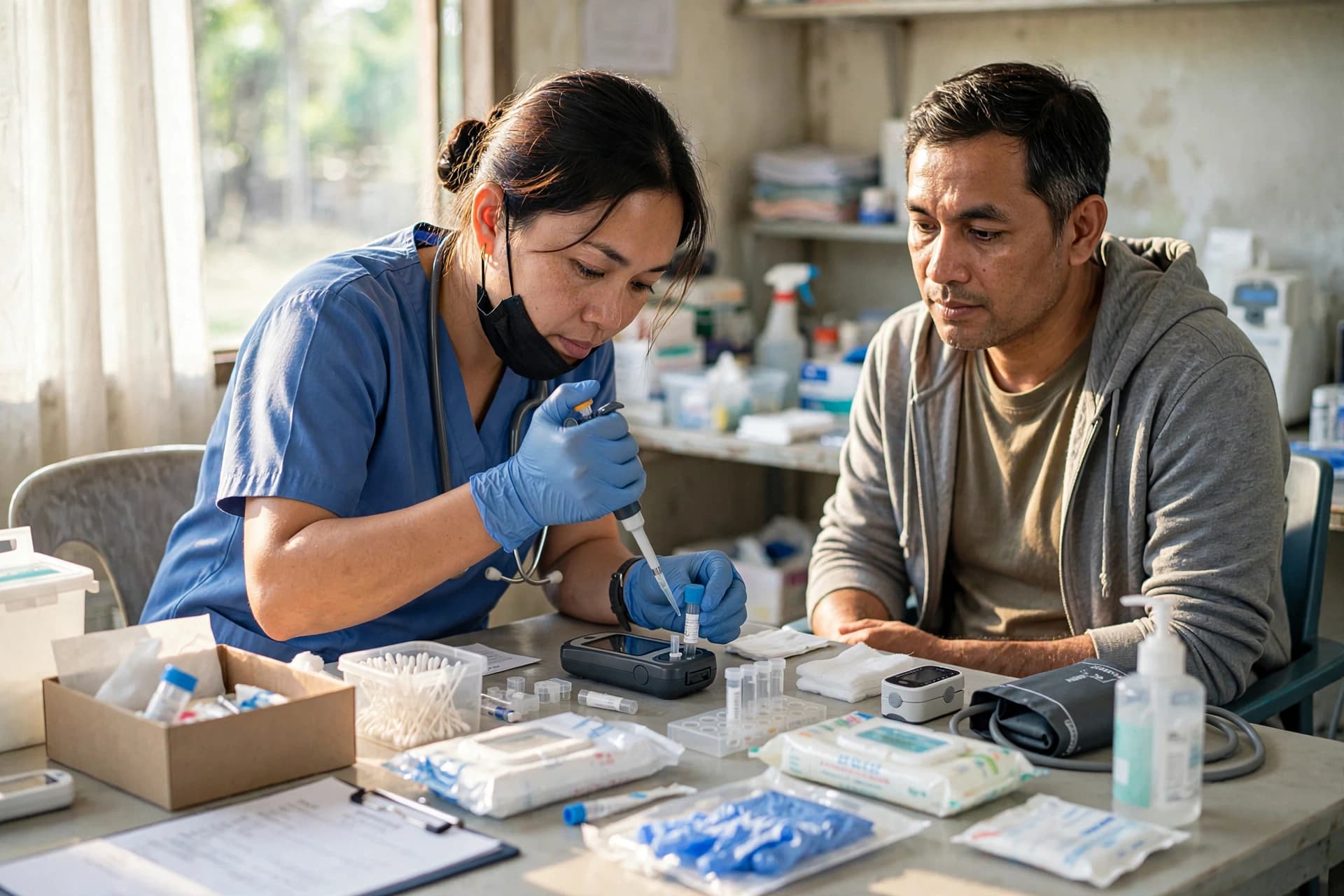
Your trusted source for Nepal health news, evidence-based IPAC guidelines, and the latest clinical research.
Research Watch
Latest Findings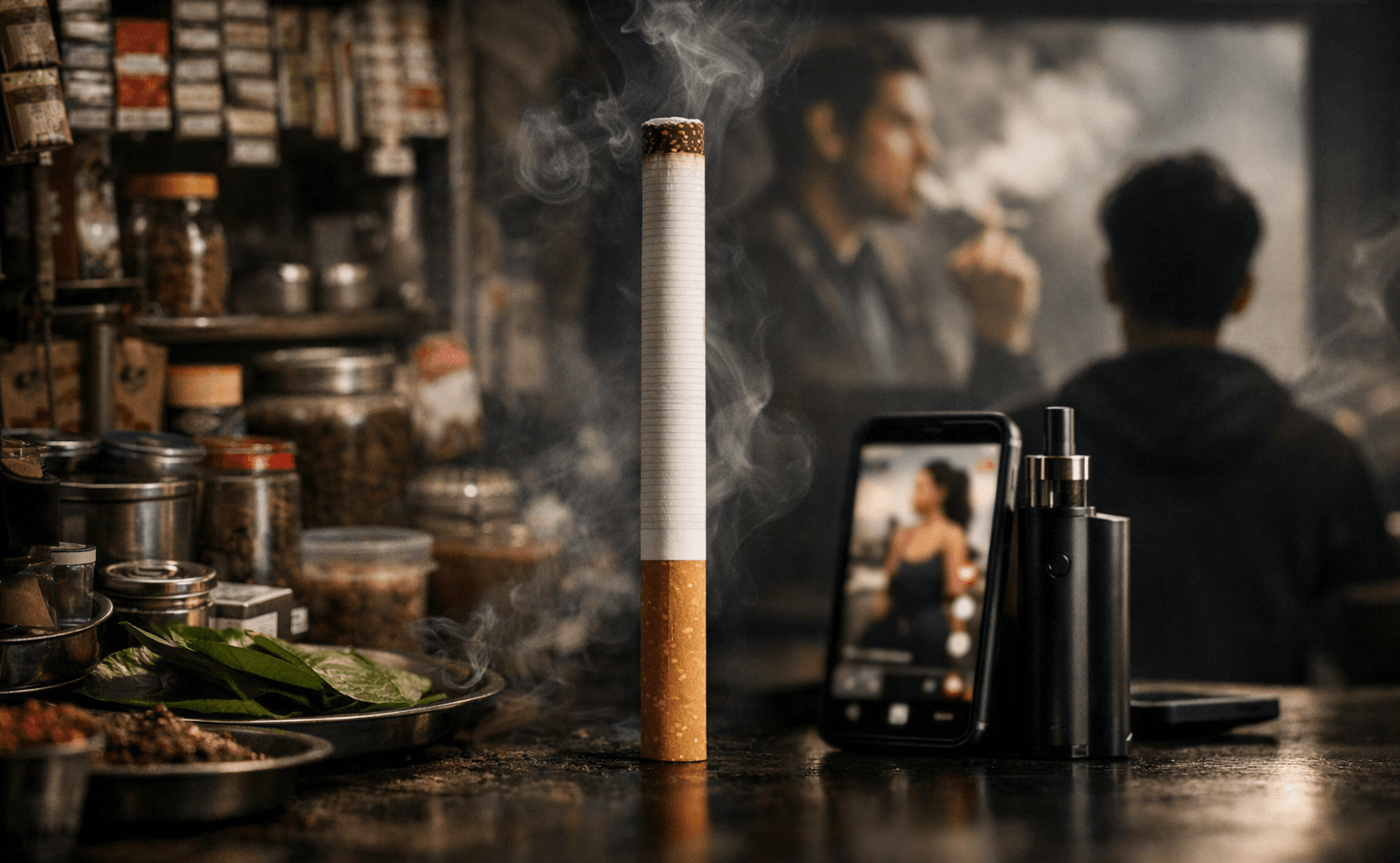
More from Research Watch
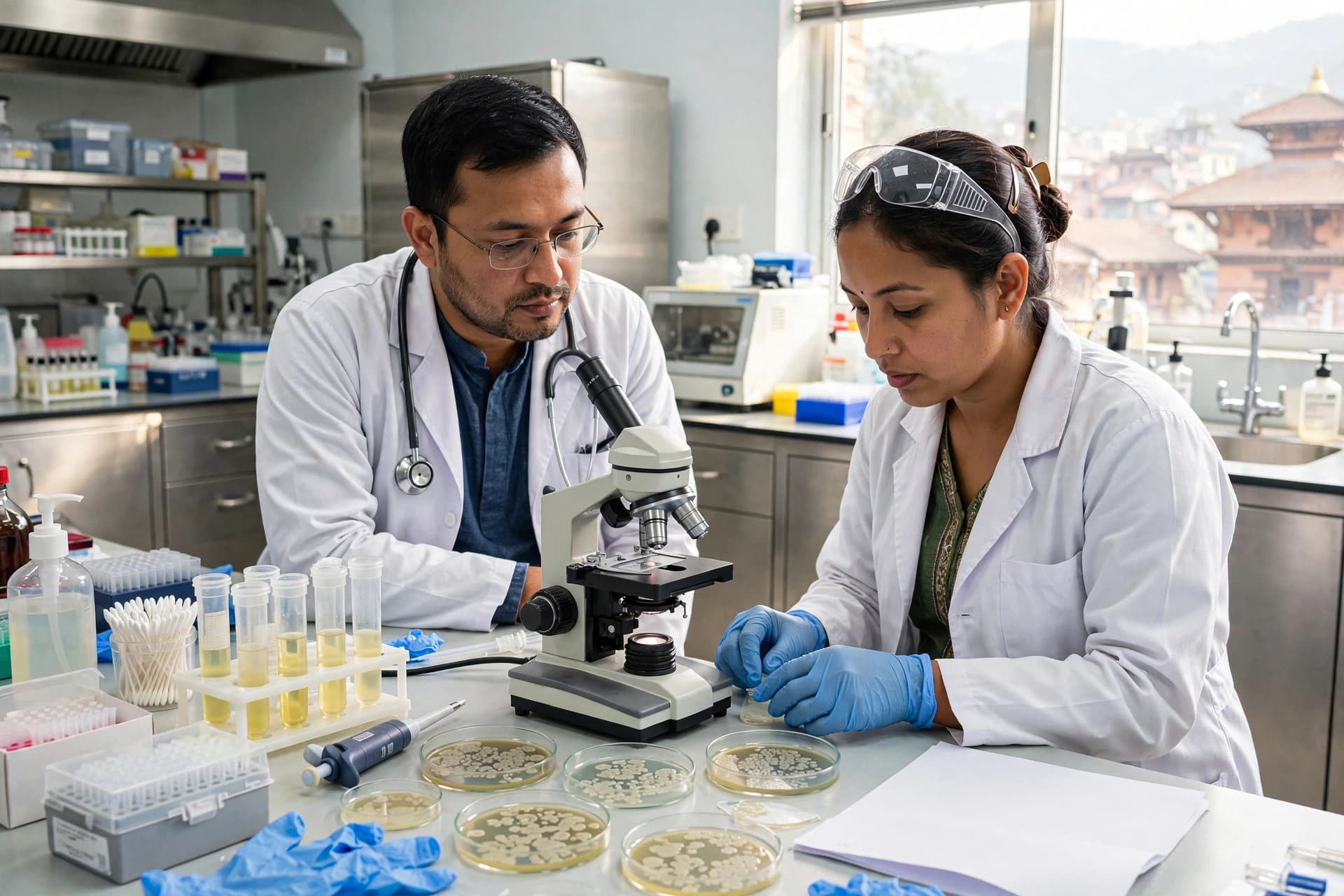
नेपालमा पिसाब नलीको संक्रमण र एन्टिबायोटिक प्रतिरोधको बढ्दो संकट
Sanjogta Thapa Magar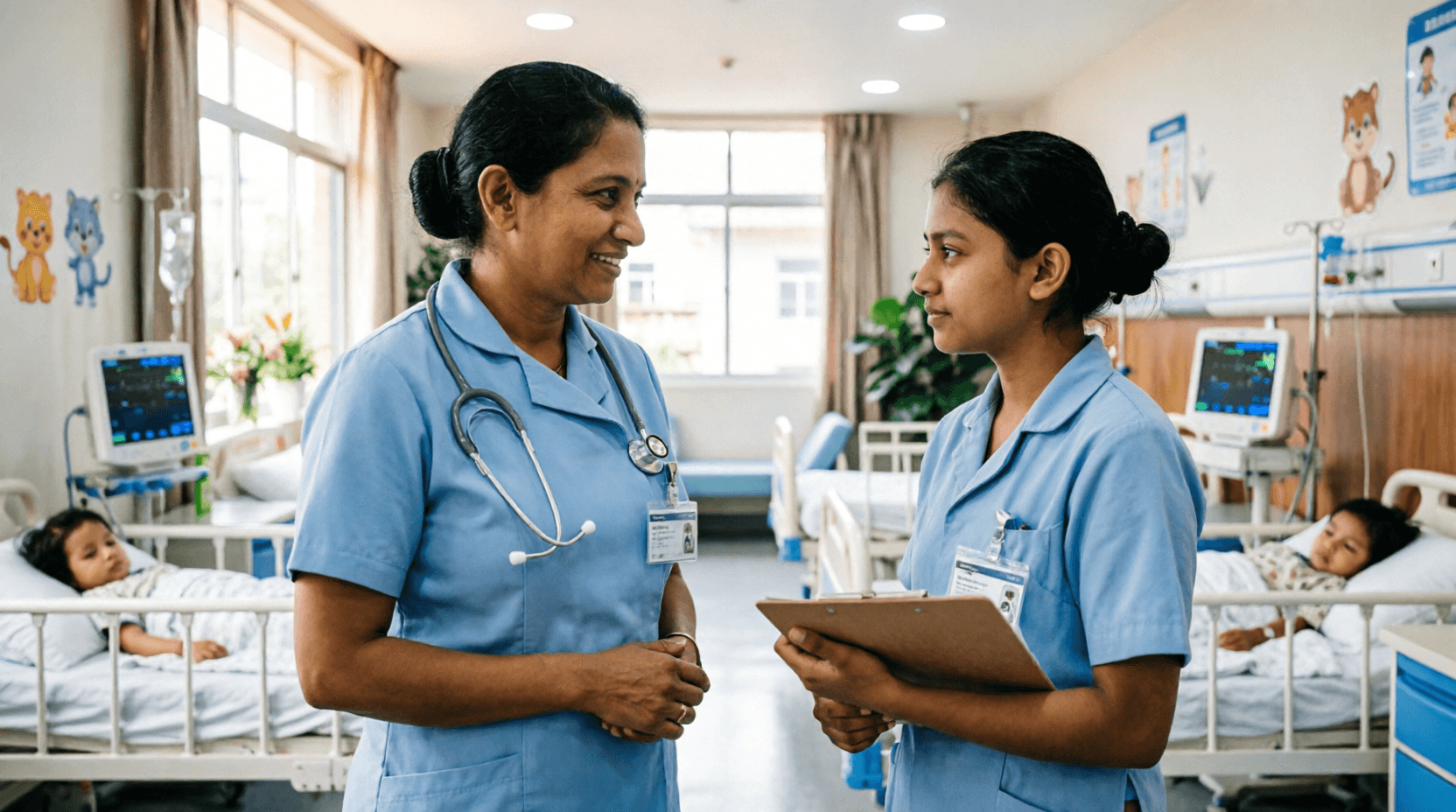
Frontline Perspectives on Nursing Leadership in Nepal
Liza Nagarkoti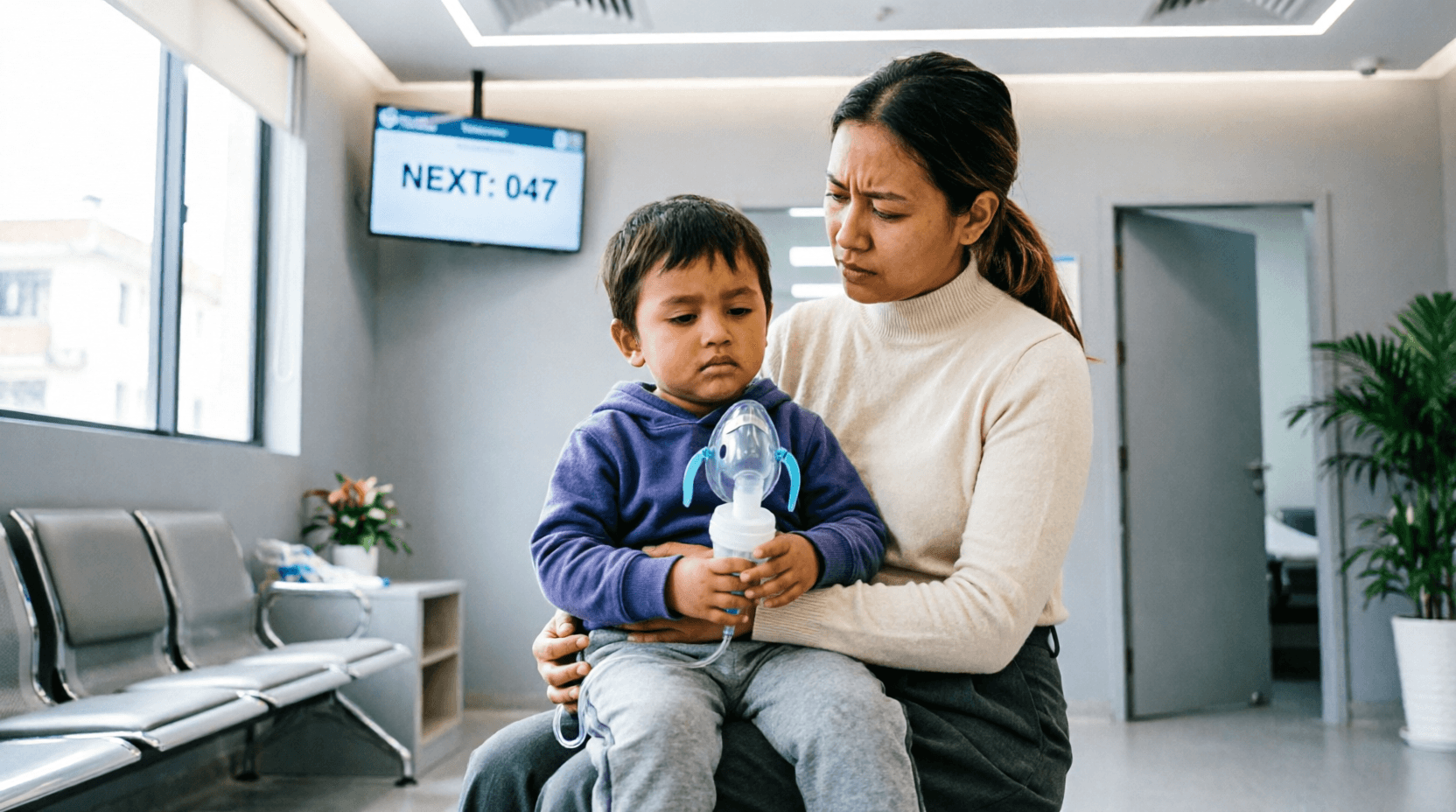
Protecting the Smallest Lungs from the Hidden Grip of RSV in Kathmandu
Kamala Shrestha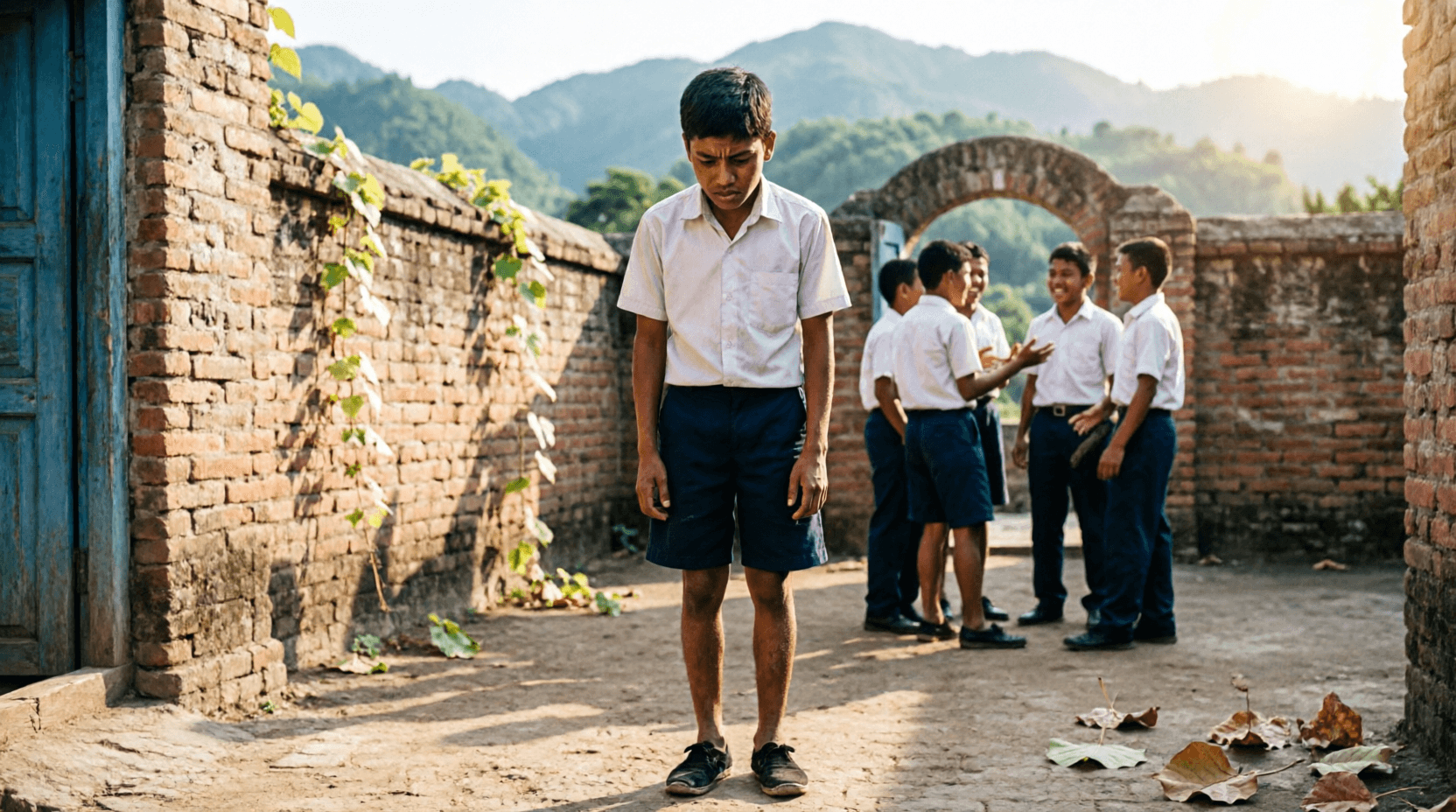
The Heavy Burden of Bullying on Student Wellbeing in Nepal
Sabina MaharjanGlobal Health & Current Affairs
Full CoverageShelves go dry, services collapse, anti-rights forces surge and deepen the crises
The sudden withdrawal of US funding has disrupted HIV, reproductive health and community-based services in Kenya, leaving medicine shelves empty and contributing to rising pregnancies, unsafe abortions and HIV infections. As anti-rights groups exploit the resulting gaps, health leaders call for stronger government systems, integrated care, domestic funding, digital health solutions and rights-based services to protect vulnerable communities and keep the global AIDS response on track
Communities must be financed, not just celebrated, says UNAIDS' Eamonn Murphy ahead of AIDS 2026
UNAIDS Regional Director Eamonn Murphy has urged governments to move beyond celebrating community organizations and instead provide sustained funding, stronger partnerships, and leadership roles in the global HIV response. Speaking ahead of AIDS 2026, he stressed that achieving the 2030 HIV targets, including 95-95-95 and 30-80-60, depends on empowering and financing community-led services, protecting human rights, and translating political commitments into funded national action.
More Stories
संयोगले होइन, नियोजित रूपमा: विश्वव्यापी संक्रामक रोग वित्तीय सहयोगमा संरचनागत असमानता
· Reviewed bySujata ShakyaUnmasking the Crisis of Elder Abuse and Declining Health in Nepal
Liza NagarkotiWill governments make the tobacco industry pay for all the harms it causes?
Shobha ShuklaPork Cracklings Recall: Ineligible Imports Pose Food Safety Concerns
Inexport Logistics LLC has recalled approximately 189 pounds of potato chip products containing pork cracklings (chicharrón) imported from Colombia. These products were deemed ineligible by U.S. food safety authorities, meaning they bypassed crucial inspections. Consumers should not eat these items and are urged to discard or return them to protect public health from unverified food sources.
Read Update →Nepal's Health Response to Flood Disasters: Report Highlights Ongoing Efforts
Nepal's Department of Health Services (DoHS) is actively addressing flood-related health crises, as detailed in its latest report (No. 35, covering up to 16 Ashoj 2083 BS). These efforts focus on preventing waterborne and vector-borne diseases, ensuring access to safe water and sanitation, and delivering essential medical aid to communities impacted by seasonal floods. The report underscores the nation's commitment to public health during emergencies.
Nepal Unveils New Patient Referral Guidelines to Enhance Healthcare Access
Sierra Nevada Cheese Recall: Understanding E. coli Risk in Raw Milk Products
Mezzetta Peperoncini Recall: What to Know About Pest Contamination and Food Safety
Sempio Chicken Stew Recall: Understanding Import Inspection and Food Safety
Editor's Picks
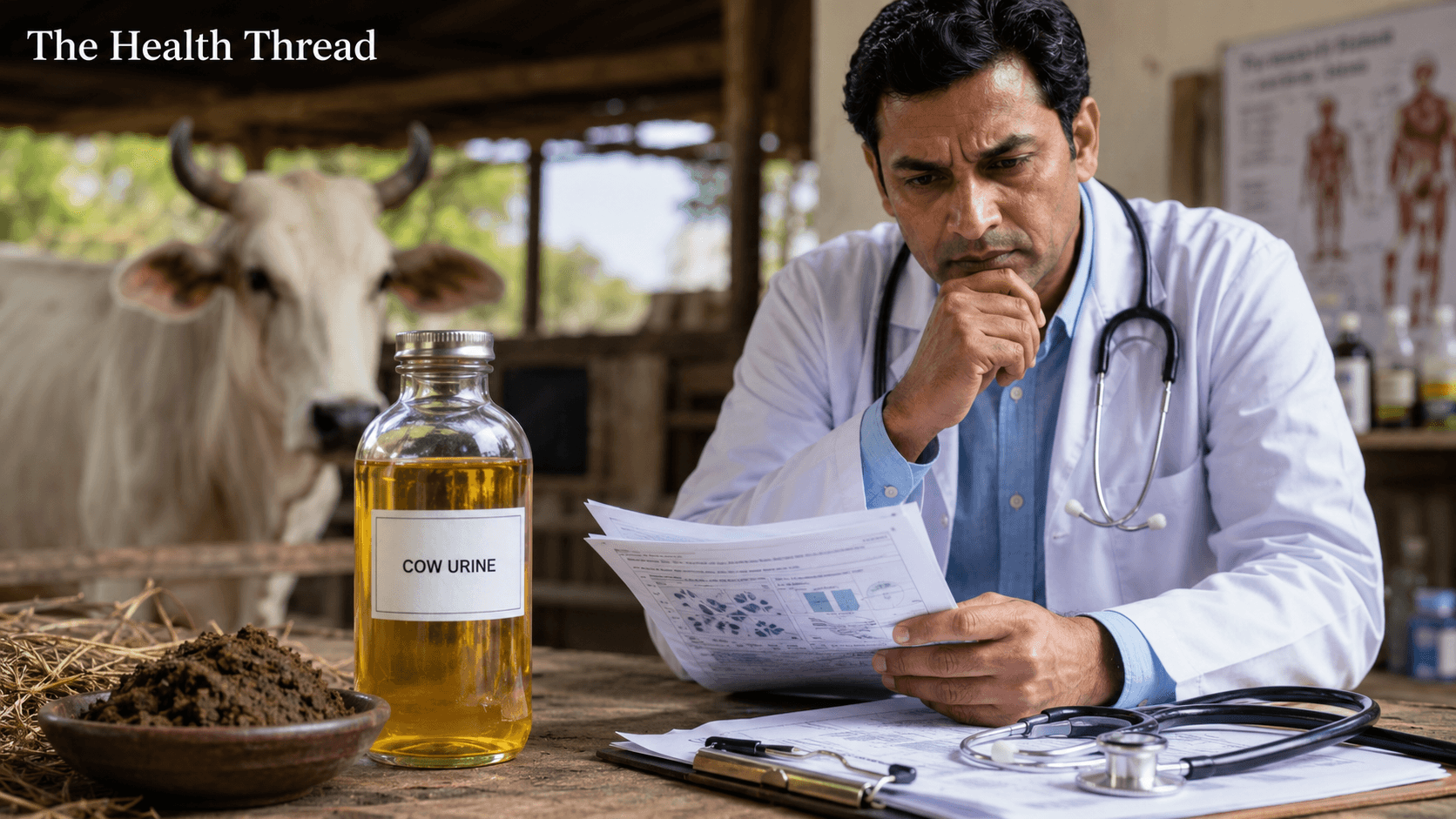
कुनै पनि पिसाब पवित्र हुँदैन: गाईको पिसाब र विज्ञानबीचको द्वन्द्व
यो लेखले गाईको पिसाब र विज्ञानबीचको द्वन्द्वलाई उजागर गर्दछ। इन्डियन भेटेरिनरी रिसर्च इन्स्टिच्युट (IVRI) को अध्ययनले गाईको पिसाबमा मानिसलाई बिरामी बनाउने हानिकारक ब्याक्टेरिया हुने र यो मानव उपभोगका लागि अनुपयुक्त रहेको पुष्टि गरेको छ । कोभिड-१९ र क्यान्सर जस्ता रोग निको पार्ने कुनै पनि क्लिनिकल प्रमाण नहुँदा पनि राजनीतिक र सांस्कृतिक प्रभावका कारण उच्च ओहोदाका व्यक्तिहरूबाटै यसको गलत प्रचार भइरहेको देखिन्छ । यसले गर्दा जनस्वास्थ्यमा गम्भीर संक्रमणको जोखिम बढ्नुका साथै बिरामीहरूले प्रमाणित चिकित्सा उपचार छोड्ने वा ढिलो गर्ने खतरा रहन्छ
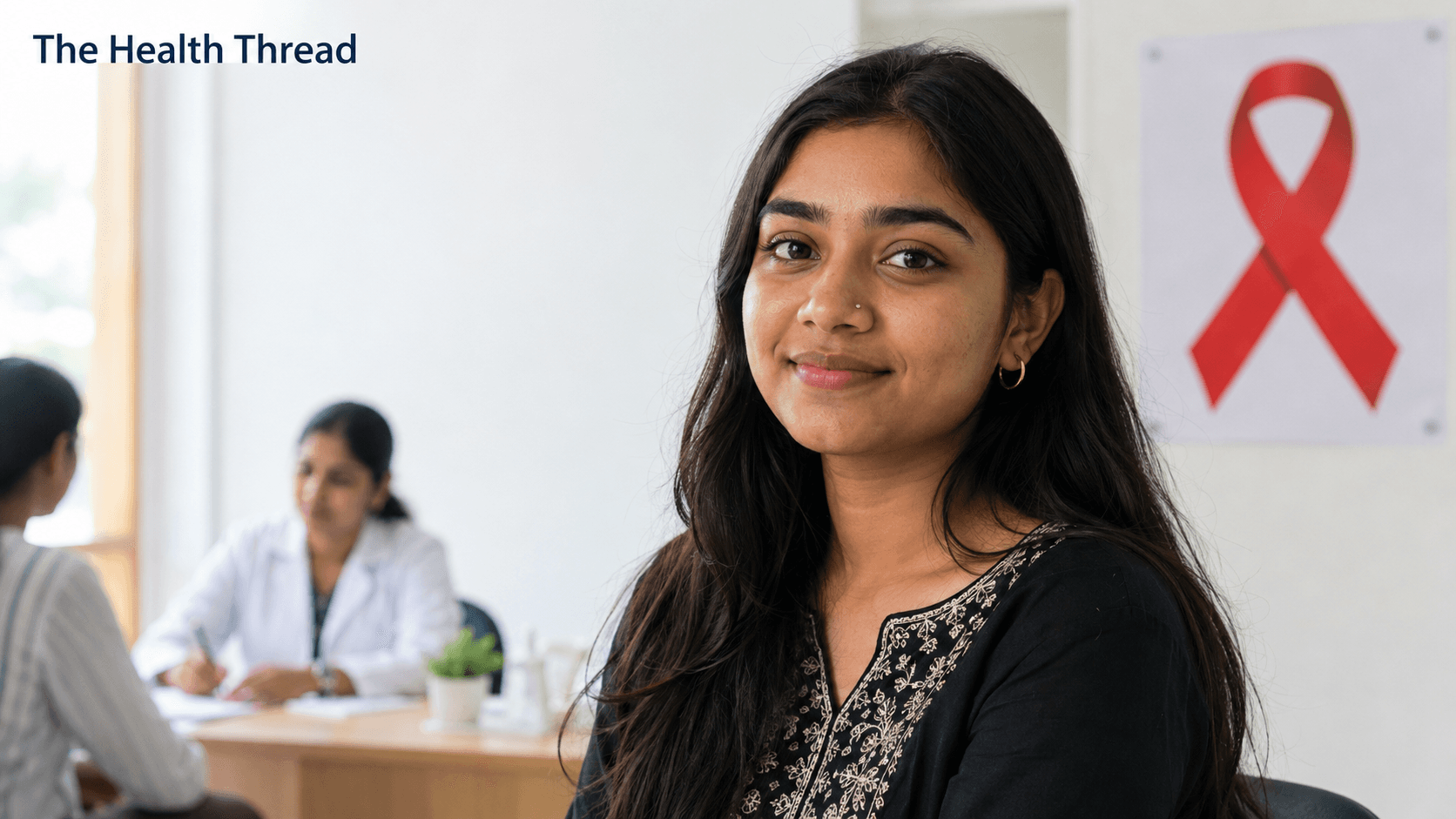
Rising above HIV diagnosis and turning pain into purpose
Diagnosed with HIV at just 12, Sneha turned fear and stigma into strength. Today, she supports adolescents living with HIV, helping them stay on treatment, fight discrimination, and live with dignity, hope, and confidence.

कहिल्यै कसैलाई कमजोर नबनाएको एक पिन्ट रगत: रक्तदानसम्बन्धी मिथ्या र त्यसको मूल्य चुकाइरहेका आमाहरू
रक्तदान गरेपछि शरीर लामो समय कमजोर हुन्छ भन्ने डर अझै धेरै मानिसमा छ। तर विज्ञानले स्पष्ट भन्छ, स्वस्थ वयस्कले दिएको एक पिन्ट रगत शरीरले सुरक्षित रूपमा पुनःपूर्ति गर्छ। यही मिथ्या विश्वासले सम्भावित दातालाई रोकिरहेको छ र प्रसूति, शल्यक्रिया तथा आपतकालीन बिरामीका लागि चाहिने रगतको अभाव झन् गहिरो बनाइरहेको छ।

बिहानको खाना नखाई हुँदैन भन्ने डर विज्ञानले होइन, नाफा खोज्ने कम्पनीहरूले चलाएको थियो।
बिहानको खाना सधैँ दिनकै सबैभन्दा महत्त्वपूर्ण भोजन हो भन्ने धारणा वैज्ञानिक प्रमाणभन्दा बढी व्यापार, विज्ञापन र सांस्कृतिक प्रभावबाट फैलिएको थियो। वयस्कमा बिहानको खाना नखाँदा तौल बढ्छ भन्ने बलियो प्रमाण छैन, तर नियमित रूपमा बिहानको खाना छोड्दा एलडीएल कोलेस्टेरोलमा केही असर देखिन सक्छ। बालबालिका र किशोरकिशोरीका लागि भने बिहानको खाना अझै महत्त्वपूर्ण देखिन्छ।
More Stories
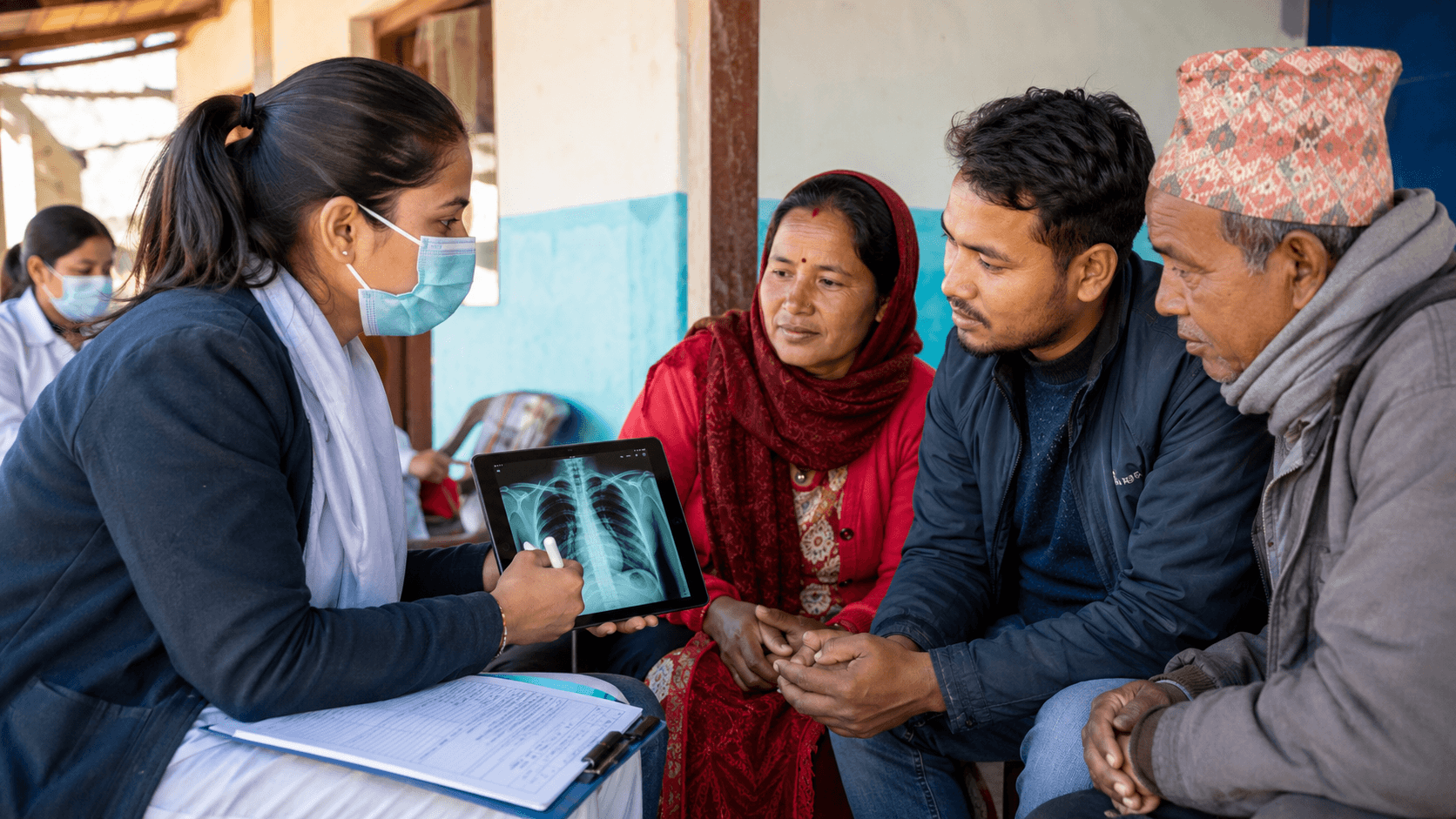
क्षयरोग सेवा दशकौँदेखि विस्तार भइरहँदा पनि हामी किन अझै क्षयरोग अन्त्य गर्ने बाटोमा छैनौँ?
क्षयरोगको उपचार र निदान सेवामा प्रगति भए पनि रोग अन्त्य गर्न यति मात्र पर्याप्त छैन। धुम्रपान, कुपोषण, मधुमेह, एचआईभी, गरिबी र कमजोर स्वास्थ्य पहुँचजस्ता मूल कारणलाई सम्बोधन नगरेसम्म नयाँ क्षयरोगका घटना घट्दैनन्। अब उपचारसँगै रोकथाम, समयमै स्क्रिनिङ, स्थानीय नेतृत्व र बहुक्षेत्रीय सहकार्यलाई क्षयरोग उन्मूलनको मुख्य आधार बनाउनुपर्छ।
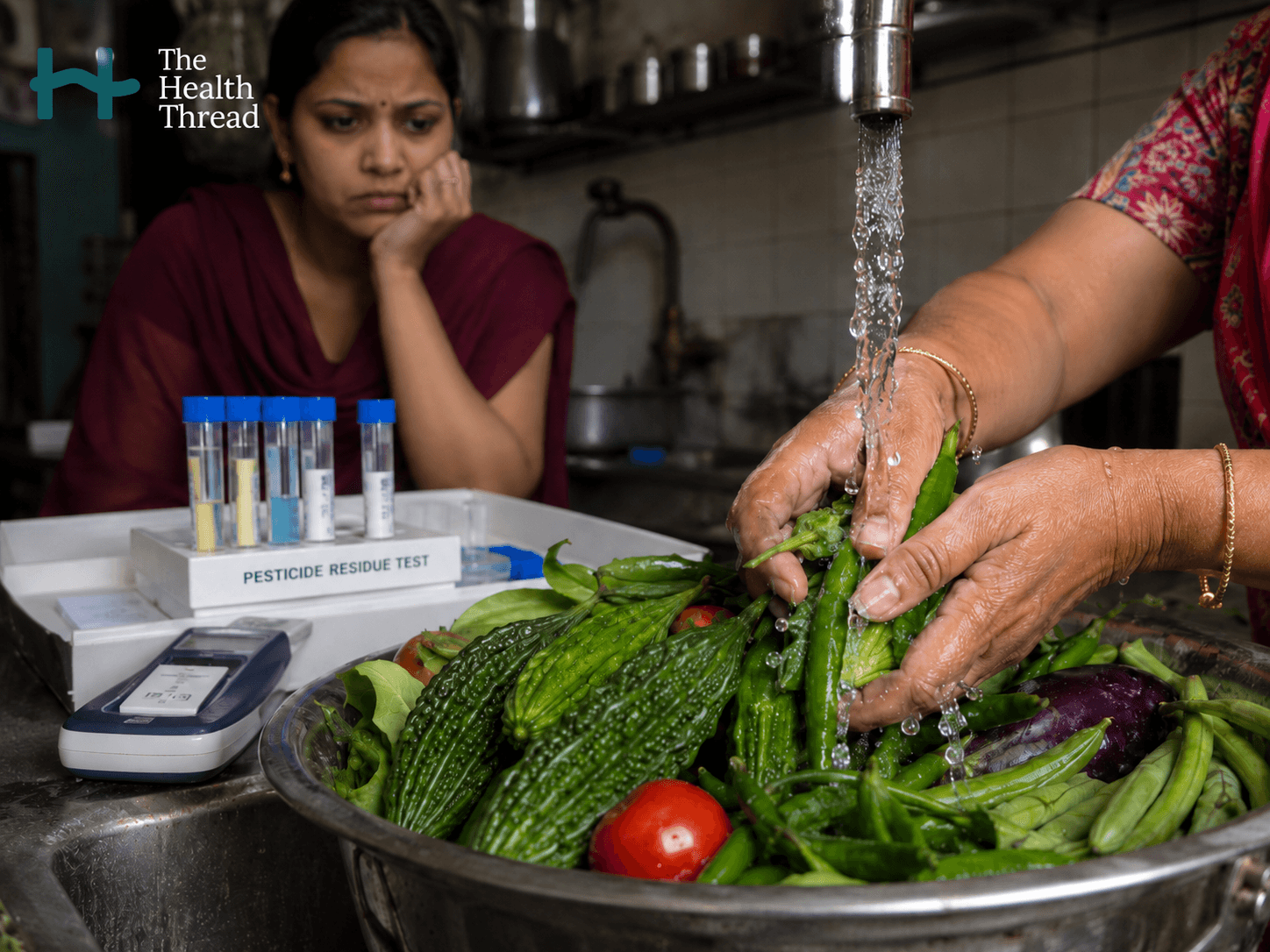
धोएर मात्रै सफा नहुने: दक्षिण एसियाको खानामा लुकेको विषादी संकट
तरकारी र चामलमा भेटिएका विषादी अवशेषले दक्षिण एसियाको खाद्य सुरक्षा संकटलाई गम्भीर बनाएको छ। सबै विषादी पानीले धुँदा हट्दैनन्, विशेषगरी बिरुवाभित्र सोसिएका सिस्टेमिक विषादी। कमजोर अनुगमन, विषादी छरेपछि कुर्नुपर्ने समय नपर्खी बजारमा पठाउने चलन र कडा कारबाहीको अभावले उपभोक्ताको थालसम्म जोखिम पुर्याइरहेको छ।

स्क्रिनले खोस्दै गएको बाल्यकाल: स्मार्टफोन, सामाजिक सञ्जाल र बालबालिकाको मानसिक स्वास्थ्य
स्मार्टफोन र सामाजिक सञ्जालले बालबालिकाको ध्यान, निद्रा, पढाइ, मानसिक स्वास्थ्य र सामाजिक सीपमा गहिरो असर पार्न थालेको प्रमाण बढ्दो छ। विश्वका धेरै देशले विद्यालयमा फोन प्रयोगमाथि कडा नीति बनाइसकेका छन्। अब नेपालले पनि बालबालिकाको भविष्य जोगाउन फोन मुक्त विद्यालय र जिम्मेवार डिजिटल प्रयोगबारे गम्भीर निर्णय लिनुपर्ने समय आएको छ।
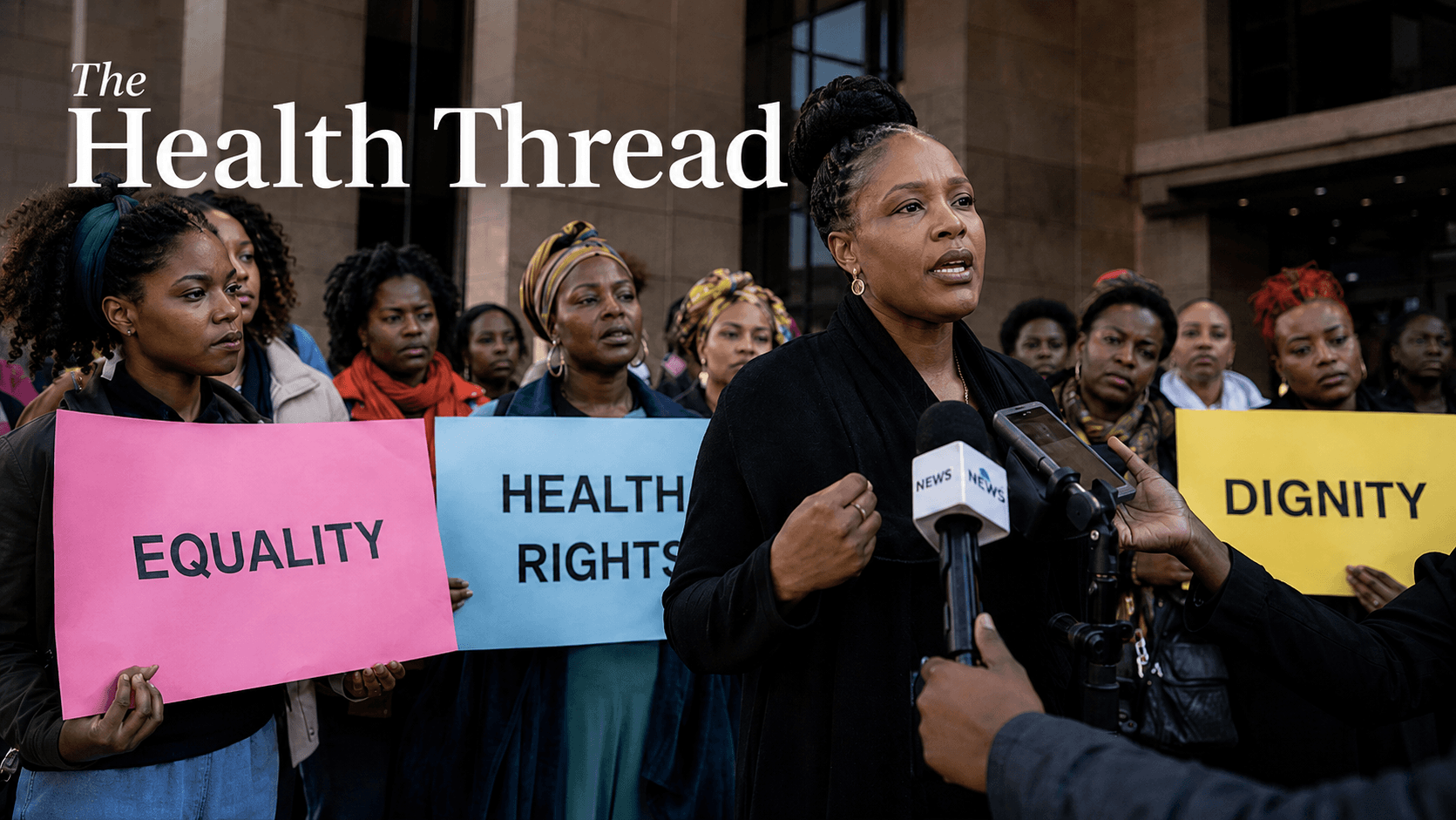
अफ्रिकामा लैङ्गिक समानता र स्वास्थ्य अधिकारविरुद्ध बढ्दो पितृसत्तात्मक प्रतिरोध
अफ्रिकामा प्रस्तावित नयाँ मस्यौदा बडापत्रले परिवार, संस्कृति र सार्वभौमिकताको नाममा लैङ्गिक समानता, स्वास्थ्यको अधिकार र मानव अधिकारका उपलब्धिहरू कमजोर बनाउने खतरा बढाएको छ। अधिकारकर्मीहरूका अनुसार, यो प्रयास अफ्रिकाको मात्र समस्या होइन। एउटा क्षेत्रमा अधिकार फिर्ता लिने अभ्यास संसारका अन्य ठाउँका लागि पनि खतरनाक उदाहरण बन्न सक्छ। उनीहरूले मापुटो प्रोटोकलको रक्षा गर्दै लैङ्गिक समानता, प्रजनन स्वास्थ्य अधिकार र मानव मर्यादालाई अटल मानव अधिकारका रूपमा अघि बढाउन विश्वव्यापी ऐक्यबद्धताको आह्वान गरेका छन्।

बिरामीलाई दिने जुस: पौष्टिक आहार कि फलको नाममा गुलियो भ्रम?
नेपालमा बिरामी भेट्न जाँदा जुस लैजाने चलन सामान्य छ। तर एक गिलास जुस र एउटा सिंगो फल एउटै होइनन्। जुस बनाउँदा फलको फाइबर र गुदीको ठूलो हिस्सा हट्छ, जसले रगतमा चिनी छिटो बढाउन सक्छ। अझ बजारमा “फलको जुस” भनेर बेचिने सबै उत्पादनहरू साँच्चिकै फलको जुस नहुन पनि सक्छन्। यो लेखले जुस, फाइबर, चिनी, मधुमेह जोखिम र दक्षिण एसियाली बजारमा जुसको नाममा बेचिने उत्पादनबारे वैज्ञानिक प्रमाणका आधारमा स्पष्ट रूपमा बुझाउँछ।
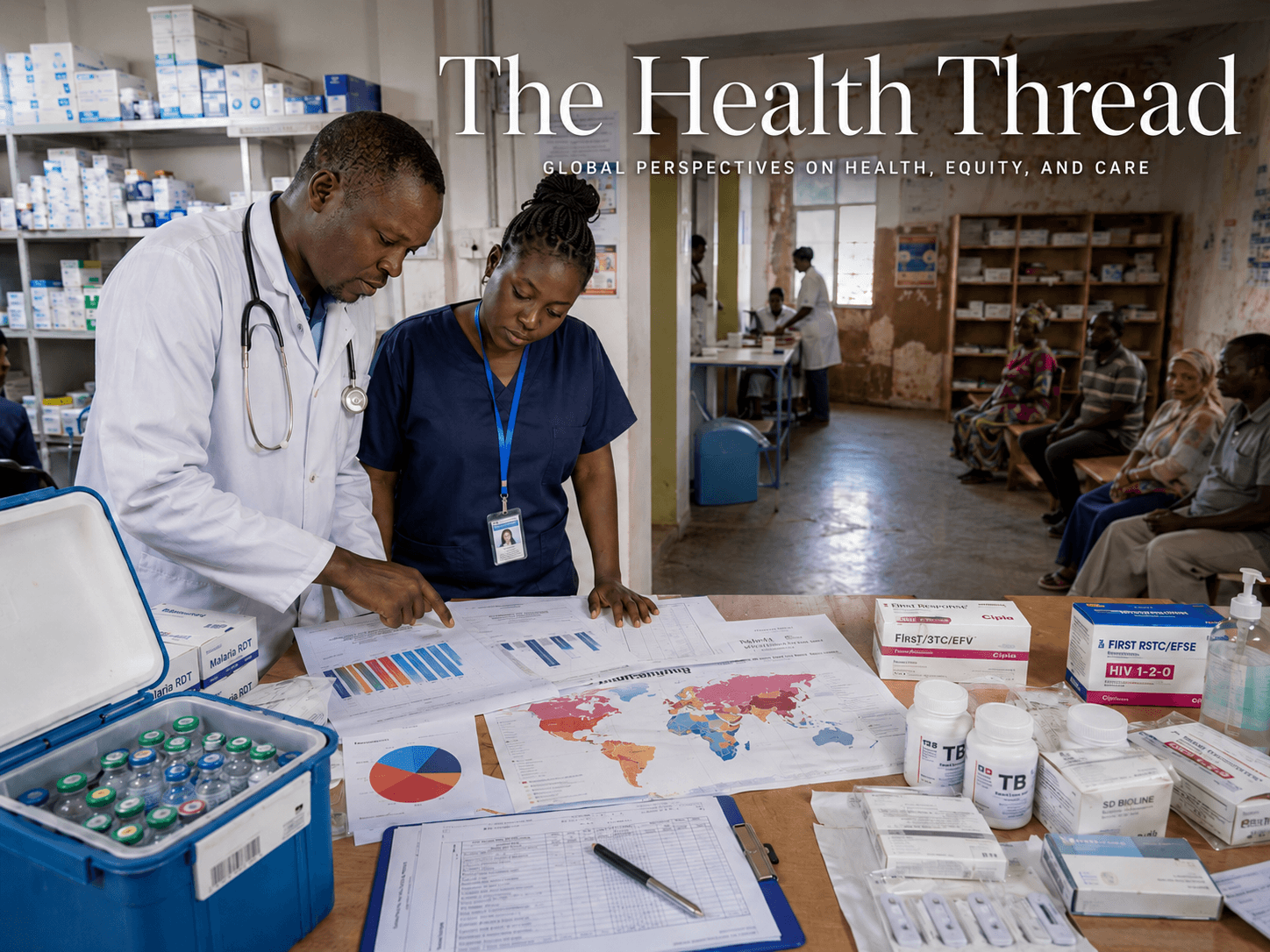
संयोगले होइन, नियोजित रूपमा: विश्वव्यापी संक्रामक रोग वित्तीय सहयोगमा संरचनागत असमानता
विश्वव्यापी संक्रामक रोगको संकट केवल रोगको समस्या होइन, यो असमान स्वास्थ्य प्रणालीको परिणाम हो। HIV, क्षयरोग, उपेक्षित उष्णकटिबन्धीय रोगहरू र महामारी तयारीमा देखिएको वित्तीय कटौतीले गरिब देशहरूलाई सबैभन्दा बढी जोखिममा पारेको छ। विज्ञान, औषधि र उपचार उपलब्ध भए पनि, राजनीतिक निर्णय र असमान लगानीका कारण लाखौँ रोक्न सकिने मृत्युहरू अझै जारी छन्।
Health News
See all
Putting rights, choices and investment at the heart of bodily autonomy and sexual health
Shelves go dry, services collapse, anti-rights forces surge and deepen the crises
Communities must be financed, not just celebrated, says UNAIDS' Eamonn Murphy ahead of AIDS 2026
Rising above HIV diagnosis and turning pain into purpose
क्षयरोग सेवा दशकौँदेखि विस्तार भइरहँदा पनि हामी किन अझै क्षयरोग अन्त्य गर्ने बाटोमा छैनौँ?
Wellness & Lifestyle
See allIn Depth
Long Reads

Policy & Public Health
Rising above HIV diagnosis and turning pain into purpose
क्षयरोग सेवा दशकौँदेखि विस्तार भइरहँदा पनि हामी किन अझै क्षयरोग अन्त्य गर्ने बाटोमा छैनौँ?
धोएर मात्रै सफा नहुने: दक्षिण एसियाको खानामा लुकेको विषादी संकट
अफ्रिकामा लैङ्गिक समानता र स्वास्थ्य अधिकारविरुद्ध बढ्दो पितृसत्तात्मक प्रतिरोध
The Deadliest Room in the House: Indoor Air Pollution and South Asia's Most Overlooked Public Health Emergency
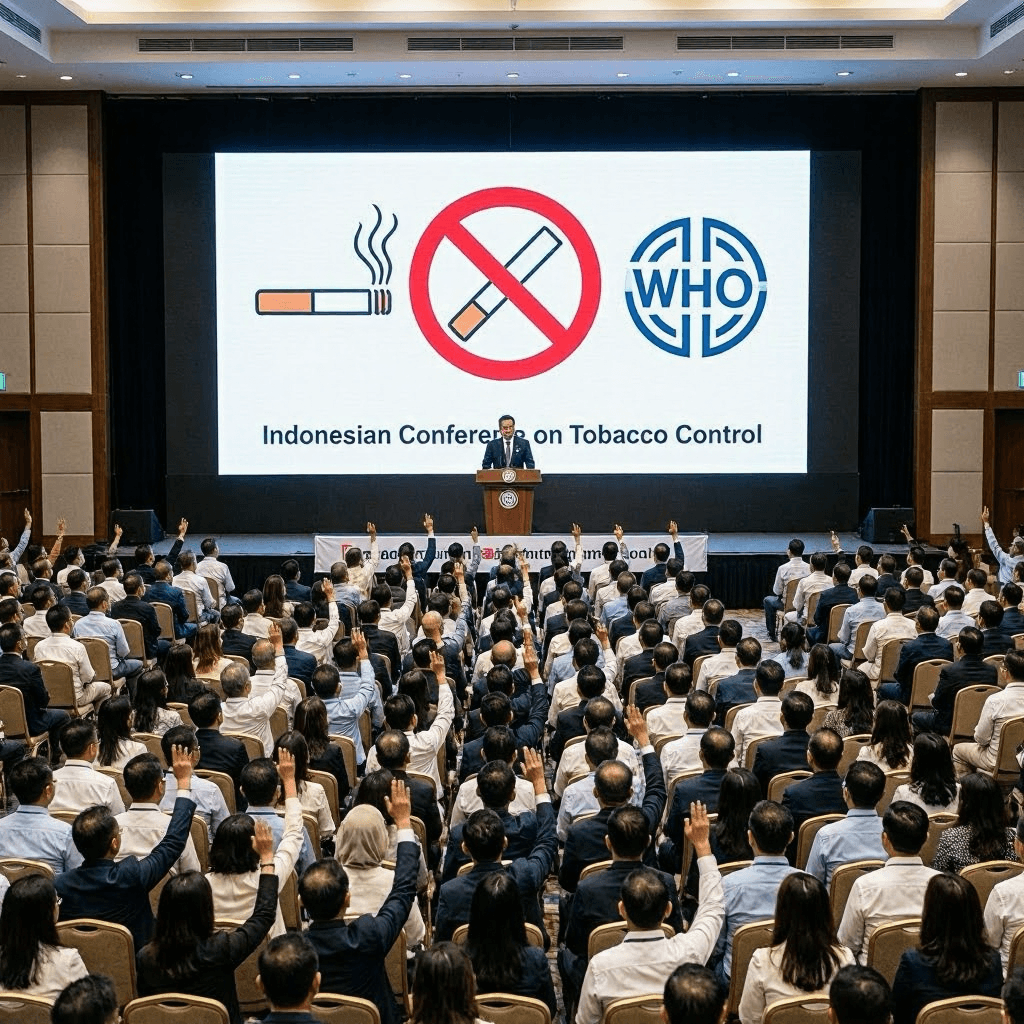
Experts Urge Indonesia to Ratify Global Tobacco Treaty and Enforce Industry Accountability
Explore Health Topics
Get The Health Thread delivered to your inbox
Join thousands of readers who start their week with our curated health news, research breakthroughs, and expert analysis. Free, every Monday.
No spam, ever. Unsubscribe anytime.
“Ethical Health Journalism, from Kathmandu to the World”
The Health Thread bridges the gap between complex medical research and everyday readers.