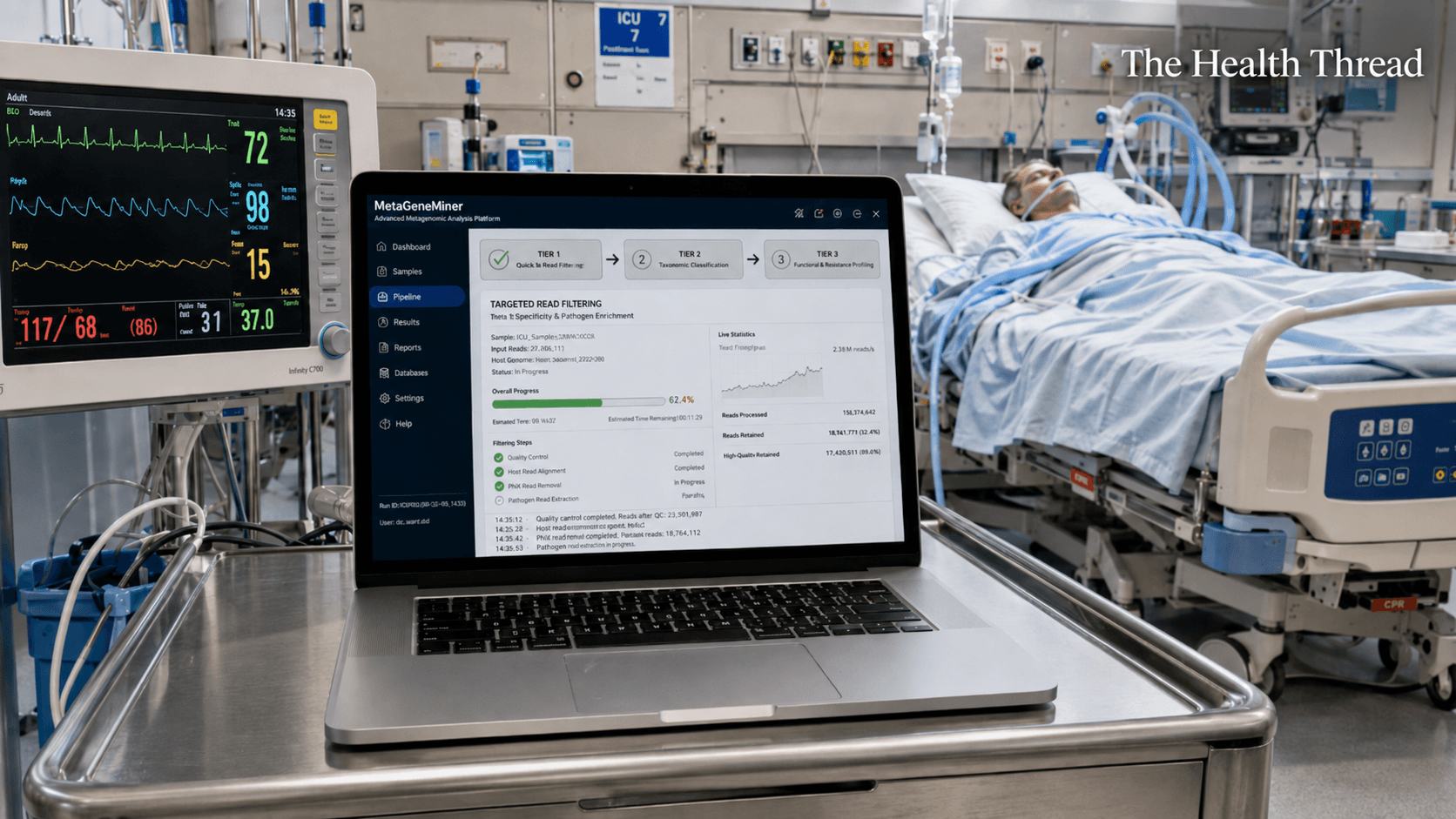
The field of healthcare is one of the areas where technology has made significant advancements.
One of the latest innovations in healthcare is 3D printing. 3D printing has revolutionized the healthcare industry by allowing the creation of customized, complex, and personalized medical devices, prosthetics, and implants. This essay will explore the benefits of 3D printing in healthcare, including research findings, and how it is transforming the healthcare industry.
Benefits of 3D Printing in Healthcare:
1.Personalized Medical Devices: 3D printing technology has enabled the production of customized medical devices that perfectly fit the patient’s needs. This technology has improved patient care by providing medical devices that fit better, are more comfortable to wear, and function more effectively. A study by the National Institute of Health found that 3D printing technology has the potential to improve prosthetic fit, function, and comfort, thereby increasing patient satisfaction (1).
2.Customized Implants: 3D printing technology has also revolutionized the manufacturing of implants. With the help of 3D printing, implants can be designed and customized to match the patient’s unique anatomy. A study by the University of Michigan found that 3D printing technology is highly effective in producing custom-made implants, which resulted in better clinical outcomes (2).
3.Surgical Planning: 3D printing technology has also helped improve surgical planning by providing a more accurate representation of the patient’s anatomy. Surgeons can use 3D-printed models to plan surgical procedures, practice complex surgeries, and reduce the risk of complications during surgery. A study by the University of California, Los Angeles (UCLA) found that 3D-printed models helped improve the accuracy of surgical planning, resulting in better surgical outcomes (3).
Research Findings:
1.A study conducted by researchers at the University of Michigan found that 3D-printed tracheal splints helped treat three babies with life-threatening tracheobronchomalacia, a rare respiratory disease. The 3D-printed splints were able to maintain the airway and allowed the babies to breathe normally, leading to successful treatment (4).
2.Researchers at the University of British Columbia found that 3D printing technology can be used to produce personalized spinal implants that can improve the surgical outcome and reduce complications. The study concluded that 3D printing technology can improve the accuracy and safety of spinal surgeries (5).
3.Researchers at the University of California, San Diego, found that 3D printing technology can be used to create personalized hearing aids that are more comfortable and effective for patients. The study found that 3D-printed hearing aids resulted in better patient satisfaction and improved sound quality (6).
Conclusion:
3D printing technology has revolutionized the healthcare industry by providing personalized medical devices, customized implants, and improving surgical planning. Research studies have found that 3D printing technology can improve patient outcomes, increase patient satisfaction, and reduce healthcare costs. As 3D printing technology continues to advance, we can expect to see even more innovations and benefits in the field of healthcare.