Understanding the Causes of Fallopian Tube Blockages
Fallopian tube blockages can arise from a variety of medical conditions:
- Female Genital Tuberculosis (FGTB):Tuberculosis can lead to both primary and secondary infertility, with a significant percentage of FGTB cases resulting in tubal blockages. The disease can cause unilateral and bilateral blockages, damage to the tubal cilia, and adhesions that affect fertilization and implantation (Sharma et al., 2018).
- Pelvic Inflammatory Disease (PID):This infection of the female reproductive organs is often caused by sexually transmitted infections like chlamydia or gonorrhea. The inflammation and scarring from PID can lead to obstructions in the fallopian tubes. (Jennings & Krywko, 2018)
- Endometriosis:A condition where tissue similar to the lining of the uterus grows outside of it, endometriosis can lead to the formation of adhesions and blockages in the fallopian tubes. (Smolarz, Szyłło, & Romanowicz, 2021)
- Prior Surgeries:Surgical procedures in the abdominal or pelvic area, such as those for appendicitis or ectopic pregnancies, can result in scarring that may constrict the fallopian tubes. (Ghobrial, Ott, & Parry, 2023)
- Hydrosalpinx:This occurs when a blocked fallopian tube fills with fluid, often as a result of infection, endometriosis, or past surgeries. (Lai, Masten, & Markese, 2024)
Diagnosing Tubal Factor Infertility
To diagnose tubal factor infertility, several methods are employed:
- Hysterosalpingogram (HSG):An X-ray procedure that uses a special dye to reveal blockages or structural irregularities in the fallopian
- Sonosalpingogram (SSG):This technique uses ultrasound imaging and a saline solution to evaluate the health of the fallopian tubes and uterus.
- Laparoscopy:A minimally invasive surgical procedure that allows for the direct visualization of the fallopian tubes to detect blockages, scar tissue, and endometriosis.
- HyCoSy:An ultrasound technique that assesses whether the fallopian tubes are open or blocked by using a fluid containing small bubbles (Women’s Imaging, n.d.).
Treatment Options to Restore Fertility
The treatment for tubal blockages varies based on the severity and location of the obstruction:
- Salpingectomy:The surgical removal of one or both fallopian tubes, which can improve the chances of successful IVF treatment (Strandell et al.1999).
- Selective Tubal Cannulation:A nonsurgical technique that uses X-ray guidance to clear blockages near the uterus. This method is an excellent alternative to microsurgical tubal anastomosis (Watrelot & Chauvi, 2011)
- Tubal Reanastomosis and Fimbrioplasty:Surgical procedures that either reverse a tubal ligation or repair damaged parts of the fallopian tube (Alberta Health Services, n.d.).
- Salpingostomy:A procedure that creates a new opening at the blocked end of the fallopian tube, often near the ovary. (Singhal, 2022)
- In Vitro Fertilization (IVF):A process where eggs are retrieved from the ovaries and fertilized in a lab, with the resulting embryos transferred to the uterus, bypassing the fallopian tubes.
The Future of Tubal Factor Infertility Treatment
Research continues to advance in the field of reproductive medicine:
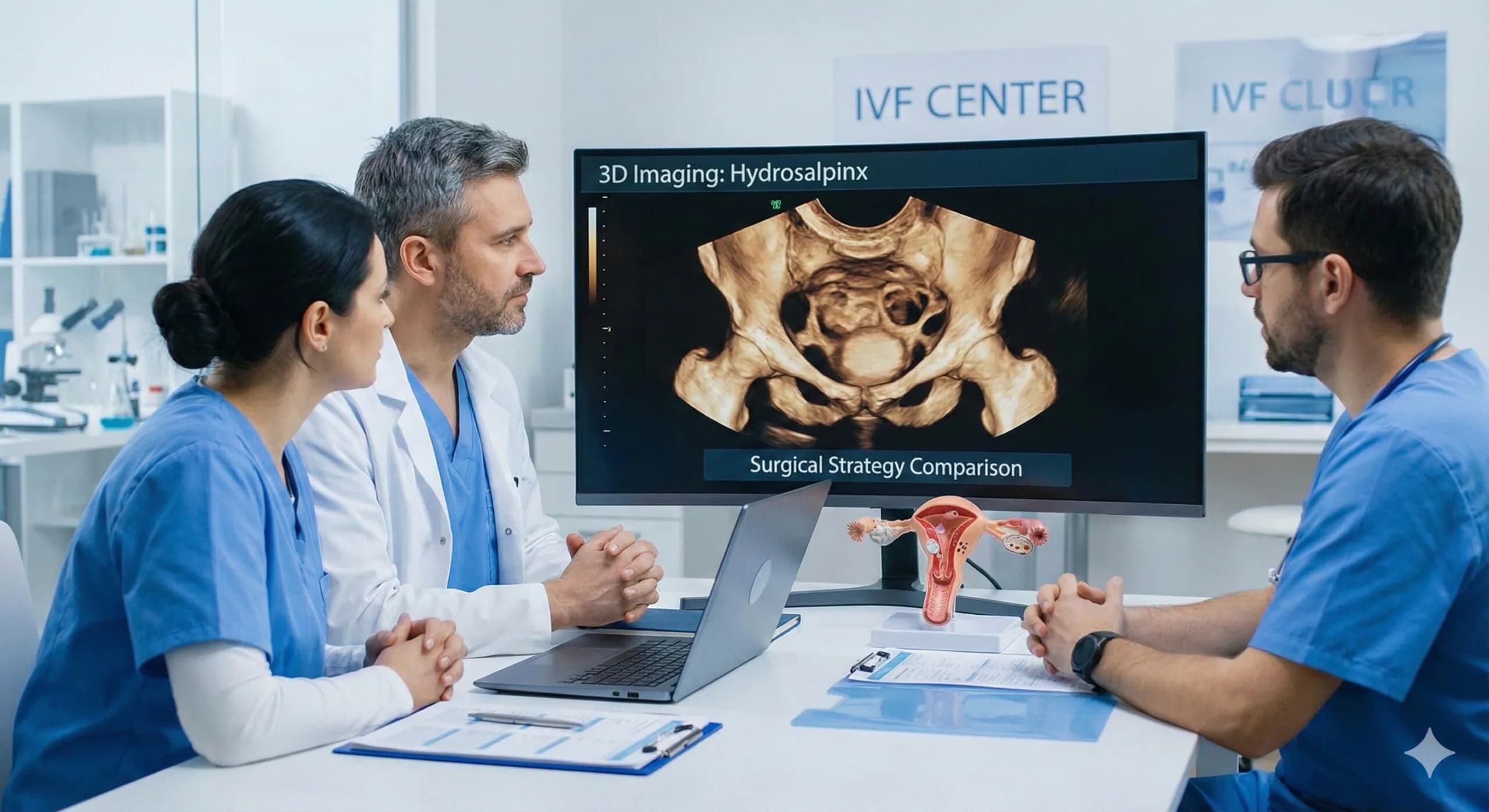
- 3D Imaging and Robotic Surgery:These technologies are improving the precision of surgical procedures for tubal repair (Alkatout et al., 2024).
- Tissue Regeneration:Strategies are being explored to regenerate damaged fallopian tube tissue, offering a potentially less invasive approach to restoring fertility (Sethi et al., 2024).
Conclusion
Choosing the optimal treatment for tubal blockages is a highly personalized decision. It requires the expertise of a fertility specialist who can navigate the best options, taking into account factors such as the woman’s age, the extent of tubal damage, and the cause of the blockage.