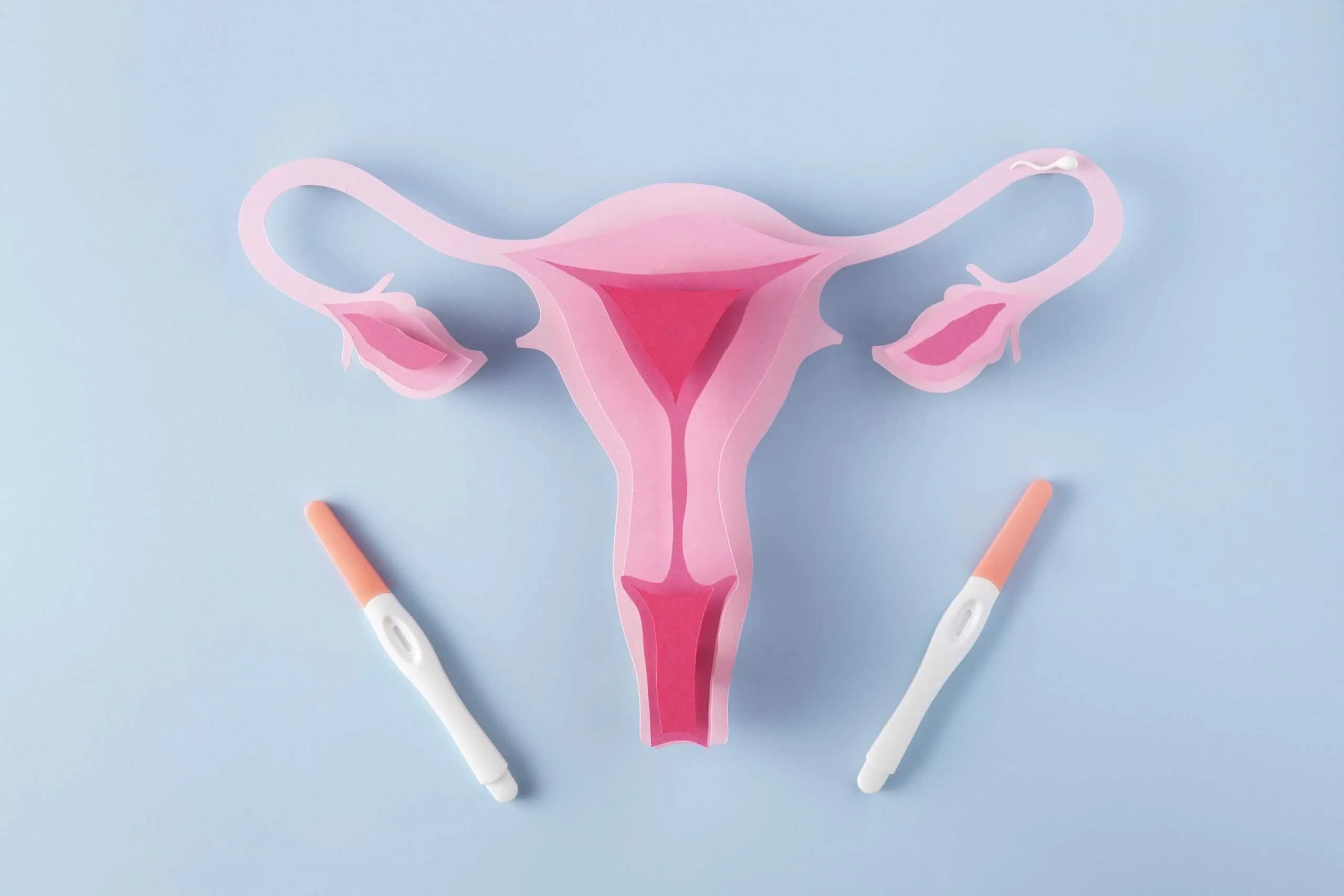
Bacterial Vaginosis (BV) is a complex polymicrobial condition that disrupts the natural balance of the female reproductive tract, affecting nearly one-third of women of reproductive age worldwide. In a healthy state, the vagina is a low-pH, acidic fortress dominated by Lactobacillus bacteria, which produce lactic acid and hydrogen peroxide to ward off pathogens. During BV, these "good" bacteria are replaced by a messy mix of anaerobic bacteria such as Gardnerella vaginalis and Fannyhessea vaginae. This transition results in clinical signs like a thin white or greyish discharge and a distinct fishy odour, though remarkably, approximately 50% of cases are completely asymptomatic, leaving many women unaware of the biological vulnerability they are harbouring.
The most recent and definitive research on this vulnerability is the 2026 systematic review and meta-analysis led by Taylor N. Whitt and colleagues. This study was a "study of studies" that meticulously filtered through 863 initial research results from global databases like PubMed and EMBASE to identify the highest quality data. The researchers focused exclusively on prospective longitudinal studies, which track healthy women over time to see who develops new infections. By analyzing data from 1,906 women, they discovered that having Bacterial Vaginosis increases a woman’s risk of catching Herpes Simplex Virus Type 2 (HSV-2) by a staggering 85% to 91%.
Findings and Biological Mechanism
The study reveals that BV acts as a "biological gateway" for the herpes virus. While a healthy vaginal environment is hostile to viruses, the dysbiosis in BV "unzips" the body's natural defences through several specific mechanisms:
Physical Barrier Disruption: Harmful bacteria like G. vaginalis produce enzymes called sialidases and mucinases that eat away the protective mucus lining of the vagina. Furthermore, they destroy a key "glue" protein called Desmoglein-1 (DSG-1) that holds vaginal skin cells together, allowing the virus to penetrate deeper into vulnerable tissue.
Atypical Inflammation: BV creates a unique state of low-grade inflammation, raising levels of inflammatory markers like TNF-α and IL-1β. This inflammation paradoxically recruits the very immune cells that viruses use to establish infection while decreasing the number of "protector" T cells that could fight the virus off.
pH Shift: The loss of lactic acid-producing Lactobacillus causes the vaginal pH to rise above 4.5, creating a more stable and infectious environment for both HSV-2 and HIV.
Regional Implications:
In South Asian countries, BV prevalence is notably high; for example, studies in Bangladesh have reported rates around 23.2%. In these regions, reproductive health is often compromised by household myths and traditional hygiene practices that inadvertently destroy the vaginal microbiome.
The "Internal Cleaning" Myth: In many households across India and Nepal, there is a common belief that the vagina is "dirty" and requires internal washing with harsh soaps or herbal decoctions. In reality, this practice—known as douching is a major risk factor for BV because it washes away the protective Lactobacillus.
Menstrual Hygiene Practices: Research at a maternity hospital in Pokhara, Nepal, found that the use of unsterilized, old cloth for menstrual hygiene is a significant risk factor for developing infectious vaginitis and BV.
The "Silent" Barrier: Because many women in these regions only seek help when symptoms are severe, the high rate of asymptomatic BV means thousands of women are living with a doubled risk for permanent STIs without knowing it.
Critical Analysis and Research Gaps
As a fertility expert, I must emphasize that HSV-2 is not just a skin condition; it is a lifelong infection that increases the risk of HIV transmission and can cause devastating complications during pregnancy, including neonatal herpes. The critical implication of the 2026 meta-analysis is that we must move away from episodic treatment (only treating when it smells or itches) to a preventative model that focuses on restoring the microbiome.
However, several research gaps remain that the scientific community must address:
Molecular BV vs. Clinical BV: Most current studies rely on 20-year-old microscopic counting methods (Nugent scoring). We urgently need research using high-throughput DNA sequencing to identify which specific "bad" bacteria are the most dangerous "gate openers" for viruses.
Viral Shedding and Transmission: There is currently conflicting data on whether having BV makes a woman who already has herpes more likely to transmit it to her partner through increased viral shedding.
Treatment of Male Partners: Standard antibiotic treatment for women has a high failure rate because "bad" bacteria may hide on the male partner's skin. We need more large-scale trials, similar to recent work in Melbourne, to see if treating partners simultaneously can provide a permanent cure.
Probiotic Restoration: We need more data on whether long-term use of specific vaginal probiotics, like Lactobacillus crispatus, can effectively "lock the door" against viral entry after BV has been treated.