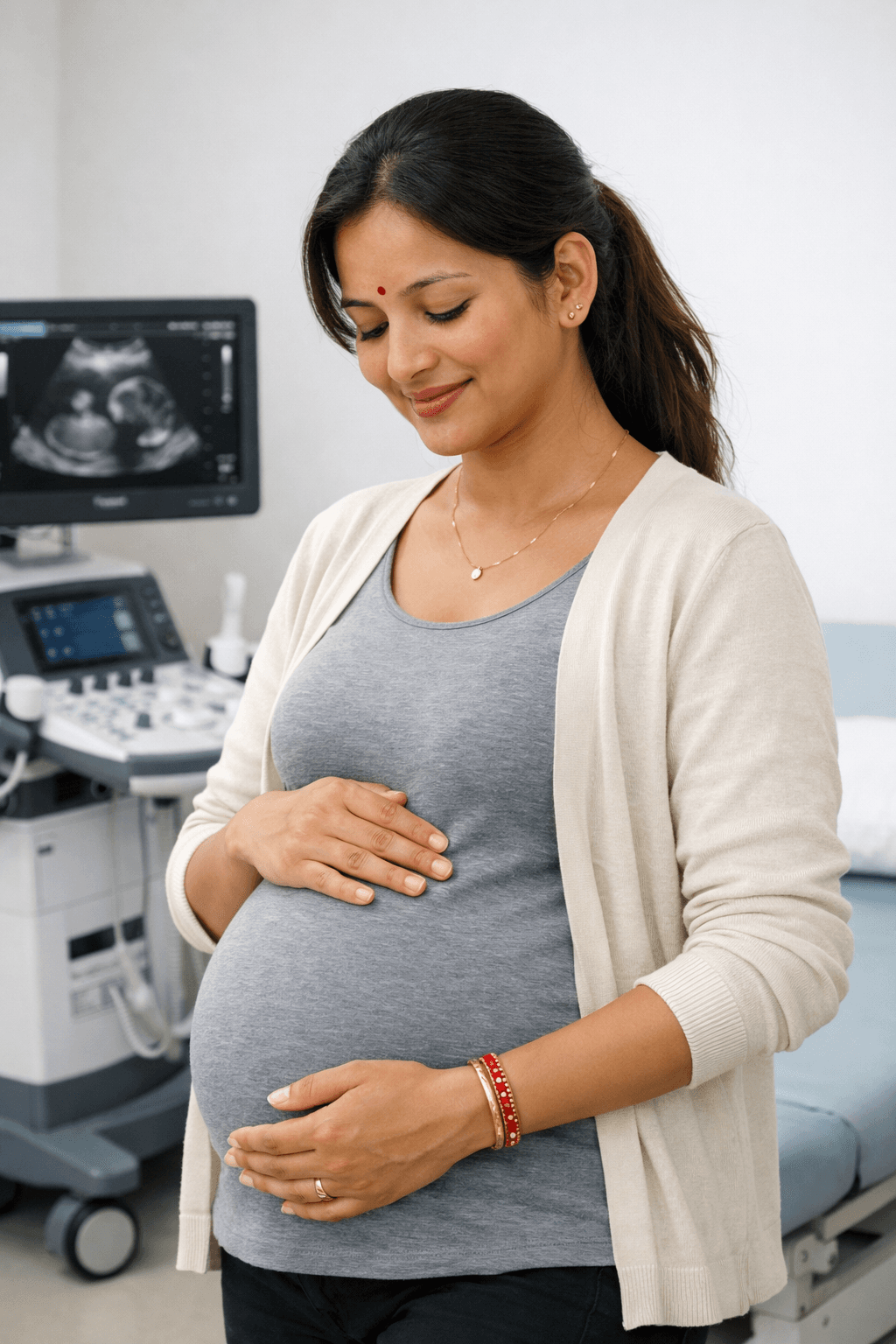
For many Nepali families, the announcement of a pregnancy
is a season of "Shuva Kamana" (good wishes), traditional feasts, and
the anticipation of a new generation. However, behind the celebrations, a quiet
crisis often unfolds. While we meticulously plan for the baby’s clothes, the
naming ceremony, and the physical health of the mother, the "inner
world" of the woman her mental and emotional well-being is frequently left
in the shadows.
In Nepal, maternal mental health is often misunderstood as
simple "stress" or a temporary "low mood" that will pass
with time. But the reality is far more significant. The transition into
motherhood, known clinically as the perinatal period, is one of the most
vulnerable times in a woman's life. Ensuring a mother’s mind is as healthy as
her body is not just a luxury; it is a foundational requirement for the health
of the next generation of Nepalis.
Why Mental Health Matters
Now
The importance of mental health during pregnancy and the
postpartum year (the first year after birth) cannot be overstated. When a
mother struggles with chronic anxiety or depression, it isn't just "in her
head." It creates a physiological cascade that affects the developing
fetus.
Research indicates that high levels of maternal stress
hormones, like cortisol, can cross the placental barrier. This exposure is
linked to adverse outcomes including preterm birth, low birth weight, and
potential developmental delays (Stein et al., 2014). In Nepal, where neonatal
health is a national priority, addressing maternal depression is a critical
piece of the puzzle. A healthy, regulated mother is better equipped to bond
with her infant, which is the primary driver of a child’s emotional and cognitive
development.
Navigating the Unique Challenges of Nepali
Motherhood
While the biological changes of pregnancy are universal,
the social and environmental challenges faced by women in Nepal are unique and
demanding.
1. The Hormonal Storm and the "Baby Blues"
The rapid drop in estrogen and progesterone
after delivery is like a neurological earthquake. In the first few days, many
Nepali women experience the "baby blues"—tearfulness and
irritability. However, when these feelings persist beyond two weeks, it often
signals Postpartum Depression (PPD). In our culture, women are often expected
to be "strong" and "sacrificing," which makes admitting to
these feelings feel like a failure. It is not a failure; it is biology.
2. The Reality of Sleep Deprivation
A
newborn’s schedule is relentless. In many Nepali households, especially in
urban areas like Kathmandu where the traditional "Aama" (grandmother)
support system might be further away, the burden of night feedings falls solely
on the mother. Chronic sleep deprivation is not just tiring; it is a primary
trigger for mood disorders and psychosis. Without rest, the brain cannot
regulate emotions.
3. Social Isolation in a Changing Society
Historically, the "Sutkeri" (postpartum) period in Nepal involved a 12-day or month-long seclusion where the mother was cared for by female relatives. While some aspects of this tradition provided rest, modern shifts toward nuclear families mean many new mothers find themselves alone in apartments while their husband’s work. This disconnection from the traditional "village" support system creates a vacuum where anxiety and loneliness thrive.
What the Research Tells Us
Recent global and regional studies have provided us with a
roadmap for improving maternal outcomes.
The Power of Early Screening
A
study published in Obstetrics and Gynecology emphasizes that routine
depression screening is life-saving. In Nepal, mental health is rarely
discussed during prenatal checkups at hospitals like Paropakar Maternity
Hospital. However, identifying symptoms early rather than waiting for a crisis allows
for gentle interventions like counseling or support groups that prevent the
condition from worsening (Gavin et al., 2015).
Movement as Medicine
We
often tell pregnant women in Nepal to "rest" and avoid movement.
While heavy lifting should be avoided, sedentary behavior can actually worsen
depression. Research in BMC Pregnancy and Childbirth shows that moderate
exercise, such as walking or prenatal yoga, releases endorphins that stabilize
mood and improve sleep quality. For a Nepali mother, a daily walk in a local
park or gentle stretching at home can be a powerful antidepressant.
The Protective Shield of Social Support
The Journal of Women’s Health highlights that social
support is the single greatest "protective factor" against postpartum
depression. In Nepal, this means the role of the husband and the mother-in-law
is clinical in nature. When a family takes over household chores or ensures the
mother gets a four-hour block of uninterrupted sleep, they are performing a
medical intervention. Support isn't just "helping out"; it is
protecting the mother's brain health.
Breaking the Stigma: A Call to Nepali Families
To truly support our mothers, we must change how we talk
about mental health in our communities. We must stop using labels like
"weak" or "ungrateful."
If a mother in your family is struggling to bond with her
baby, sleeping too much or not at all, or expressing constant worry, she
doesn't need a lecture on how "lucky" she is to have a child. She
needs a safe space to talk and professional guidance. In Nepal, organizations
and mental health professionals are increasingly available to help navigate
these waters without judgment.
Practical Steps for the "Sutkeri"
Period
- Ask
for Specific Help: Instead of saying "I'm
fine," tell your family, "I need someone to hold the baby for
two hours so I can sleep."
- Limit
"Information Overload": social media can make
you feel like everyone else is a perfect mother. Unplug if it makes you
feel inadequate.
- Nutrition
Matters: Traditional Nepali foods like Jwano ko
Jhol (carom seed soup) are great for physical recovery, but ensure you
are also getting Omega-3 fatty acids and proteins which support brain
function.
- Talk
to a Professional: If you feel "stuck" in
sadness or fear, reach out to a counselor. Seeking help is the bravest
thing a mother can do for her child.
Conclusion
A mother’s well-being is the heartbeat of the Nepali home.
By moving away from the silence and stigma surrounding maternal mental health,
we create a society where both mothers and children can flourish. Pregnancy and
the postpartum journey are indeed a marathon one that no woman should have to
run alone. With the right mix of family support, medical awareness, and
self-compassion, we can ensure that this journey is defined by joy and health
rather than silent suffering.