The global health landscape shifted significantly on May 17, 2026, when the World Health Organization (WHO) officially declared the ongoing Ebola outbreak in the Democratic Republic of the Congo (DRC) and Uganda a Public Health Emergency of International Concern (PHEIC). This designation, reserved for the most severe cross-border health threats, was prompted by a surge in high-mortality clusters centred in the Ituri Province of the DRC. Unlike the more frequent Zaire ebolavirus outbreaks, this epidemic is driven by the rare Bundibugyo virus (Orthoebolavirus bundibugyoense), a species that presents unique diagnostic, clinical, and logistical challenges to the microbiological community. As of May 19, 2026, the situation has escalated to 536 suspected and 34 laboratory-confirmed cases, resulting in at least 134 deaths.
Taxonomy and Genomic Characterization
The Bundibugyo virus belongs to the family Filoviridae and the genus Orthoebolavirus. While the Zaire species is the most well-characterized due to its high fatality rates and involvement in the 2014-2016 West African epidemic, Bundibugyo remains relatively obscure, with only two previous major outbreaks recorded in 2007 and 2012. Genomic sequencing by the Institut National de la Recherche Biomédicale (INRB) in Kinshasa has confirmed that the 2026 outbreak is caused by the Bundibugyo Ebola virus. This strain is distinct from the Zaire virus responsible for the DRC’s previous outbreak, which ended in December 2025.
Phylogenetic analysis indicates the outbreak likely began with a single zoonotic spillover event from an unknown animal reservoir suspected to be fruit bats of the Pteropodidae family to a human host, triggering rapid human-to-human transmission. This genetic distinction is critical: because the genomic sequence of the Bundibugyo virus differs significantly from the Zaire strain, existing medical countermeasures, including current vaccines and therapies, are ineffective.
Pathogenesis and Clinical Evolution
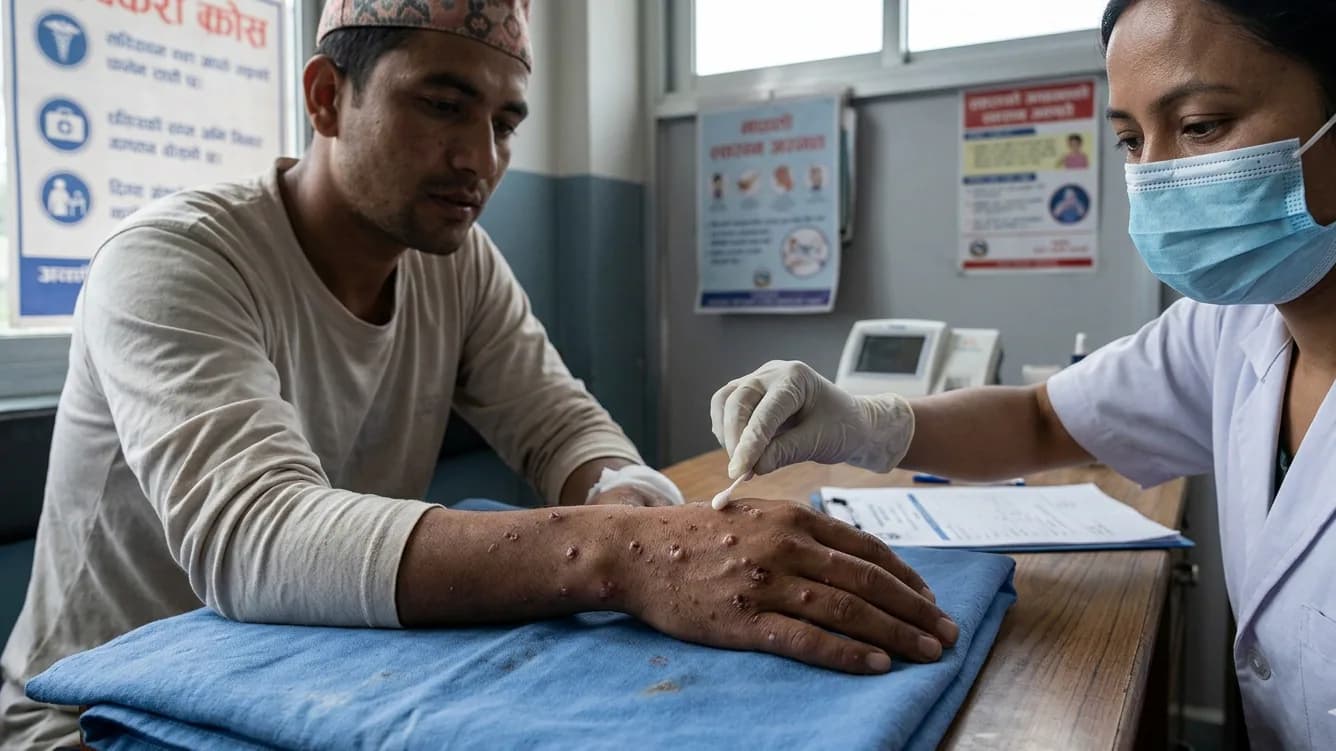
The pathogenesis of Bundibugyo virus disease (BVD) involves an incubation period ranging from 2 to 21 days, during which the virus replicates within host cells but remains non-infectious. BVD is characterized by an influenza-like prodrome (arthralgia, cough, fever, headaches, myalgia, and nausea) followed by occasional severe diarrhea and vomiting, maculopapular rash, chest pain, and hemorrhagic manifestations, such as melena and bleeding from mucous membranes and puncture sites.
Clinical progression is typically bifurcated into "dry" and "wet" phases.
- The "dry" phase is characterized by non-specific symptoms, including sudden fever, intense fatigue, myalgia, and severe headache. As the viral load increases and the host's immune response triggers systemic inflammation, the disease moves into the "wet" phase.
- This secondary stage involves gastrointestinal distress, vomiting, and diarrhea, leading to severe dehydration and electrolyte imbalance. In approximately 30% to 50% of cases, the disease progresses to multisystem organ failure and internal or external hemorrhaging, such as bleeding from body orifices or the skin. Microbiological research indicates that while Bundibugyo historically has a lower-case fatality rate (CFR) (rates ranging from 25-50%) than the Zaire strain (which can reach 90%), it still poses a lethal threat, particularly in resource-limited settings where optimized supportive care is unavailable.
The Diagnostic Gap: Why Initial Tests Failed
One of the most alarming features of the 2026 outbreak was the four-week detection gap between the index case on April 24 and official laboratory confirmation on May 15. This delay was caused by a critical diagnostic failure: standard Ebola Xpert cartridges, optimized to detect the Zaire strain, yielded false-negative results for the Bundibugyo strain.
This microbiological "blind spot" highlights the necessity for species-specific Polymerase Chain Reaction (PCR) testing. The current diagnostic protocol relies on decentralized laboratory capacity for genomic sequencing to distinguish among orthobolavirus species. Without these specialized assays, the Bundibugyo strain can circulate undetected, masked by co-circulating endemic febrile illnesses such as malaria or typhoid.
The Countermeasure Vacuum: Vaccines and Therapeutics
A primary concern for the Africa CDC, which declared the outbreak a Public Health Emergency of Continental Security (PHECS) on May 18 is the total absence of approved vaccines or targeted therapeutics for the Bundibugyo strain. While the FDA-licensed Ervebo vaccine is highly effective against the Zaire virus, its genetic divergence means it is not expected to provide cross-protection against Bundibugyo. Although some animal studies suggest Ervebo may offer limited protection, a WHO technical advisory group is still deliberating whether to deploy it in a clinical trial context.
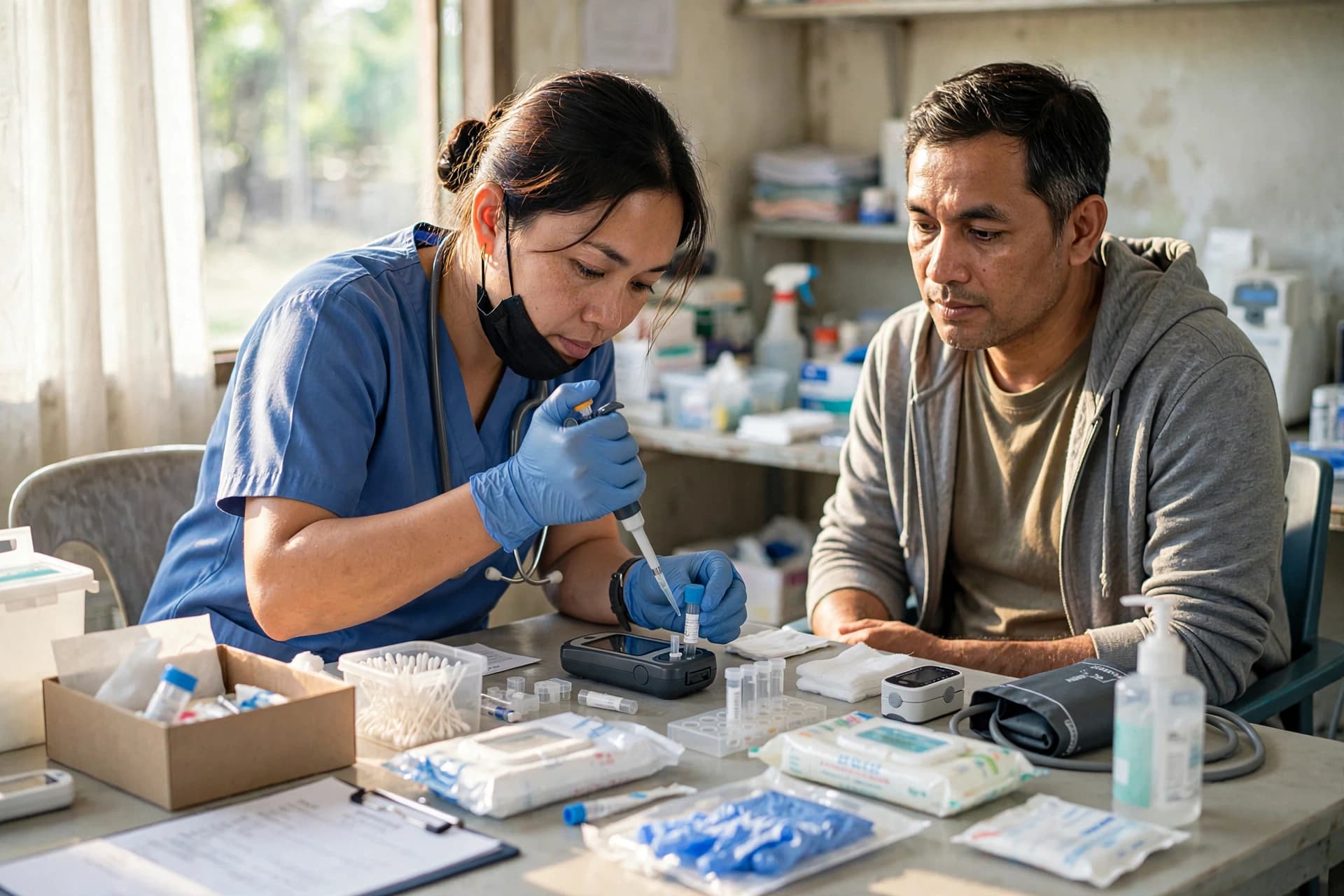
Furthermore, the monoclonal antibody treatments mAb114 (Ansuvimab) and REGN-EB3 (Inmazeb), which revolutionized Zaire Ebola care, do not bind effectively to the Bundibugyo glycoprotein. Consequently, clinical management relies entirely on aggressive supportive care, including intravenous rehydration and hemodynamic stabilization. The WHO and UNICEF have mobilized over 70 tonnes of medical supplies to ensure that clinics have the basic materials, tents, personal protective equipment (PPE), and disinfectants required to provide this care safely.
Transmission Dynamics and Environmental Risk Factors
Bundibugyo spreads through direct contact with the blood, secretions, or bodily fluids of an infected individual or contaminated environments. A significant driver of the current outbreak has been nosocomial transmission within healthcare facilities, where at least four health workers died in early May due to breaches in Infection Prevention and Control (IPC) protocols.
Demographic data reveal a disproportionate impact on females (60% of cases) and young adults aged 20 to 39. Microbiologists and sociologists attribute this to the gendered roles of women as primary caregivers for sick relatives and their frequent involvement in traditional funeral rituals. Deceased bodies remain highly infectious, making unsafe burial practices where mourners touch or wash the body a major catalyst for transmission. Additionally, the virus can persist in the semen of male survivors for several months after clinical recovery, necessitating long-term sexual health counselling and barrier protection.
The Epidemiological Landscape in Ituri and Beyond
The epicentre of the outbreak is the Mongbwalu Health Zone, a high-traffic mining hub in eastern DRC. The high mobility of miners creates a "corridor of transmission" toward urban centers like Bunia and across the porous borders into Uganda and South Sudan. Uganda confirmed two laboratory-confirmed cases in Kampala on May 15 and 16, both involving travellers from the DRC.
In response, the United States has implemented a Title 42 Order, suspending entry for non-U.S. citizens who have been in the DRC, Uganda, or South Sudan within the last 21 days. While the risk to the U.S. remains low, this proactive measure aims to reduce the burden on public health systems responsible for monitoring returning travellers during the incubation period.
Conclusion:
The 2026 Bundibugyo outbreak underscores the fragility of global health security when faced with a "countermeasure-free" pathogen. The current response relies on the core pillars of public health: rapid detection, contact tracing, and community engagement. Moving forward, the research community must prioritize the development of "pan-Ebola" diagnostics and vaccines that target conserved regions of the orthoebolavirus genome. Until such tools are available, containment will depend on the vigilance of frontline health workers and the swift mobilization of international resources to the conflict-affected health zones of Ituri.