About Us
Research Watch
•स्क्रिनमा देखिने चुरोट: सुर्तीजन्य हानि न्यूनीकरण नीतिमा दक्षिण एसियाले अझै के छुटाइरहेको छ•नेपालमा पिसाब नलीको संक्रमण र एन्टिबायोटिक प्रतिरोधको बढ्दो संकट•Frontline Perspectives on Nursing Leadership in Nepal•Protecting the Smallest Lungs from the Hidden Grip of RSV in Kathmandu•The Heavy Burden of Bullying on Student Wellbeing in Nepal•The Emerging Landscape of Thyroid Health in Central Nepal•How a Recent Western Nepal Study is Redefining Anemia Diagnosis•How H. Pylori is Impacting the Health of Karnali’s High-Altitude Communities•Sweet Poison, Bitter Reality: The Unseen Diabetes Epidemic Among Nepal’s Youth•How Missing Checklists and Protocols are Costing Lives in Nepal’s ERs•स्क्रिनमा देखिने चुरोट: सुर्तीजन्य हानि न्यूनीकरण नीतिमा दक्षिण एसियाले अझै के छुटाइरहेको छ•नेपालमा पिसाब नलीको संक्रमण र एन्टिबायोटिक प्रतिरोधको बढ्दो संकट•Frontline Perspectives on Nursing Leadership in Nepal•Protecting the Smallest Lungs from the Hidden Grip of RSV in Kathmandu•The Heavy Burden of Bullying on Student Wellbeing in Nepal•The Emerging Landscape of Thyroid Health in Central Nepal•How a Recent Western Nepal Study is Redefining Anemia Diagnosis•How H. Pylori is Impacting the Health of Karnali’s High-Altitude Communities•Sweet Poison, Bitter Reality: The Unseen Diabetes Epidemic Among Nepal’s Youth•How Missing Checklists and Protocols are Costing Lives in Nepal’s ERs
Mental Health

Seeking help for mental health issues: Where to start?

Medically reviewed by, Clinical Psychologist & Clinical Coordinator
Published July 12, 2023Updated March 8, 2026

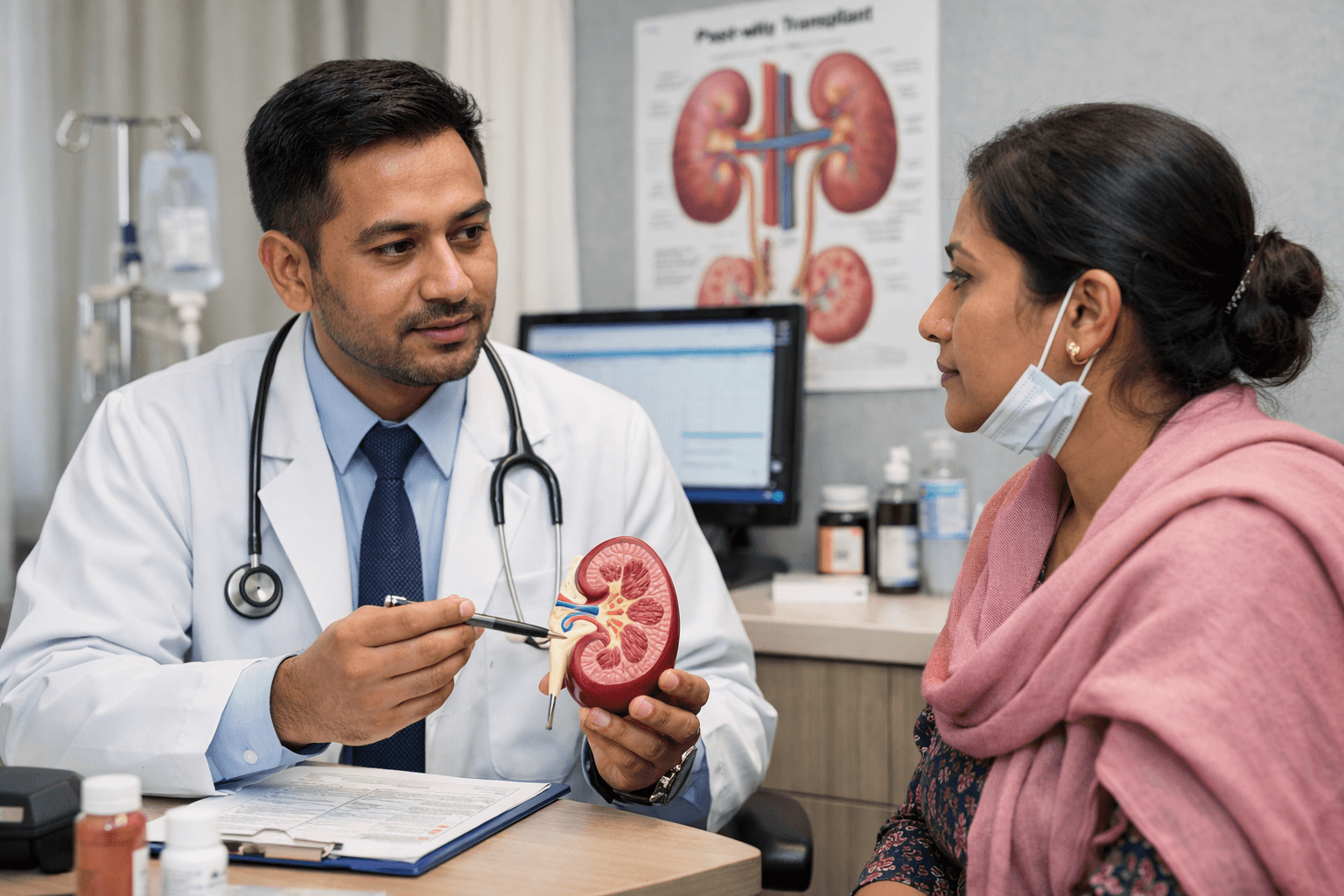
Seeking help for mental health issues is an important step towards promoting mental health and well-being. It can be difficult to know where to start, but there are a few options available:

i. Primary care physician: A primary care physician can help diagnose and treat common mental health conditions, such as depression and anxiety. They can also provide referrals to mental health specialists if needed.

ii. Mental health specialists: Mental health specialists, such as psychiatrists, psychologists, and social workers, are trained to diagnose and treat mental health conditions. They can provide therapy, medication management, and other forms of treatment.

iii. Employee Assistance Programs (EAPs): Many employers offer EAPs, which provide short-term counseling and other support services to employees and their families.

iv. Support groups: Support groups can be a valuable resource for individuals with mental health conditions. They provide a safe and supportive environment for individuals to share their experiences and receive support from others who are going through similar experiences.

v. Crisis hotlines: Crisis hotlines provide immediate support to individuals who are in crisis. They can offer information, resources, and referrals to local mental health services.

It is important to remember that seeking help for mental health issues is a sign of strength, not weakness. With the right treatment and support, individuals with mental health conditions can live happy and fulfilling lives.

Share this article

About the Reviewer
Medically Reviewed By
SM
Sabina Maharjan
Sabina Maharjan
Clinical Psychologist & Clinical Coordinator

Sabina Maharjan is a distinguished Clinical Psychologist with a rare dual background in clinical nursing and advanced psychological science. As a Clinical Coordinator at TPO Nepal, she specializes in psychological assessments and evidence-based psychotherapies, including

Related Content