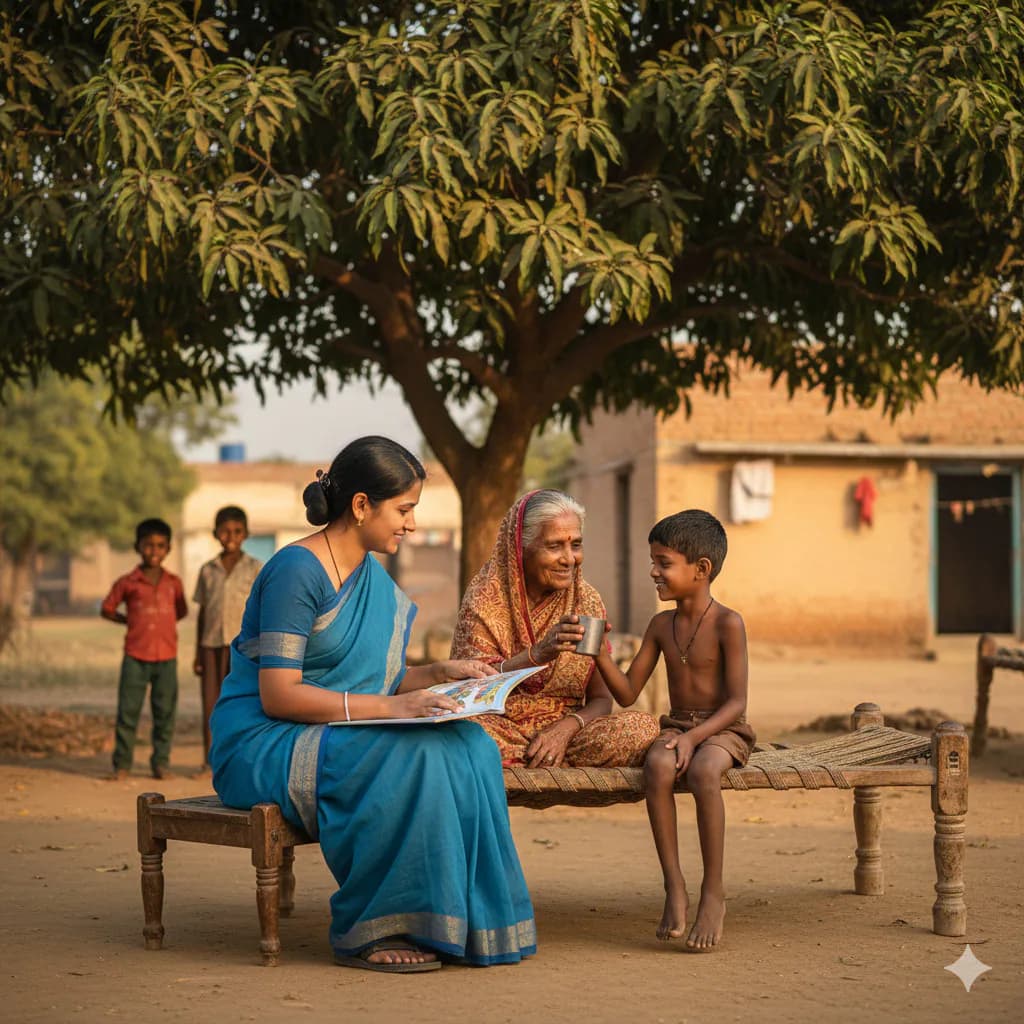
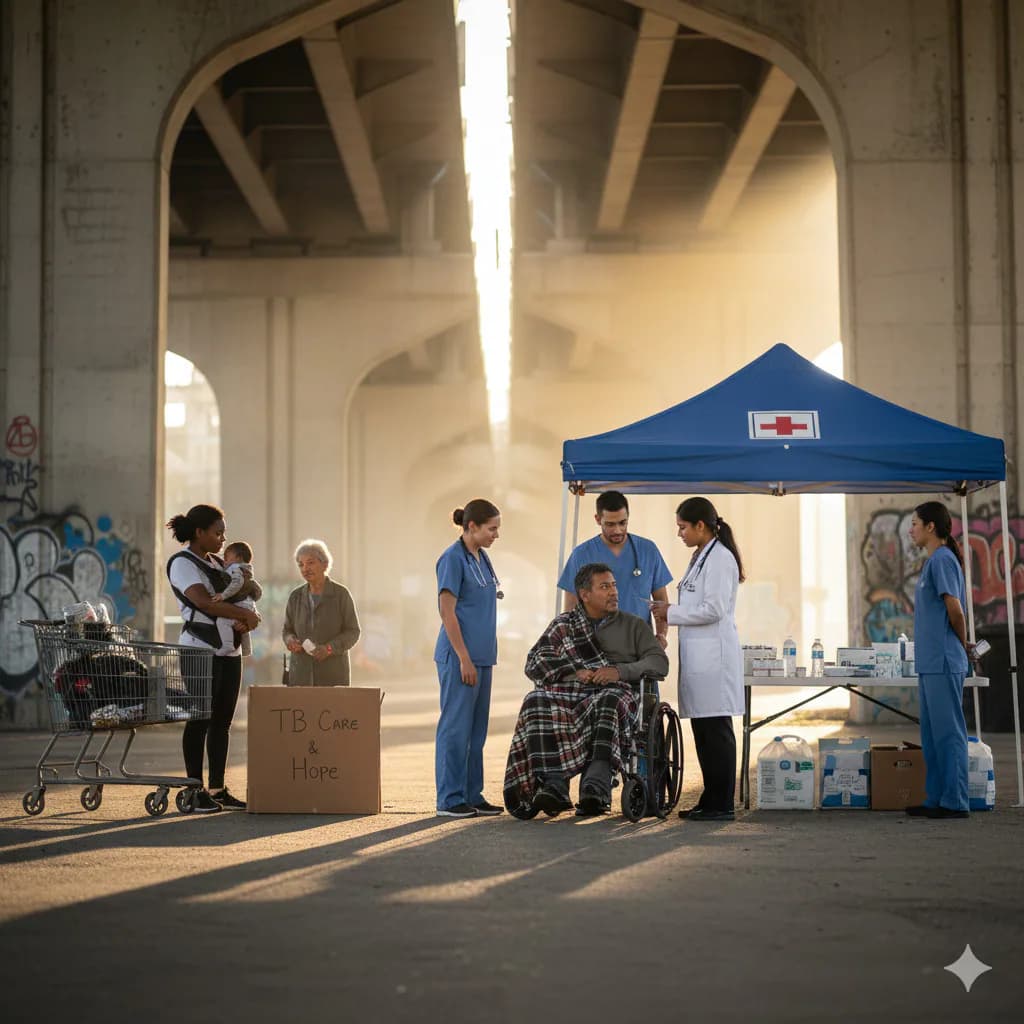
When you walk into a hospital or clinic in Nepal, you’re not just a “case,” a “file,” or a “bed number.” You are a human being with rights — rights that protect your dignity, your choices, your privacy, and your safety.
Around the world, patient rights have become a central part of modern healthcare. Nepal is no exception. But many Nepalis still don’t know what these rights actually are, or how they apply in real life.
This guide breaks it down in simple language, connecting global standards with Nepal’s own laws and ethical codes — so every patient can understand what they deserve.
Where patient rights come from
Globally, one of the most important documents on patient rights is the World Medical Association’s Declaration of Lisbon on the Rights of the Patient. First adopted in 1981 and reaffirmed several times since, it lays out the basic rights every patient should have — no matter where they live.
Nepal also has its own framework: the Nepal Medical Council’s Code of Ethics & Professional Conduct, which guides how doctors must treat patients.
Together, these documents form the backbone of patient rights in Nepal.
Your rights as a patient — in simple words
1. The right to quality care
You deserve proper medical care, without discrimination. Doctors must make decisions based on your health needs — not money, pressure, or outside influence.
2. The right to choose
You can choose your doctor, change your doctor, or seek a second opinion at any time.
This is your health. You’re allowed to ask questions and explore options.
3. The right to make your own decisions
This includes:
- Saying yes or no to treatment
- Refusing to participate in research or teaching
- Being involved in decisions even if you are elderly, disabled, or have limited capacity
If you are unconscious or unable to decide, a legally authorized representative can decide for you — but your wishes still matter.
4. The right to privacy and confidentiality
Your medical information is yours.
Doctors cannot share it unless:
- You give permission
- The law requires it
- It is necessary for your care
This principle is universal — from Nepal’s NMC Code to global laws like HIPAA in the United States.
5. The right to information
You have the right to know:
- Your diagnosis
- Your treatment options
- Risks and benefits
- Costs
- What to expect next
You also have the right to see your own medical records.
6. The right to dignity
Your cultural values, privacy, and personal comfort must be respected.
Even during terminal illness, you have the right to compassionate, humane care.
The reality in Nepal: rights exist, but awareness is low
Nepal’s healthcare system is improving, but challenges remain:
- Uneven distribution of hospitals
- Overcrowded government facilities
- Limited time for doctor–patient communication
- Low public awareness of rights
- Inconsistent record-keeping and consent practices
The COVID-19 pandemic exposed many of these weaknesses, reminding the country how essential patient rights truly are.
Most Nepalis still don’t know:
- They can ask for a second opinion
- They can refuse treatment
- They can request their medical records
- They can question unclear bills
- They can demand privacy during examinations
Rights only work when people know they have them.
What Nepal can learn from global best practices
Countries like the U.S., U.K., and Australia have strong patient-rights systems:
- HIPAA (USA) protects patient privacy and medical data.
- NHS Constitution (UK) guarantees dignity, respect, and shared decision-making.
- Australian Charter of Healthcare Rights emphasizes safety, communication, and partnership.
Nepal doesn’t need to copy these systems — but it can adapt their strengths.
How Nepal can empower its patients
1. Public awareness campaigns
Radio, TV, social media, and community health workers can help spread simple messages about patient rights.
2. Legal reforms
Updating laws to match global standards will protect patients more effectively.
3. Training healthcare workers
Doctors and nurses need training in communication, empathy, and patient-centered care — not just clinical skills.
4. Patient advocacy groups
These groups can support patients, raise concerns, and push for policy improvements.
5. Accessible information
Hospitals should provide information in Nepali and local languages, using simple words, not medical jargon.
6. International collaboration
Learning from global organizations can help Nepal strengthen its own systems.
A healthcare system that respects people
Empowering patients is not just a legal requirement — it’s a moral responsibility.
When patients understand their rights, they make better decisions, receive safer care, and build stronger trust with healthcare providers.
Nepal has the foundation. Now it needs awareness, action, and commitment.
A patient-centered healthcare system is possible — and every Nepali deserves it.