About Us
Research Watch
नेपालमा पिसाब नलीको संक्रमण र एन्टिबायोटिक प्रतिरोधको बढ्दो संकटFrontline Perspectives on Nursing Leadership in NepalProtecting the Smallest Lungs from the Hidden Grip of RSV in KathmanduThe Heavy Burden of Bullying on Student Wellbeing in NepalThe Emerging Landscape of Thyroid Health in Central NepalHow a Recent Western Nepal Study is Redefining Anemia DiagnosisHow H. Pylori is Impacting the Health of Karnali’s High-Altitude CommunitiesSweet Poison, Bitter Reality: The Unseen Diabetes Epidemic Among Nepal’s YouthHow Missing Checklists and Protocols are Costing Lives in Nepal’s ERsWhy Your Lungs May Hold the Secret to Your Stress Levelsनेपालमा पिसाब नलीको संक्रमण र एन्टिबायोटिक प्रतिरोधको बढ्दो संकटFrontline Perspectives on Nursing Leadership in NepalProtecting the Smallest Lungs from the Hidden Grip of RSV in KathmanduThe Heavy Burden of Bullying on Student Wellbeing in NepalThe Emerging Landscape of Thyroid Health in Central NepalHow a Recent Western Nepal Study is Redefining Anemia DiagnosisHow H. Pylori is Impacting the Health of Karnali’s High-Altitude CommunitiesSweet Poison, Bitter Reality: The Unseen Diabetes Epidemic Among Nepal’s YouthHow Missing Checklists and Protocols are Costing Lives in Nepal’s ERsWhy Your Lungs May Hold the Secret to Your Stress Levels
The Health Thread Nepal

Health Research Updates

The South Asian Trap: Why Alcohol Hits Nepal Harder

The South Asian Trap: Why Alcohol Hits Nepal Harder

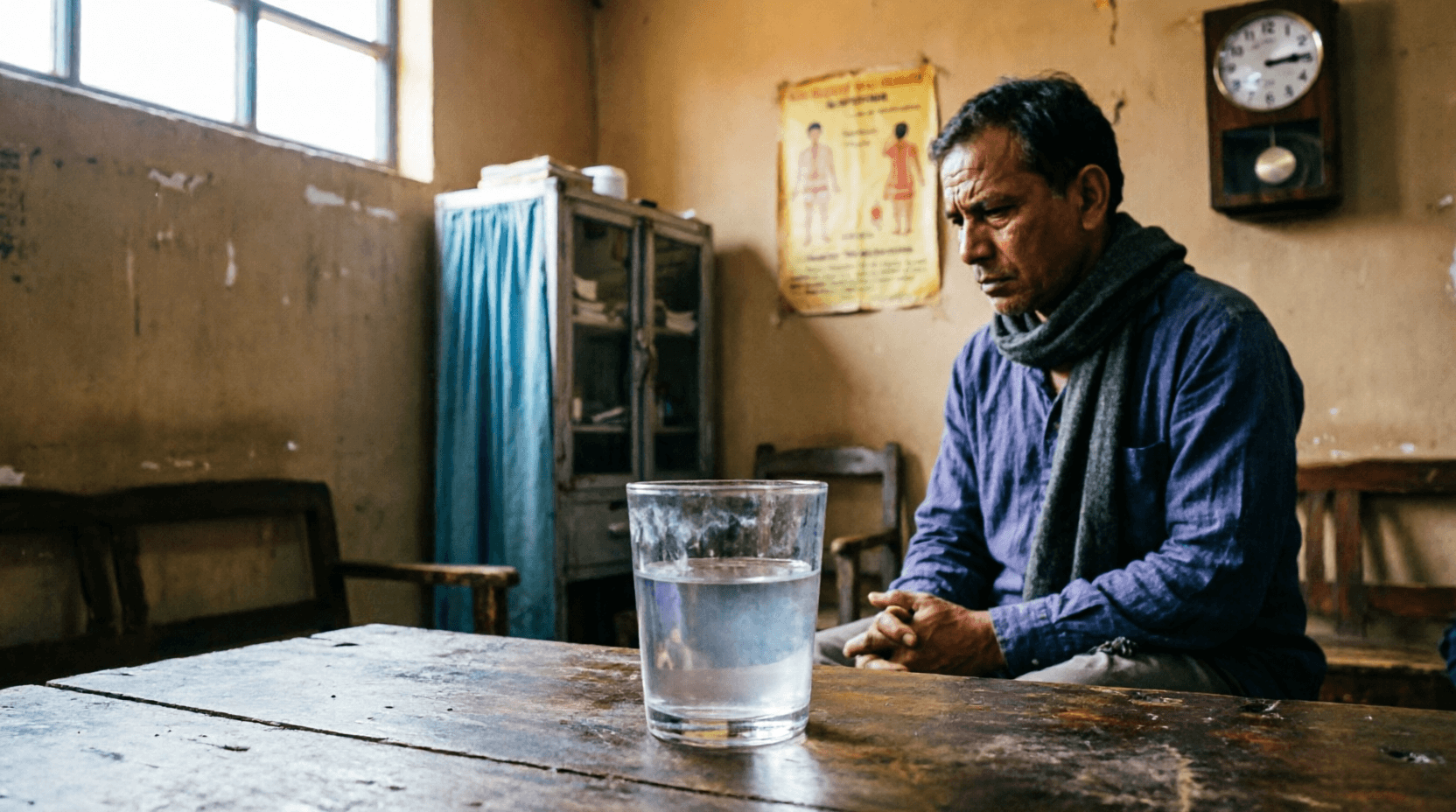
A 2026 study at Nepalgunj Medical College reveals a silent epidemic of alcoholic liver disease (ALD) in Nepal, with a 14% mortality rate among 384 hospitalized patients. The research found that South Asians are genetically more susceptible to liver damage, developing ALD with less alcohol consumption than Western populations. While men in their 40s comprised 80% of cases, women faced higher death rates (17.7% vs. 13.1%). With over 77% of patients presenting with jaundice and hepatic encephalopathy causing 81% of deaths, researchers urge immediate public health interventions, including routine screening and early detection programs, to address this preventable crisis.

6/14/2026Read Story