About Us
Connecting to Asian Air Sensors...
Research Watch
Healthcare Technology and Innovation

Health apps and digital therapeutics

Medically reviewed byAstha Paudel, MEng, PhD Candidate, Biomedical Engineering, PhD Candidate
Published August 16, 2023Updated March 11, 2026

In recent years, there has been a surge in health technology, particularly in the form of mobile health apps and digital therapeutics. These tools are aimed at improving healthcare outcomes by enabling patients to monitor and manage their health more effectively. In this article, we will explore the growing field of health apps and digital therapeutics, and how they are transforming the healthcare industry.

Health Apps:

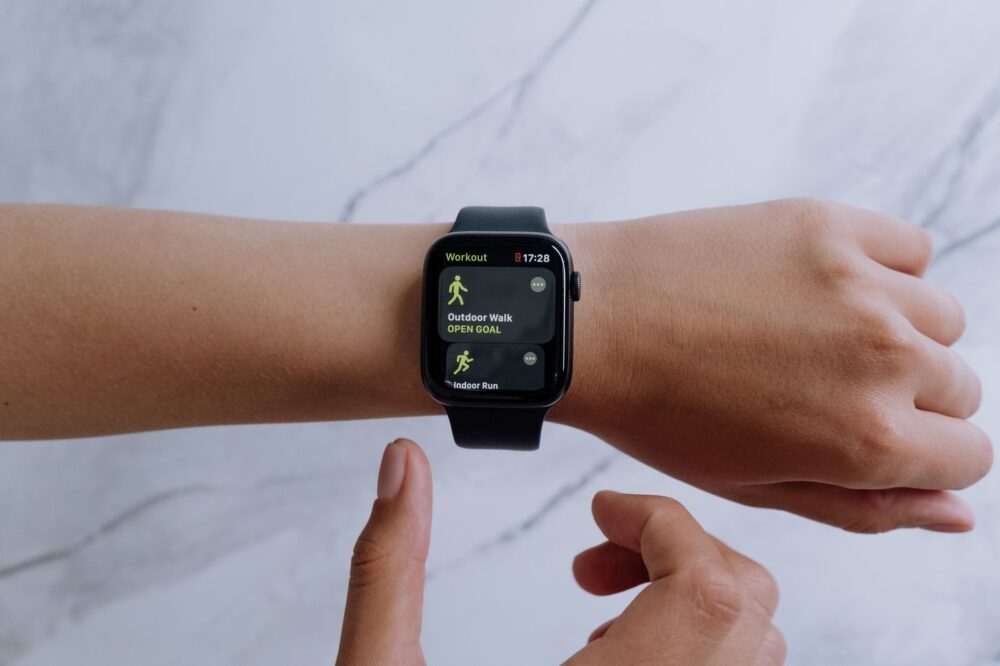
Health apps are mobile applications that are designed to promote health and wellness. These apps can range from simple tools that track fitness goals to more complex apps that monitor and manage chronic conditions such as diabetes or hypertension. Health apps provide users with real-time feedback, personalized recommendations, and data analysis, which can help them make better-informed decisions about their health.

A study by the University of California, San Francisco found that the use of health apps can lead to improved health outcomes in patients with chronic conditions. The study showed that patients who used health apps to monitor their conditions had better medication adherence, better disease management, and improved quality of life (1).

Digital Therapeutics:

Digital therapeutics are a form of health technology that use software to deliver therapeutic interventions. These interventions are designed to prevent, manage, or treat a medical condition. Digital therapeutics are evidence-based, clinically validated, and regulated by the FDA. They can be used alone or in conjunction with traditional medical treatments.

A study by the Journal of Medical Internet Research found that digital therapeutics can be effective in treating a wide range of conditions, including depression, anxiety, and substance abuse. The study found that digital therapeutics were as effective as traditional interventions and were more convenient and accessible for patients (2).

Benefits of Health Apps and Digital Therapeutics:

Health apps and digital therapeutics offer several benefits for patients and healthcare providers. These benefits include:

Improved Patient Outcomes: Health apps and digital therapeutics can lead to improved patient outcomes by providing real-time feedback, personalized recommendations, and data analysis.

Increased Patient Engagement: Health apps and digital therapeutics can increase patient engagement by providing patients with a sense of ownership over their health.

Reduced Healthcare Costs: Health apps and digital therapeutics can reduce healthcare costs by promoting preventive care, reducing the need for hospitalization, and improving medication adherence.

Remote Monitoring: Health apps and digital therapeutics can facilitate remote monitoring of patients, allowing healthcare providers to monitor patients’ health in real-time and make timely interventions.

Conclusion:

Health apps and digital therapeutics are transforming the healthcare industry by providing patients with more control over their health and enabling healthcare providers to deliver more personalized care. Research studies have shown that health apps and digital therapeutics can lead to improved patient outcomes, increased patient engagement, and reduced healthcare costs. As health technology continues to advance, we can expect to see even more innovations in this field.

References (2)
  1. Mendiola, M. F., Kalnicki, M., & Lindenauer, P. K. (2018). Valuable Features in Mobile Health Apps for Patients and Consumers: Content Analysis of Apps and User Ratings. JMIR mHealth and uHealth, 6(6), e10723. https://doi.org/10.2196/10723
  2. Ventola, C. L. (2018). Mobile devices and apps for health care professionals: uses and benefits. P&T: a peer-reviewed journal for formulary management, 43(5), 286–296.

Share this article

About the Reviewer
Medically Reviewed By
Astha Paudel
Astha Paudel, MEng, PhD Candidate
Biomedical Engineering, PhD Candidate

Astha Paudel is an accomplished Biomedical Engineering researcher and PhD candidate, distinguished by her expertise in bio-nanomaterials and tissue engineering. Based at the University of Akron, her work operates at the cutting edge of regenerative medicine, bridging the gap between advanced material science and clinical wound-care solutions. With an international academic background spanning Nepal, Thailand, and the United States, Astha integrates global scientific perspectives into her research on decellularized scaffolds and biosynthesized nanoparticles. She is recognized for her contributions to high-impact literature and her commitment to the integrity of medical research through academic peer review. Education & Academic Honors PhD in Biomedical Engineering (In Progress): University of Akron, USA. Master of Science (MS): Specialized in Biomedical Engineering/Material Science. International Pedigree: Academic training and research history across Nepal and Thailand. Clinical & Research Specialization Astha’s research focuses on the intersection of nanotechnology and pharmacology, with specific technical expertise in: Tissue Engineering: Development of chitosan composite scaffolds and decellularized fish skin for advanced wound healing and tissue repair. Bio-Nanomaterials: Investigating biosynthesized silver nanoparticles and their therapeutic applications. Phytochemical Analysis: Exploring the medicinal properties of plants, specifically Curcuma caesia, for pharmacological integration. Technical Expertise & Methodologies Astha maintains a robust technical toolkit essential for next-generation medical innovation: Experimental Mastery: Human cell line culture (MTT-assays, cryopreservation), bacterial cell culture, and histological analysis. Computational Analysis: Advanced data modeling and statistical analysis using MATLAB, GraphPad Prism, and SPSS. Research Recognition and Honors Top-Cited Article (2023–2024): Recognized by the International Journal of Biomaterials for ground-breaking work on decellularized fish skin scaffolds and silver nanoparticles. Global Academic Evaluator: Serving as a dedicated Peer Reviewer for Ethnobotany Research and Applications. Professional Contributions & Mentorship Beyond her primary research, Astha is a seasoned educator and academic mentor. She has played a pivotal role in training the next generation of engineers in histology and complex research methodologies, ensuring the continuity of excellence in the biomedical field

Full Bio & Reviews

Related Content