Research Watch

One in Three Pregnant Women in Pokhara Experiencing SevereStress, New Study Shows

ByAstha Paudel, MEng, PhD CandidateBiomedical Engineering, PhD Candidate
Published February 10, 2026Updated February 28, 2026

Pokhara, Nepal — February 9, 2026


A new study from Gandaki Medical College has revealed that a significant number of pregnant women in Pokhara are struggling with high levels of stress and anxiety—an issue researchers say has been largely overlooked in Nepal’s maternal health system.

Published in the Nepal Medical College Journal (Vol. 27, No. 4), the research assessed stress and anxiety among pregnant women attending the Gynaecology and Obstetrics outpatient department. Using two internationally recognized tools—the Pregnancy Stress Rating Scale (PSRS) and the Perinatal Anxiety Screening Scale (PASS)—the study paints a sobering picture of the emotional burden carried by expectant mothers.

A Silent Crisis Behind the Checkups

While Nepal has made steady progress in improving physical maternal care, the study suggests that emotional well‑being has not received the same attention. According to the findings, 32.6% of pregnant women were experiencing severe stress, while another 33.9% reported moderate stress. Only a third fell into the “eustress” category, meaning normal or manageable stress.
Anxiety levels followed a similar pattern. Although most women reported minimal anxiety, nearly one in four fell into the mild‑to‑moderate range, and a smaller group—2.4%—showed signs of severe anxiety.
Researchers found a clear link between the two conditions: higher stress was strongly associated with higher anxiety, a relationship supported by statistical analysis.

Family Support Makes a Measurable Difference

One of the study’s most striking findings is the role of family support. Women who reported stronger support systems had significantly lower anxiety scores. Those who felt isolated or unsupported were more likely to experience heightened anxiety during pregnancy. The authors observed that emotional, practical, and social support from family members serves as a protective factor, especially in cultures where pregnancy is regarded as a shared family responsibility.

No Demographic Group Is Immune

The study also examined whether stress levels varied by age, education,
income, or other demographic factors. The result: no significant association. Stress affected women across all backgrounds, suggesting that the emotional challenges of pregnancy in Pokhara are widespread and not limited to any particular group. A Call for Mental Health Screening in Antenatal Care Although the study does not prescribe specific interventions, its findings point toward a gap in Nepal’s maternal health approach. Antenatal visits typically focus on physical indicators—blood pressure, fetal growth, nutrition—but rarely include mental health screening. The researchers argue that integrating simple stress and anxiety assessments into routine checkups could help identify women who need additional support.

A Broader Public Health Conversation

As Pokhara continues to expand its healthcare services, the study raises an important question: Are expectant mothers receiving the emotional care they need?
Given that nearly one in three women experience severe stress, the authors emphasize that pregnancy-related mental health deserves greater recognition and support from families, communities, and healthcare systems.

Share this article

About the Author
Written By
Astha Paudel
Astha Paudel, MEng, PhD Candidate
Biomedical Engineering, PhD Candidate

Astha Paudel is an accomplished Biomedical Engineering researcher and PhD candidate, distinguished by her expertise in bio-nanomaterials and tissue engineering. Based at the University of Akron, her work operates at the cutting edge of regenerative medicine, bridging

See full bio & articles

Related Articles

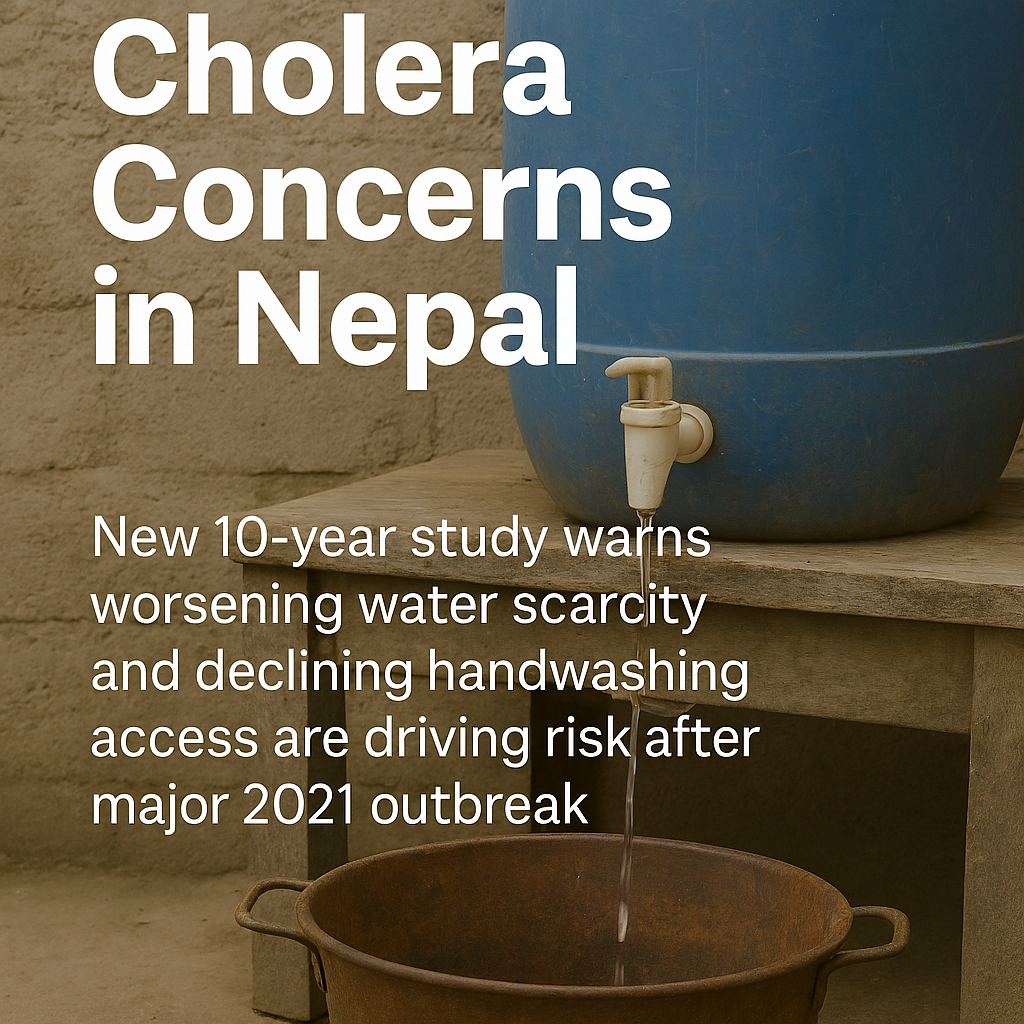
New Study Reveals Hidden Environmental Drivers Behind Nepal’s Ongoing Cholera Battle
Research Watch

New Study Reveals Hidden Environmental Drivers Behind Nepal’s Ongoing Cholera Battle

Nepal has nearly eliminated open defecation, but a new 10‑year study warns that worsening water scarcity and declining handwashing access are now driving cholera risk. After a major 2021 outbreak, researchers say climate‑driven droughts and floods, limited safe drinking water, and gaps in basic hygiene are undermining progress. They argue that Nepal’s cholera strategy must shift from toilet construction to ensuring reliable clean water and handwashing for every household.

The Silent Pandemic: Kathmandu’s Poultry Industry Is Breeding Untreatable Superbugs
Research Watch

The Silent Pandemic: Kathmandu’s Poultry Industry Is Breeding Untreatable Superbugs

Nepal’s Poultry Industry Faces a Colistin-Resistant Crisis New studies reveal that every E. coli sample from Kathmandu poultry farms is resistant to colistin—our last-resort antibiotic. With 90% of bacteria now multi-drug resistant, experts warn: without urgent reform, we risk entering a post-antibiotic era.

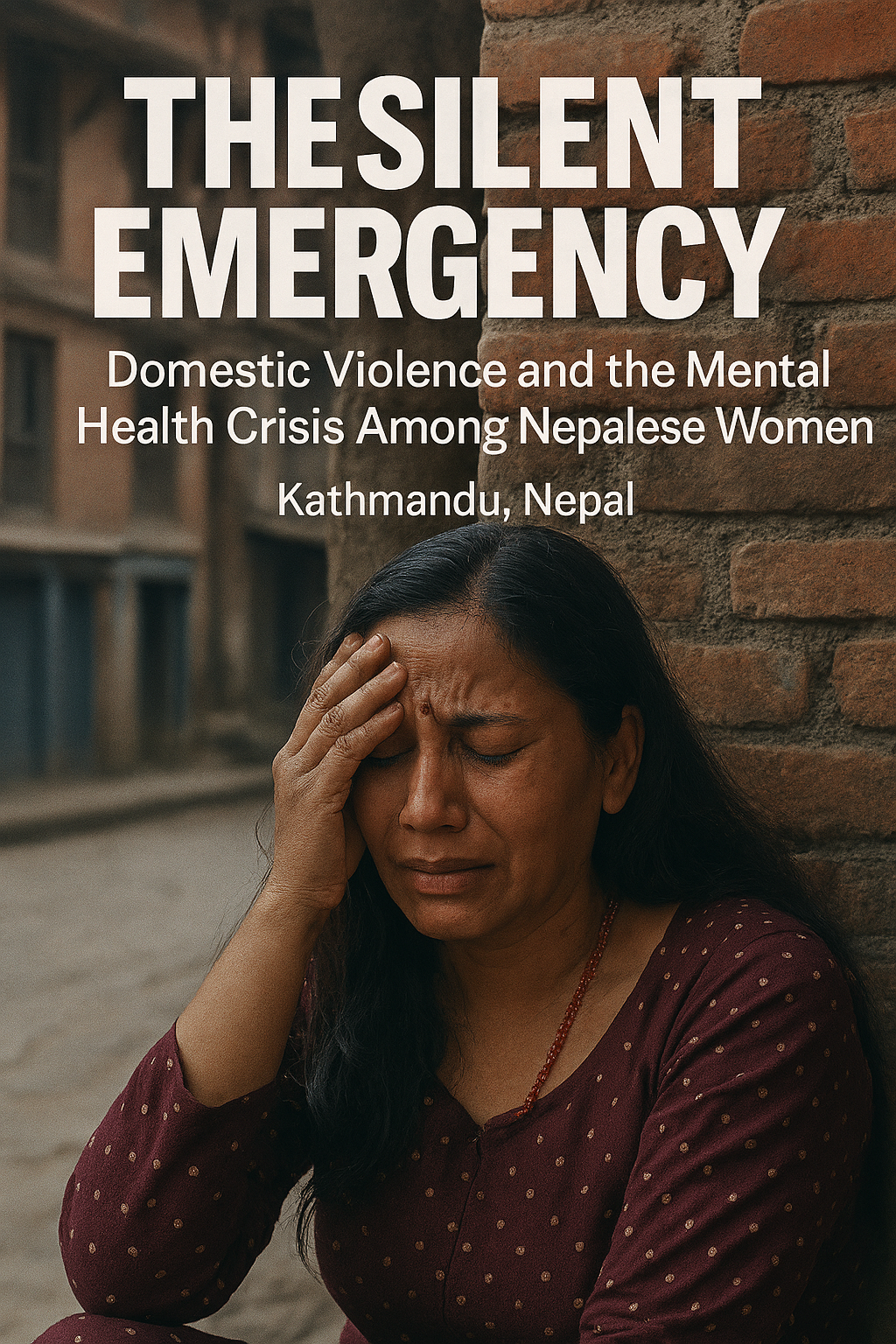
The Silent Emergency: Domestic Violence and the Mental Health Crisis Among Nepalese Women
Research Watch

The Silent Emergency: Domestic Violence and the Mental Health Crisis Among Nepalese Women

1. Domestic violence is driving a hidden mental‑health emergency among Nepalese women. Emotional abuse is the strongest predictor of harm, making women 3.38× more likely to develop moderate–severe depression. The risk multiplies with each added form of violence; women facing physical, sexual, and emotional abuse simultaneously are 6× more likely to experience deep clinical depression. 2.Suicide is tightly linked to intimate partner violence. Domestic violence accounts for 35% of suicides where a cause is known, and survivors are twice as likely to report suicidal thoughts. 3. Certain groups face disproportionate danger. Madhesh Province has the highest rates of spousal violence (37%). Women from the poorest households, marginalized castes, and those with partners who misuse alcohol face sharply elevated mental‑health risks. 4.Nepal’s mental‑health system is unable to meet the need. The country has only 0.68 psychiatrists and 0.12 clinical psychologists per 100,000 people. Meanwhile, 72% of survivors never seek help, and most who do rely on informal networks rather than trained professionals. 5.Eliminating intimate partner violence could prevent nearly a third of depression cases among women of reproductive age—making it one of Nepal’s most urgent public‑health priorities