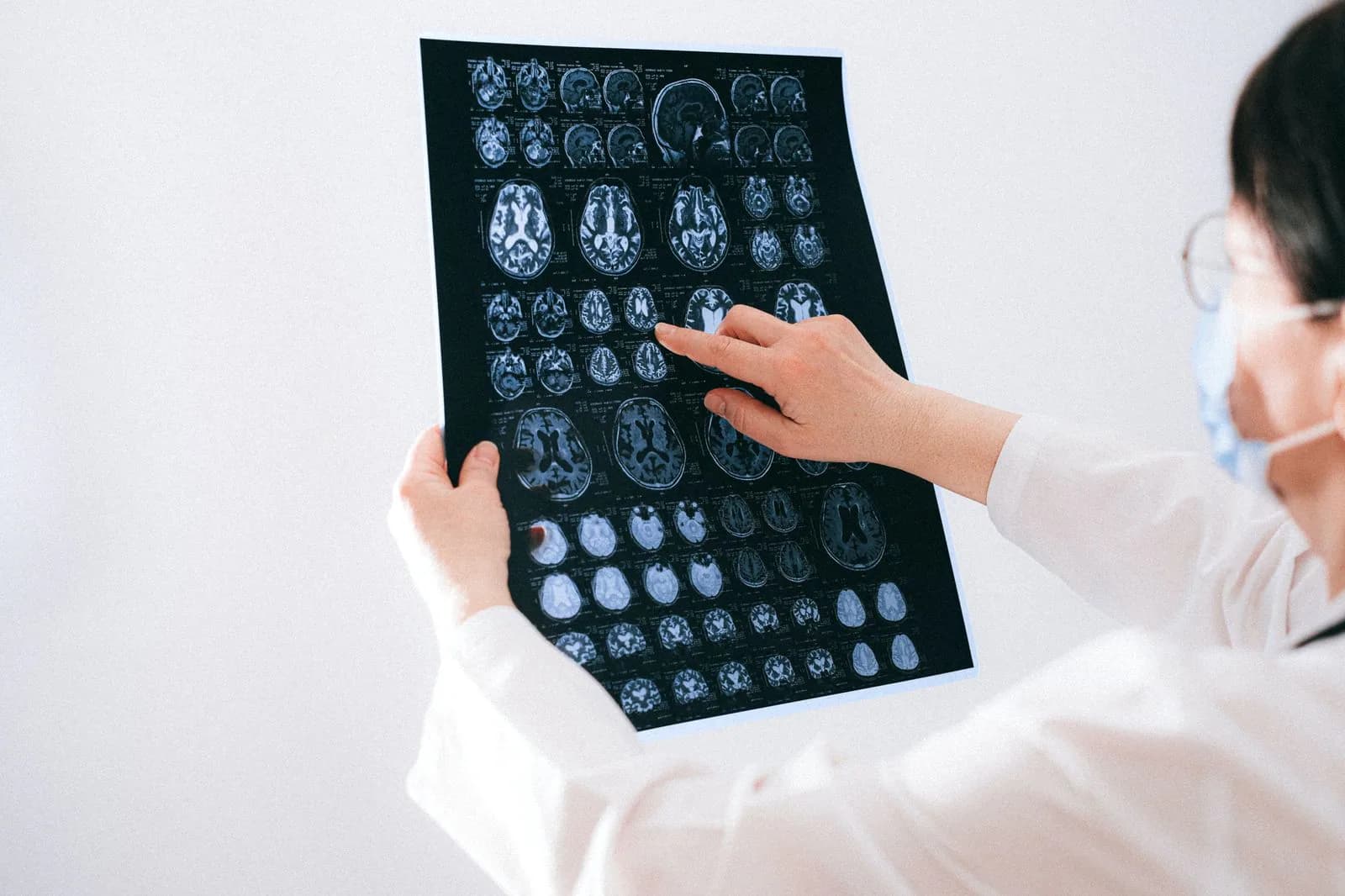
Stroke is a serious medical condition that occurs when blood flow to the brain is disrupted, leading to brain damage and often permanent disability. While there are several risk factors for stroke, such as age, genetics, and underlying medical conditions, a healthy diet can play a crucial role in reducing the risk of stroke. In this article, we will explore how nutrition can reduce the risk of stroke and discuss recent research findings on the vitamins and minerals that can help prevent stroke.
The role of nutrition in stroke prevention
A healthy diet can help reduce the risk of stroke by maintaining healthy blood pressure, blood sugar, and cholesterol levels, as well as by improving overall cardiovascular health. A diet that is rich in fruits, vegetables, whole grains, lean protein, and healthy fats, and low in saturated and trans fats, added sugars, and sodium can help lower the risk of stroke. Several studies have shown that a Mediterranean-style diet, which is rich in fruits, vegetables, whole grains, and healthy fats, can help reduce the risk of stroke.
The role of vitamins and minerals in stroke prevention
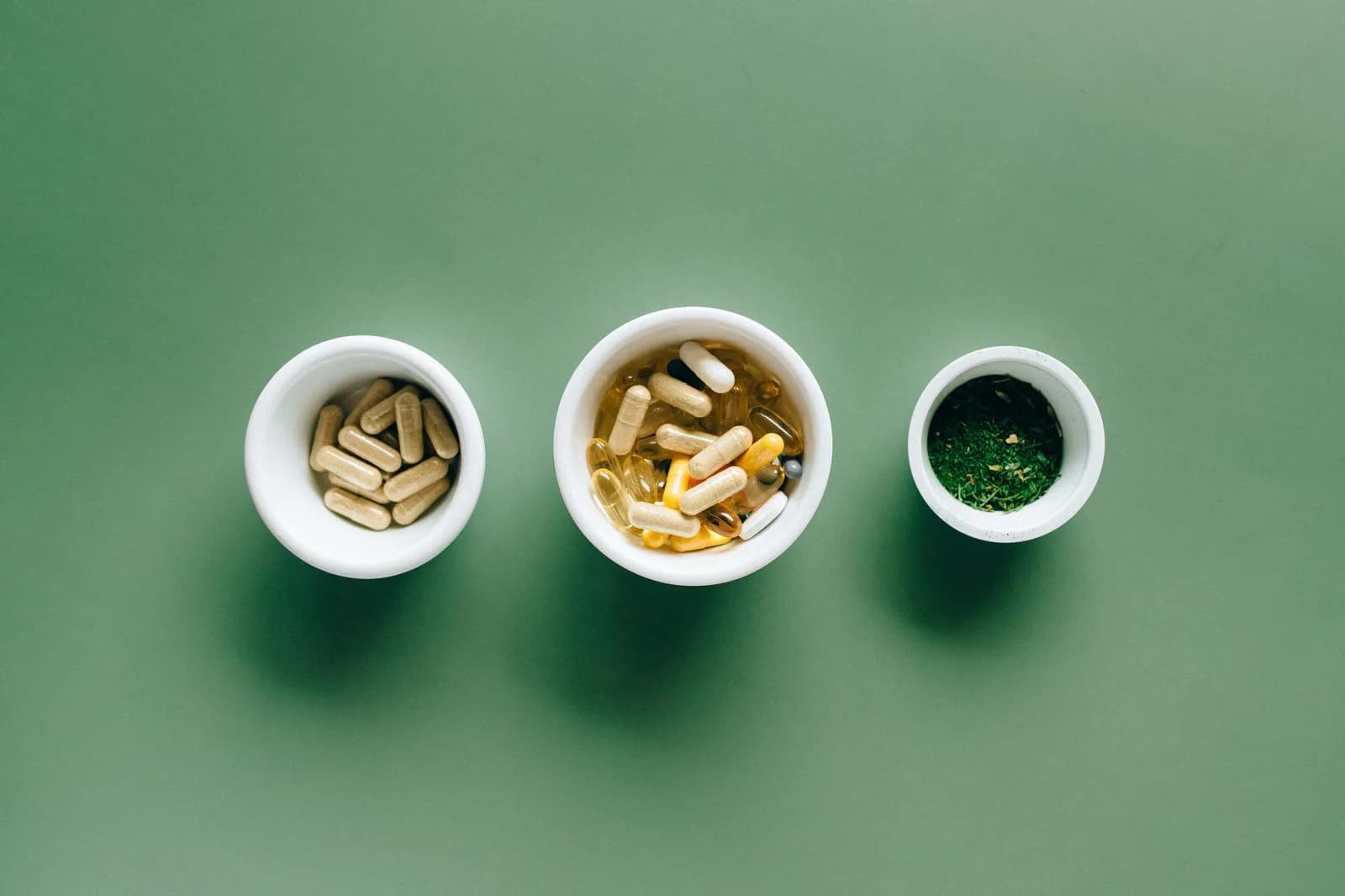
In addition to a healthy diet, certain vitamins and minerals have been shown to help prevent stroke. These include:
- Vitamin D: A study published in the Journal of the American Heart Association found that low levels of vitamin D are associated with an increased risk of stroke. Vitamin D can be obtained through sun exposure, fortified foods, and supplements.
- Magnesium: Several studies have shown that magnesium can help reduce the risk of stroke. Magnesium can be found in nuts, seeds, whole grains, and leafy green vegetables.
- Potassium: A study published in the Journal of the American College of Cardiology found that higher levels of potassium intake are associated with a lower risk of stroke. Potassium can be found in fruits, vegetables, and dairy products.
- Folate: A study published in the Journal of the American Medical Association found that higher levels of folate intake are associated with a lower risk of stroke. Folate can be found in leafy green vegetables, citrus fruits, beans, and fortified grains.
- Vitamin B6: A study published in the Journal of Nutrition found that higher levels of vitamin B6 intake are associated with a lower risk of stroke. Vitamin B6 can be found in fish, poultry, whole grains, and fortified cereals.
Conclusion
In conclusion, a healthy diet that is rich in fruits, vegetables, whole grains, lean protein, and healthy fats, and low in saturated and trans fats, added sugars, and sodium can help reduce the risk of stroke. Additionally, certain vitamins and minerals, such as vitamin D, magnesium, potassium, folate, and vitamin B6, can help prevent stroke. By incorporating these nutrients into a healthy diet, individuals can take a proactive approach to stroke prevention.