Nepal Health News, IPAC & Research | The Health Thread
Top Stories
Communities must be financed, not just celebrated, says UNAIDS' Eamonn Murphy ahead of AIDS 2026

The Plant-Powered Nanoparticle

Hold the line: Fulfil the 2027 #EndTB commitments without shifting goalposts
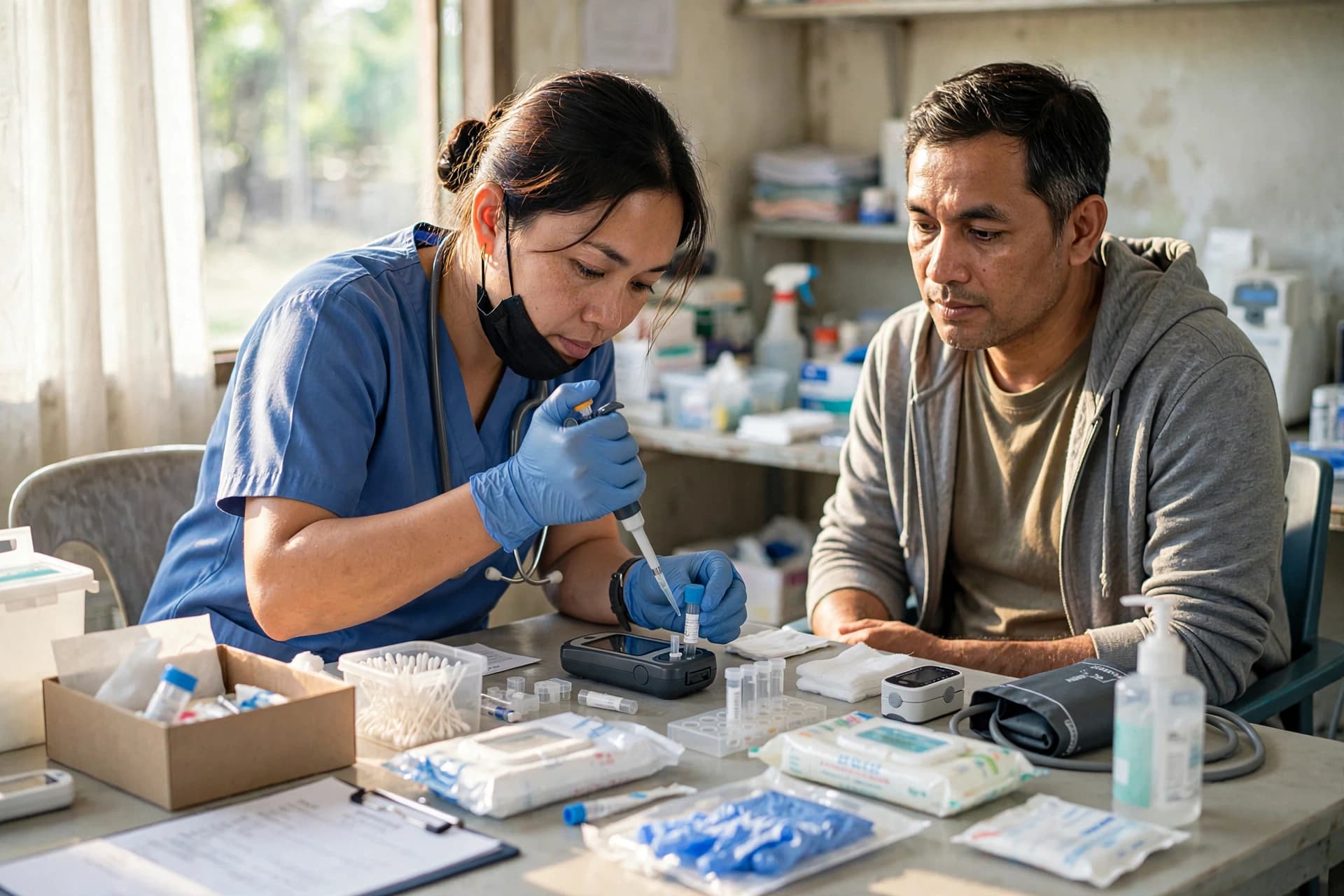
कुनै पनि पिसाब पवित्र हुँदैन: गाईको पिसाब र विज्ञानबीचको द्वन्द्व
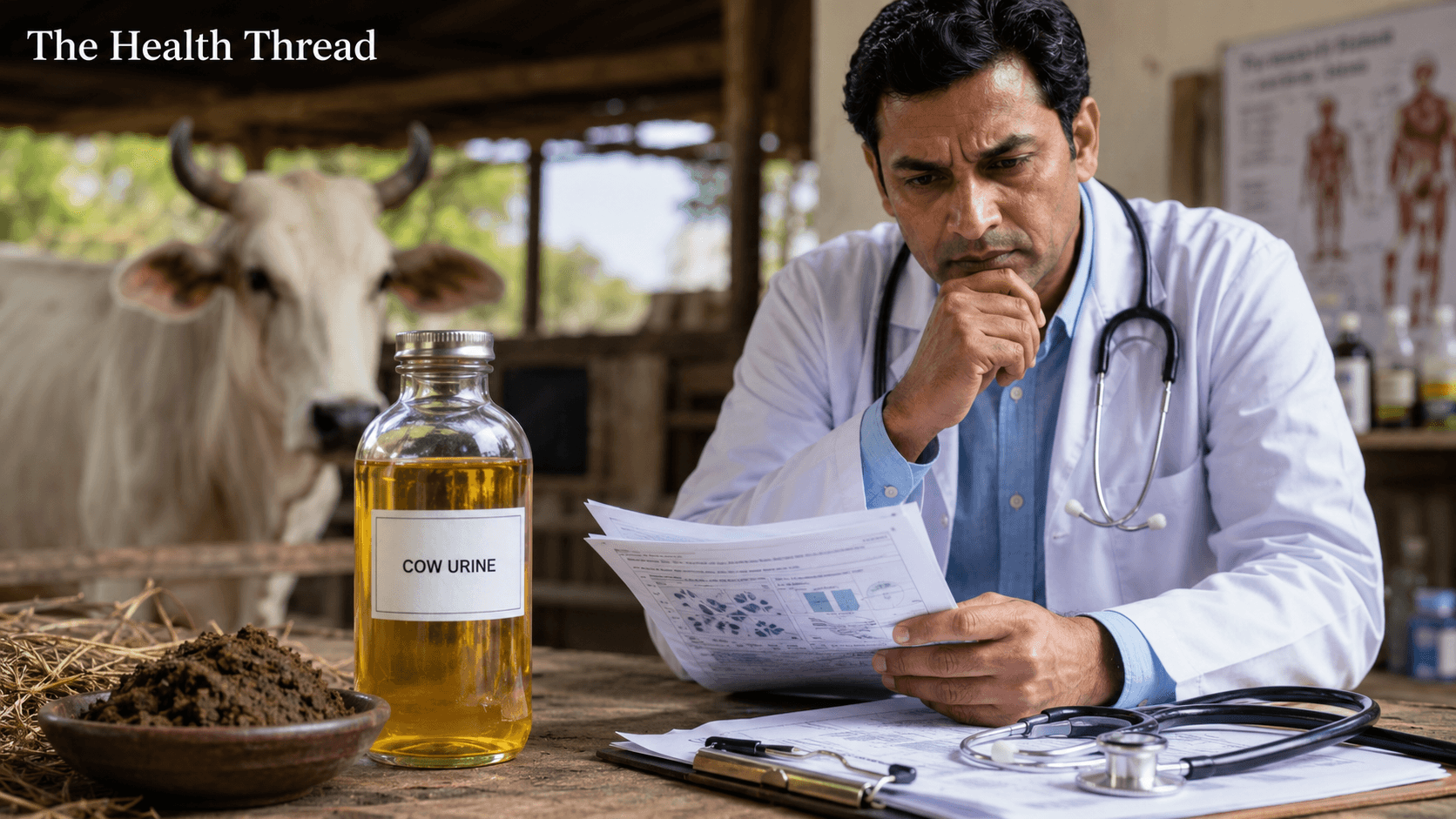
Rising above HIV diagnosis and turning pain into purpose
Your trusted source for Nepal health news, evidence-based IPAC guidelines, and the latest clinical research.
Research Watch
Latest Findings
More from Research Watch
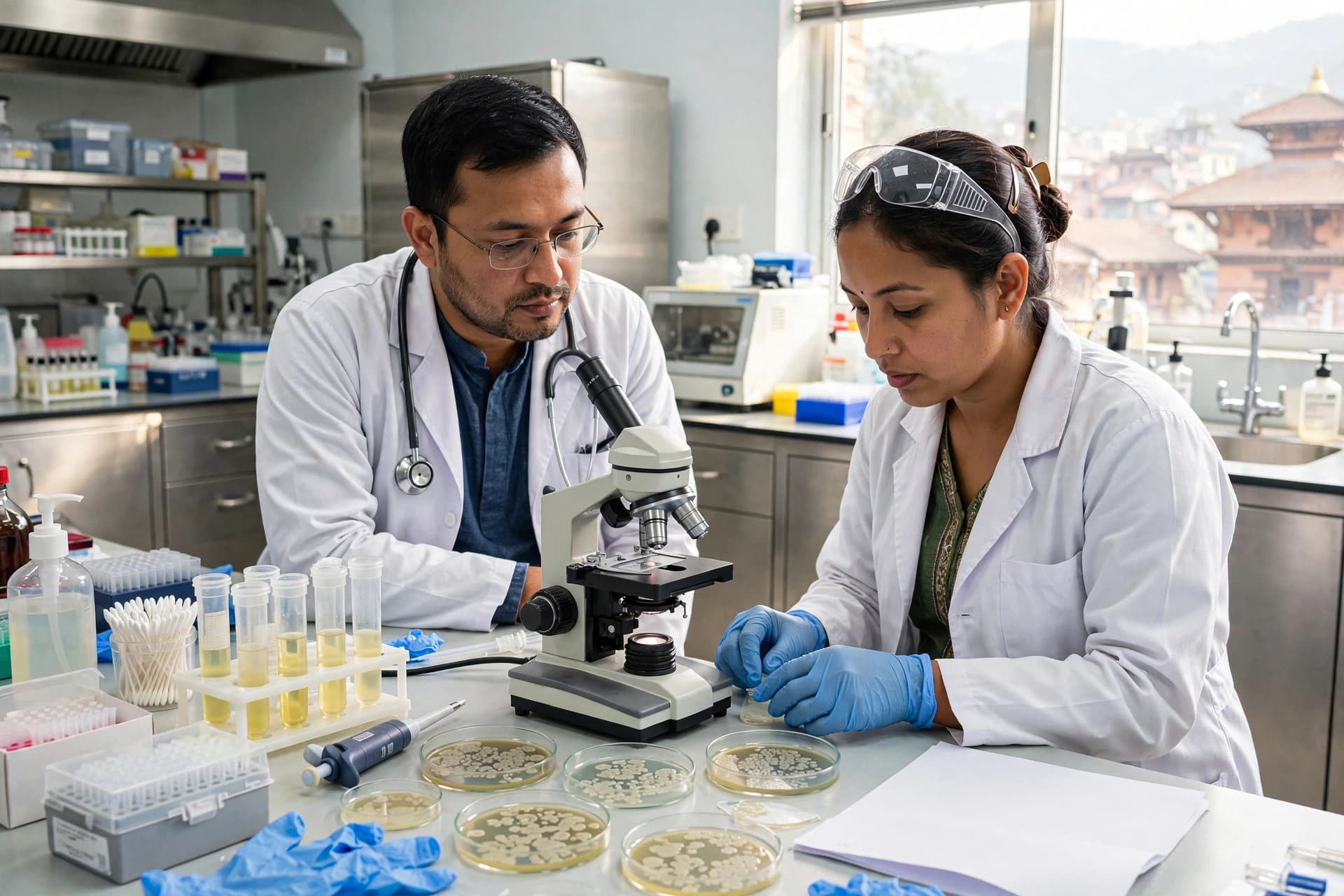
नेपालमा पिसाब नलीको संक्रमण र एन्टिबायोटिक प्रतिरोधको बढ्दो संकट
Sanjogta Thapa Magar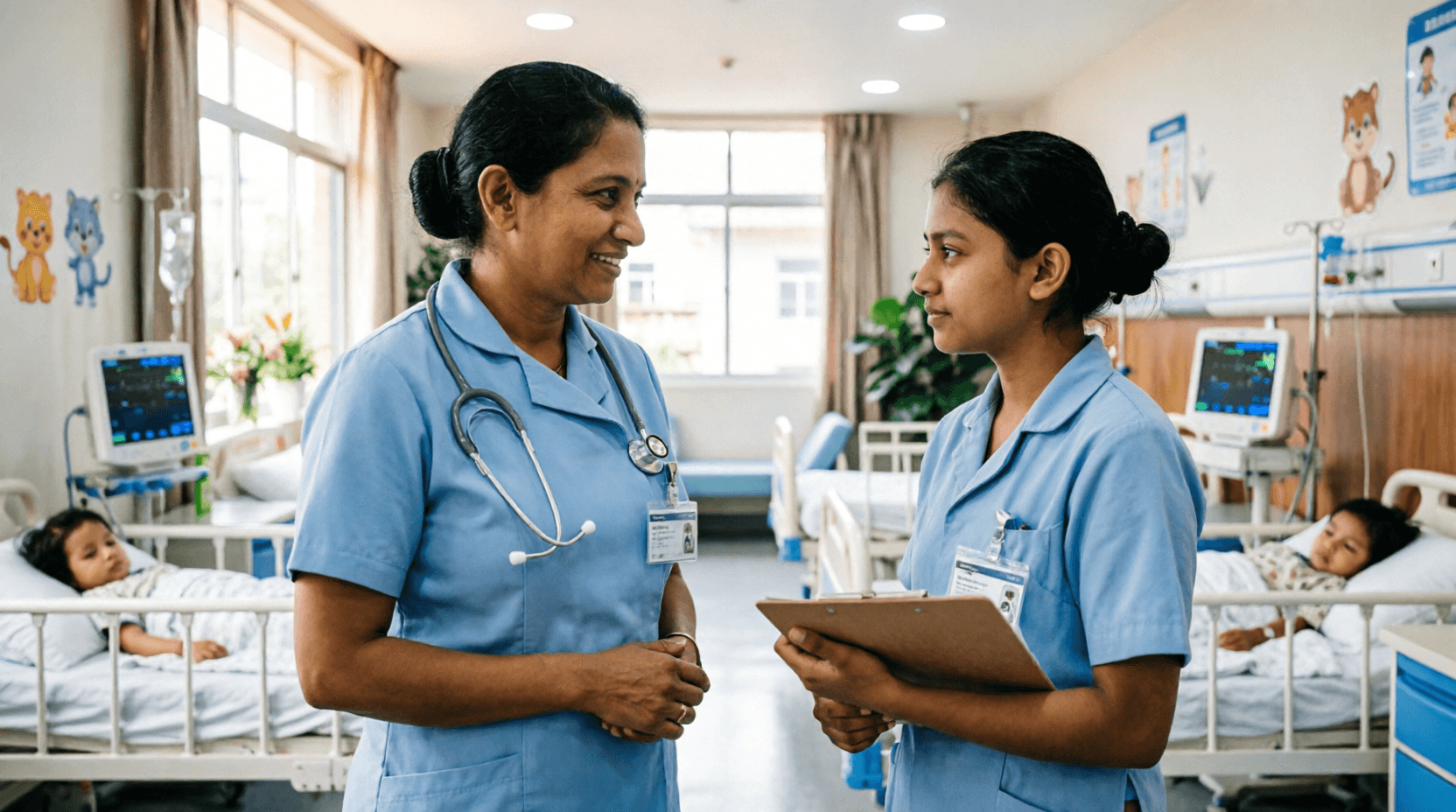
Frontline Perspectives on Nursing Leadership in Nepal
Liza Nagarkoti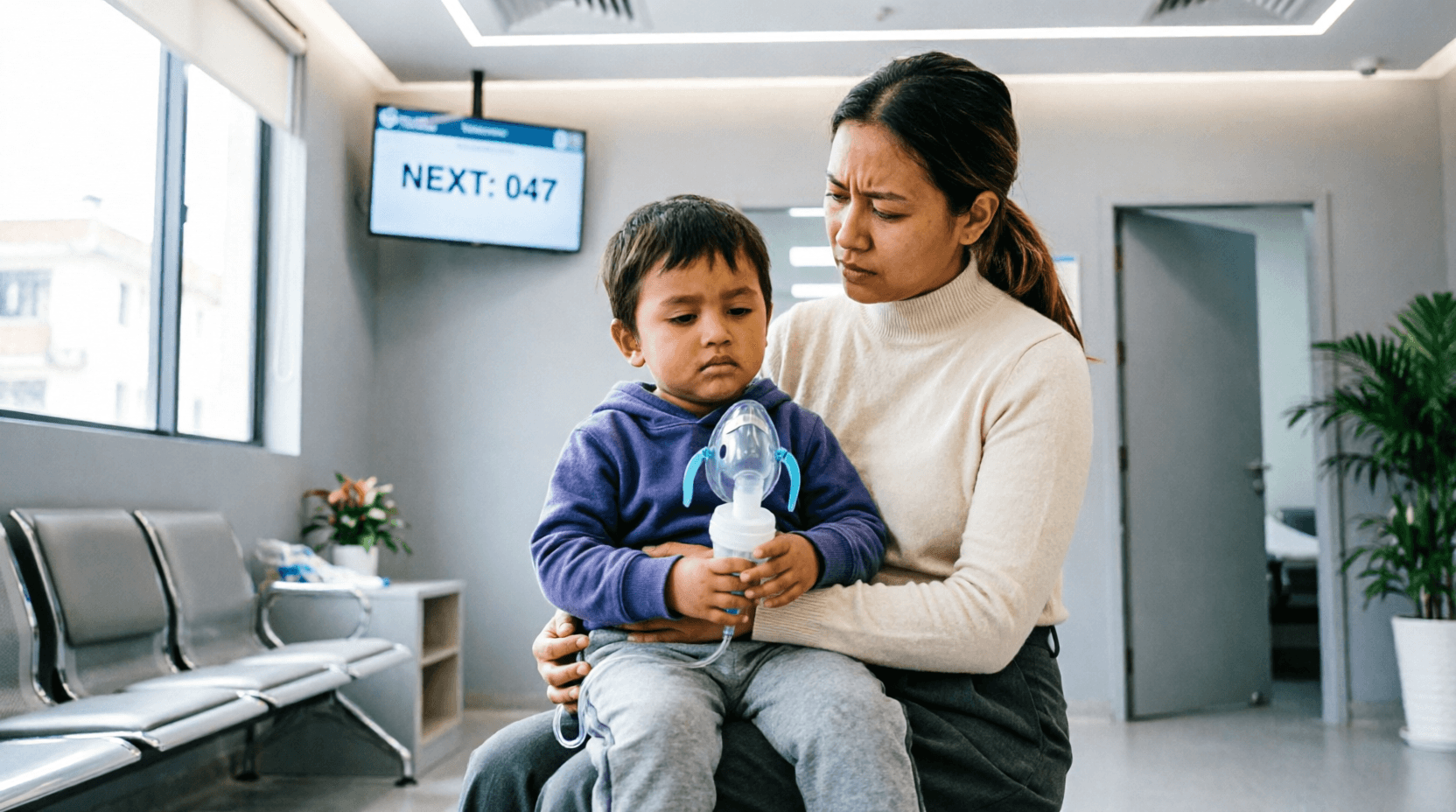
Protecting the Smallest Lungs from the Hidden Grip of RSV in Kathmandu
Kamala Shrestha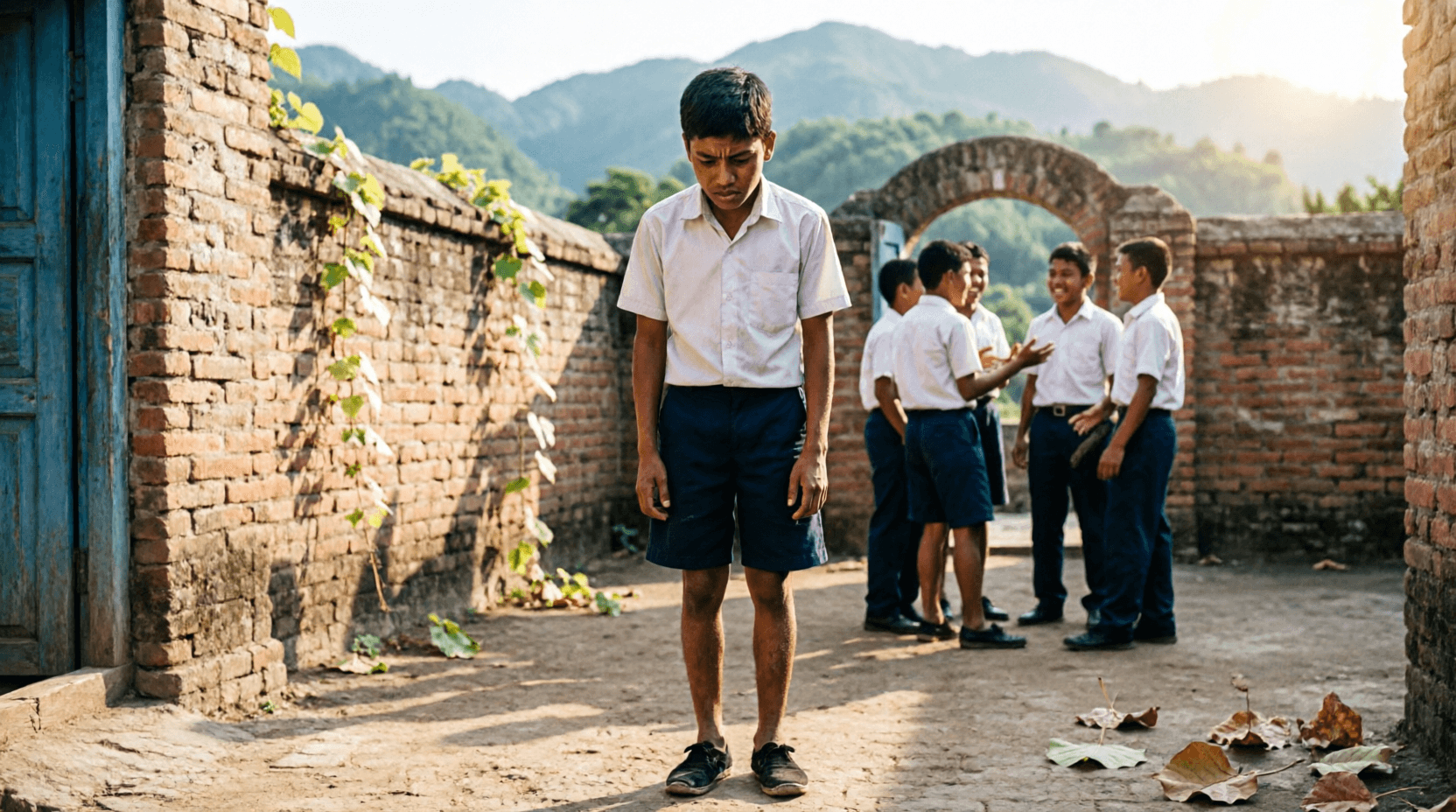
The Heavy Burden of Bullying on Student Wellbeing in Nepal
Sabina MaharjanGlobal Health & Current Affairs
Full CoverageCommunities must be financed, not just celebrated, says UNAIDS' Eamonn Murphy ahead of AIDS 2026
UNAIDS Regional Director Eamonn Murphy has urged governments to move beyond celebrating community organizations and instead provide sustained funding, stronger partnerships, and leadership roles in the global HIV response. Speaking ahead of AIDS 2026, he stressed that achieving the 2030 HIV targets, including 95-95-95 and 30-80-60, depends on empowering and financing community-led services, protecting human rights, and translating political commitments into funded national action.
संयोगले होइन, नियोजित रूपमा: विश्वव्यापी संक्रामक रोग वित्तीय सहयोगमा संरचनागत असमानता
विश्वव्यापी संक्रामक रोगको संकट केवल रोगको समस्या होइन, यो असमान स्वास्थ्य प्रणालीको परिणाम हो। HIV, क्षयरोग, उपेक्षित उष्णकटिबन्धीय रोगहरू र महामारी तयारीमा देखिएको वित्तीय कटौतीले गरिब देशहरूलाई सबैभन्दा बढी जोखिममा पारेको छ। विज्ञान, औषधि र उपचार उपलब्ध भए पनि, राजनीतिक निर्णय र असमान लगानीका कारण लाखौँ रोक्न सकिने मृत्युहरू अझै जारी छन्।
Building Trust: Community Dialogues Boost Ebola Response in DRC
In the Democratic Republic of Congo, community dialogues are proving crucial in overcoming resistance to Ebola (Bundibugyo virus disease) response efforts. By engaging local leaders and volunteers, health teams are dispelling myths, fostering understanding, and significantly increasing community participation in vital public health measures like contact tracing and safe burials, ultimately saving lives.
Read Update →Nepal Flood Relief: Urgent Call for Support to Aid Affected Communities
Following devastating floods in Rasuwa's Bhote Koshi river, impacting several districts, the Nepali government has initiated rescue and relief efforts. A heartfelt appeal has been issued for contributions to the Prime Minister's Disaster Relief Fund and Prime Minister's Relief Fund to support immediate needs and long-term rehabilitation for thousands affected, ensuring their safety and recovery.
Rohingya Camps Face Health Crisis as Funding Shortfalls Threaten Essential Services in Cox's Bazar
Nepal's Health Response to Floods: Protecting Communities from Waterborne Diseases
Sudan Boosts Ebola Readiness Amid Regional Health Concerns
EU Pledges €12 Million to WHO for Syria's Vital Health System Revival
Editor's Picks
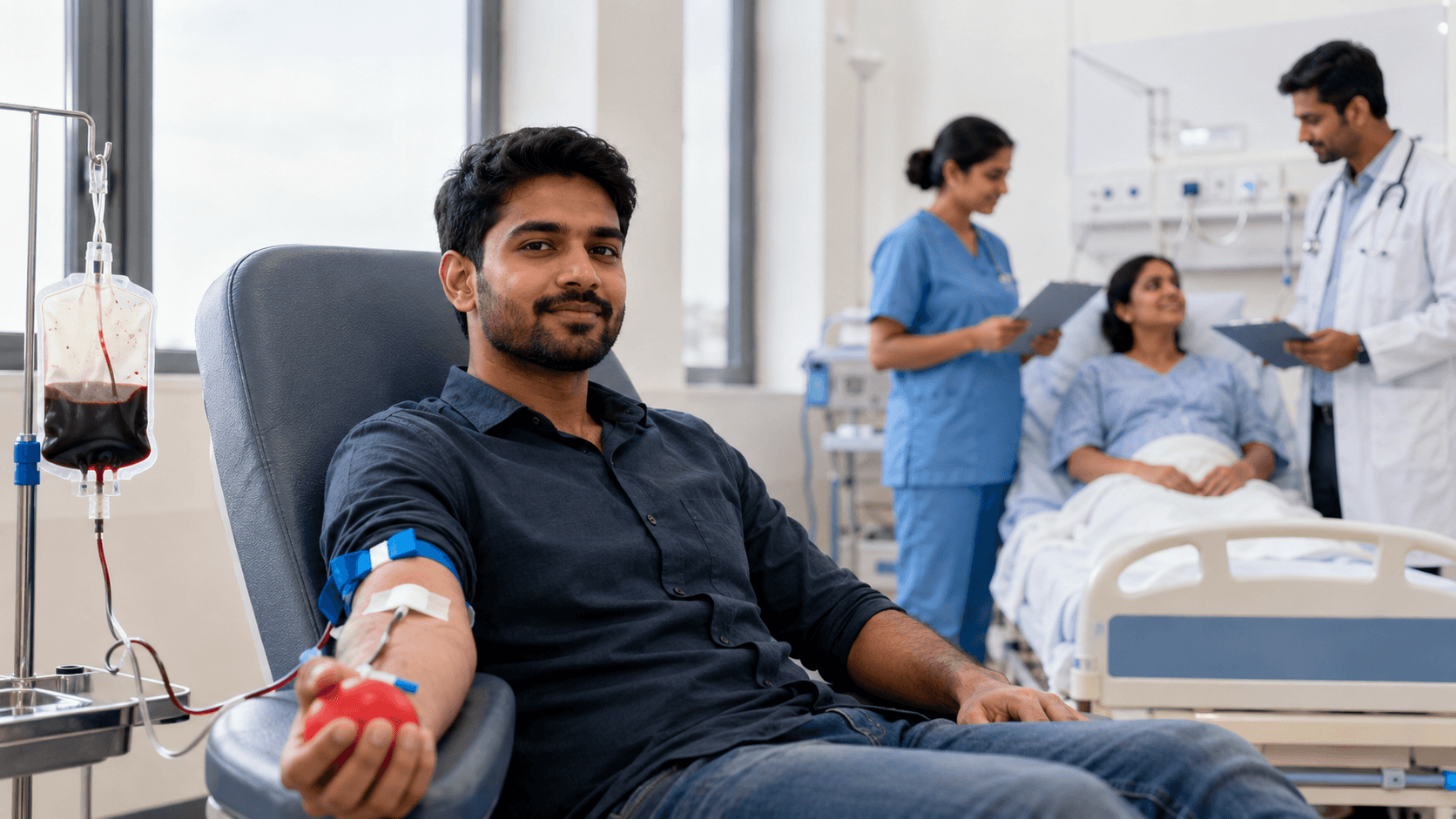
कहिल्यै कसैलाई कमजोर नबनाएको एक पिन्ट रगत: रक्तदानसम्बन्धी मिथ्या र त्यसको मूल्य चुकाइरहेका आमाहरू
रक्तदान गरेपछि शरीर लामो समय कमजोर हुन्छ भन्ने डर अझै धेरै मानिसमा छ। तर विज्ञानले स्पष्ट भन्छ, स्वस्थ वयस्कले दिएको एक पिन्ट रगत शरीरले सुरक्षित रूपमा पुनःपूर्ति गर्छ। यही मिथ्या विश्वासले सम्भावित दातालाई रोकिरहेको छ र प्रसूति, शल्यक्रिया तथा आपतकालीन बिरामीका लागि चाहिने रगतको अभाव झन् गहिरो बनाइरहेको छ।

बिहानको खाना नखाई हुँदैन भन्ने डर विज्ञानले होइन, नाफा खोज्ने कम्पनीहरूले चलाएको थियो।
बिहानको खाना सधैँ दिनकै सबैभन्दा महत्त्वपूर्ण भोजन हो भन्ने धारणा वैज्ञानिक प्रमाणभन्दा बढी व्यापार, विज्ञापन र सांस्कृतिक प्रभावबाट फैलिएको थियो। वयस्कमा बिहानको खाना नखाँदा तौल बढ्छ भन्ने बलियो प्रमाण छैन, तर नियमित रूपमा बिहानको खाना छोड्दा एलडीएल कोलेस्टेरोलमा केही असर देखिन सक्छ। बालबालिका र किशोरकिशोरीका लागि भने बिहानको खाना अझै महत्त्वपूर्ण देखिन्छ।
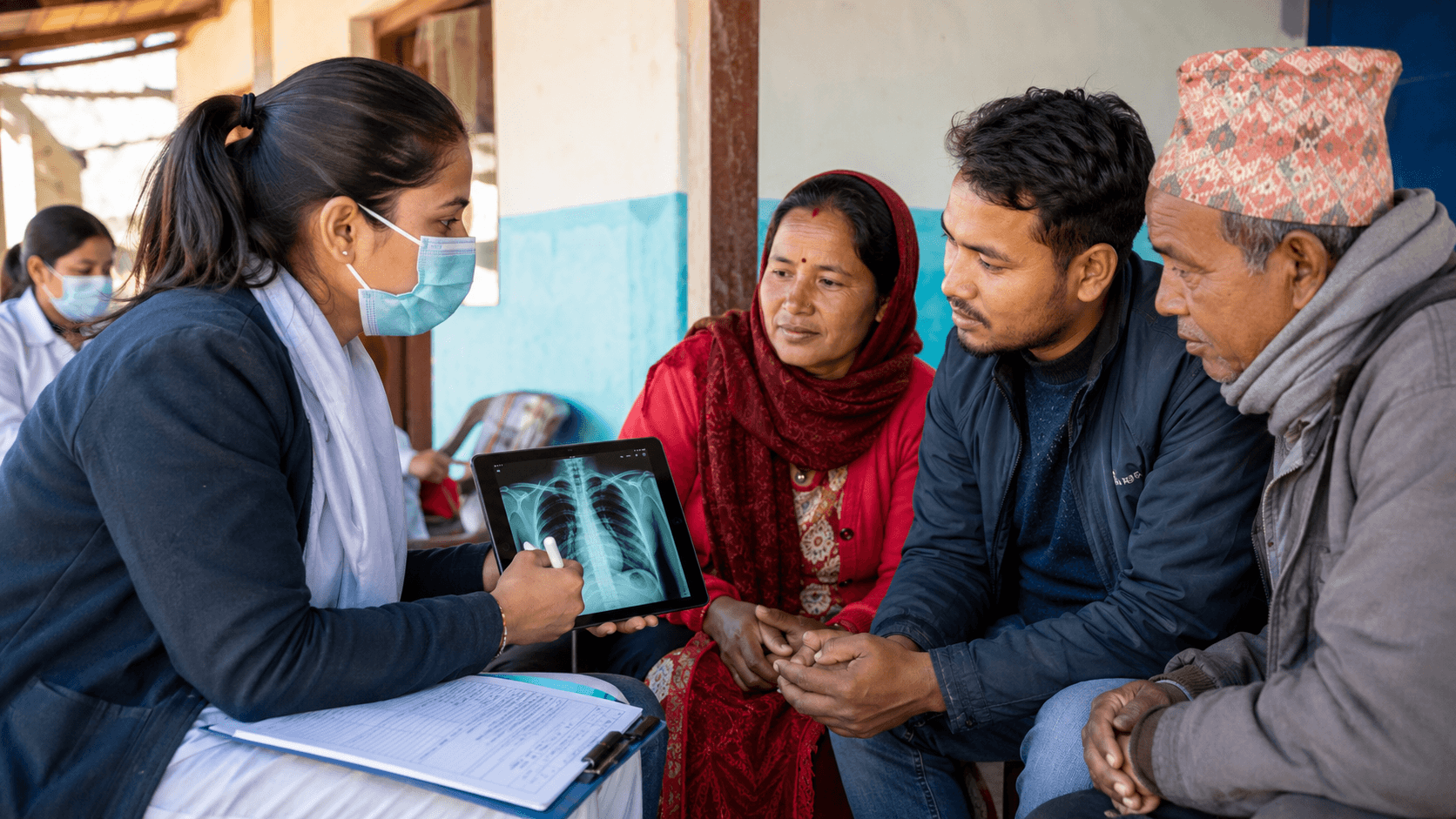
क्षयरोग सेवा दशकौँदेखि विस्तार भइरहँदा पनि हामी किन अझै क्षयरोग अन्त्य गर्ने बाटोमा छैनौँ?
क्षयरोगको उपचार र निदान सेवामा प्रगति भए पनि रोग अन्त्य गर्न यति मात्र पर्याप्त छैन। धुम्रपान, कुपोषण, मधुमेह, एचआईभी, गरिबी र कमजोर स्वास्थ्य पहुँचजस्ता मूल कारणलाई सम्बोधन नगरेसम्म नयाँ क्षयरोगका घटना घट्दैनन्। अब उपचारसँगै रोकथाम, समयमै स्क्रिनिङ, स्थानीय नेतृत्व र बहुक्षेत्रीय सहकार्यलाई क्षयरोग उन्मूलनको मुख्य आधार बनाउनुपर्छ।
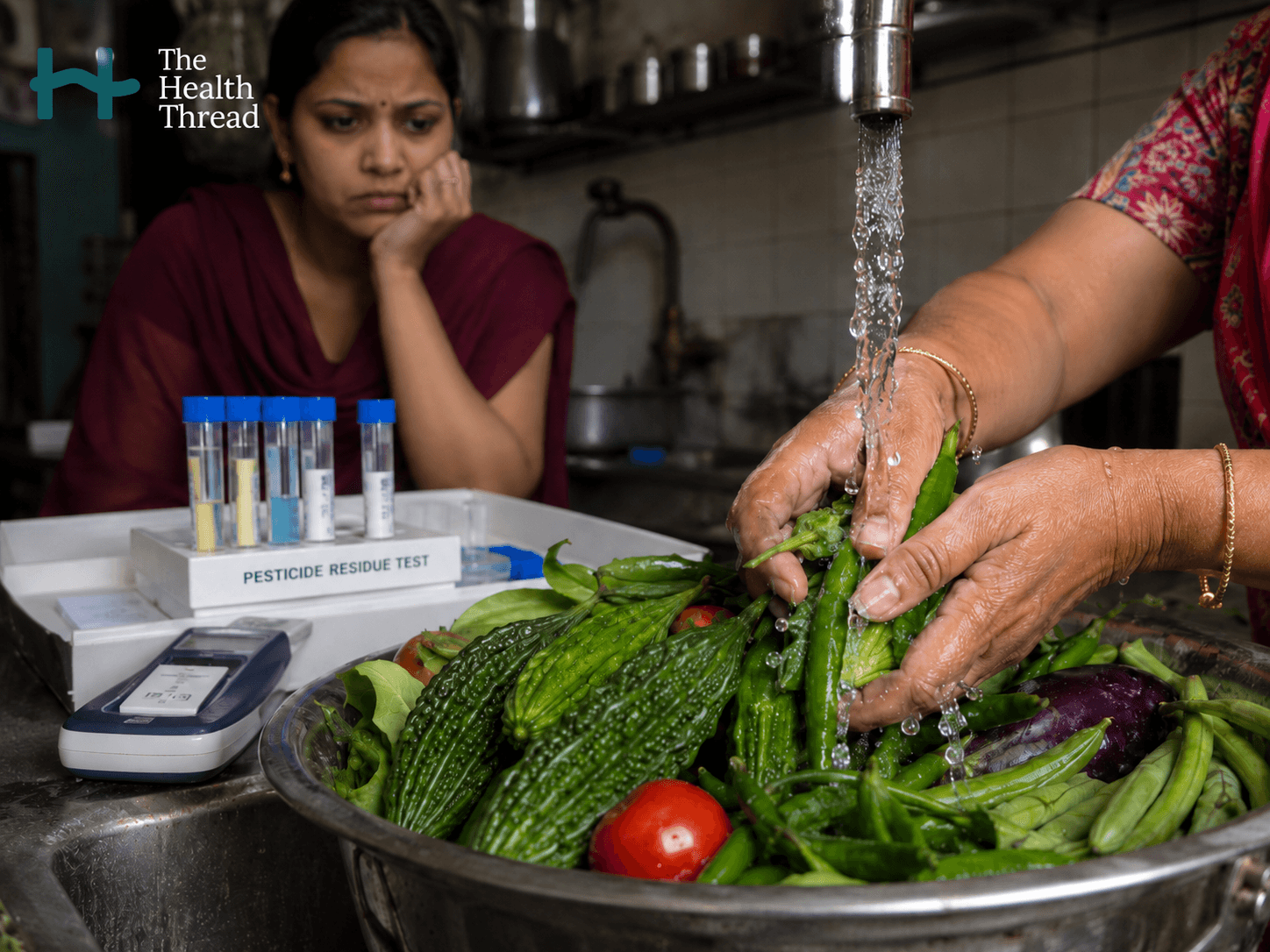
धोएर मात्रै सफा नहुने: दक्षिण एसियाको खानामा लुकेको विषादी संकट
तरकारी र चामलमा भेटिएका विषादी अवशेषले दक्षिण एसियाको खाद्य सुरक्षा संकटलाई गम्भीर बनाएको छ। सबै विषादी पानीले धुँदा हट्दैनन्, विशेषगरी बिरुवाभित्र सोसिएका सिस्टेमिक विषादी। कमजोर अनुगमन, विषादी छरेपछि कुर्नुपर्ने समय नपर्खी बजारमा पठाउने चलन र कडा कारबाहीको अभावले उपभोक्ताको थालसम्म जोखिम पुर्याइरहेको छ।
More Stories

स्क्रिनले खोस्दै गएको बाल्यकाल: स्मार्टफोन, सामाजिक सञ्जाल र बालबालिकाको मानसिक स्वास्थ्य
स्मार्टफोन र सामाजिक सञ्जालले बालबालिकाको ध्यान, निद्रा, पढाइ, मानसिक स्वास्थ्य र सामाजिक सीपमा गहिरो असर पार्न थालेको प्रमाण बढ्दो छ। विश्वका धेरै देशले विद्यालयमा फोन प्रयोगमाथि कडा नीति बनाइसकेका छन्। अब नेपालले पनि बालबालिकाको भविष्य जोगाउन फोन मुक्त विद्यालय र जिम्मेवार डिजिटल प्रयोगबारे गम्भीर निर्णय लिनुपर्ने समय आएको छ।

अफ्रिकामा लैङ्गिक समानता र स्वास्थ्य अधिकारविरुद्ध बढ्दो पितृसत्तात्मक प्रतिरोध
अफ्रिकामा प्रस्तावित नयाँ मस्यौदा बडापत्रले परिवार, संस्कृति र सार्वभौमिकताको नाममा लैङ्गिक समानता, स्वास्थ्यको अधिकार र मानव अधिकारका उपलब्धिहरू कमजोर बनाउने खतरा बढाएको छ। अधिकारकर्मीहरूका अनुसार, यो प्रयास अफ्रिकाको मात्र समस्या होइन। एउटा क्षेत्रमा अधिकार फिर्ता लिने अभ्यास संसारका अन्य ठाउँका लागि पनि खतरनाक उदाहरण बन्न सक्छ। उनीहरूले मापुटो प्रोटोकलको रक्षा गर्दै लैङ्गिक समानता, प्रजनन स्वास्थ्य अधिकार र मानव मर्यादालाई अटल मानव अधिकारका रूपमा अघि बढाउन विश्वव्यापी ऐक्यबद्धताको आह्वान गरेका छन्।

बिरामीलाई दिने जुस: पौष्टिक आहार कि फलको नाममा गुलियो भ्रम?
नेपालमा बिरामी भेट्न जाँदा जुस लैजाने चलन सामान्य छ। तर एक गिलास जुस र एउटा सिंगो फल एउटै होइनन्। जुस बनाउँदा फलको फाइबर र गुदीको ठूलो हिस्सा हट्छ, जसले रगतमा चिनी छिटो बढाउन सक्छ। अझ बजारमा “फलको जुस” भनेर बेचिने सबै उत्पादनहरू साँच्चिकै फलको जुस नहुन पनि सक्छन्। यो लेखले जुस, फाइबर, चिनी, मधुमेह जोखिम र दक्षिण एसियाली बजारमा जुसको नाममा बेचिने उत्पादनबारे वैज्ञानिक प्रमाणका आधारमा स्पष्ट रूपमा बुझाउँछ।
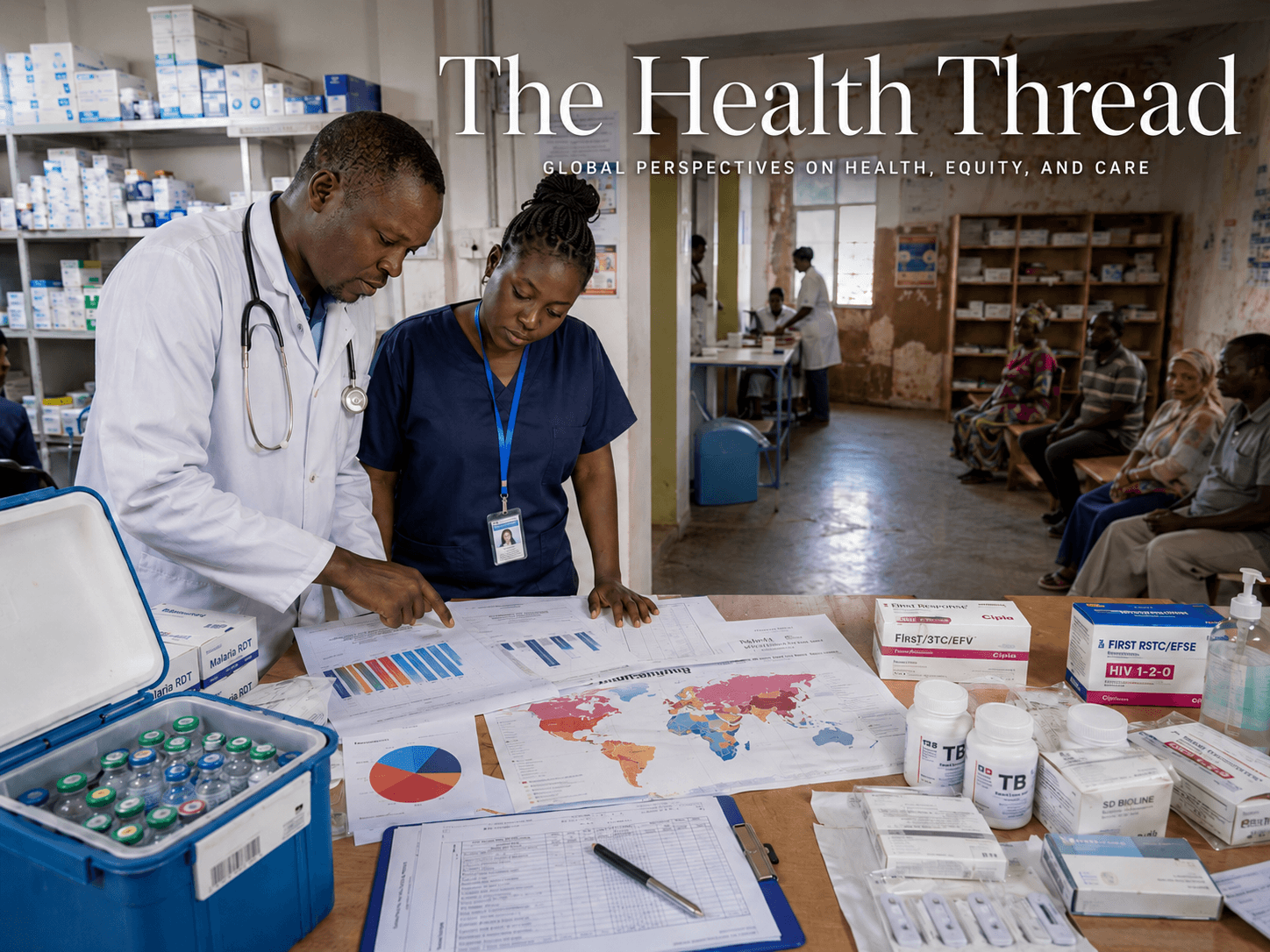
संयोगले होइन, नियोजित रूपमा: विश्वव्यापी संक्रामक रोग वित्तीय सहयोगमा संरचनागत असमानता
विश्वव्यापी संक्रामक रोगको संकट केवल रोगको समस्या होइन, यो असमान स्वास्थ्य प्रणालीको परिणाम हो। HIV, क्षयरोग, उपेक्षित उष्णकटिबन्धीय रोगहरू र महामारी तयारीमा देखिएको वित्तीय कटौतीले गरिब देशहरूलाई सबैभन्दा बढी जोखिममा पारेको छ। विज्ञान, औषधि र उपचार उपलब्ध भए पनि, राजनीतिक निर्णय र असमान लगानीका कारण लाखौँ रोक्न सकिने मृत्युहरू अझै जारी छन्।

MetaGeneMiner and the High Stakes Search for Antibiotic Resistance
MetaGeneMiner: Rapid Genomic Diagnosis for Critical Care • The Challenge: Traditional antibiotic susceptibility testing is too slow for the ICU, often taking days to identify resistant "superbugs" while patients decline. • The Innovation: Researchers at Sichuan University developed MetaGeneMiner, a tool that uses a mathematical "k-mer" shortcut to extract specific resistance genes from complex DNA samples in hours. • Performance: Validated on ICU patients with A. baumannii and HSV-1, the software finished analyses in roughly two hours, nearly four times faster than standard digital mapping methods.
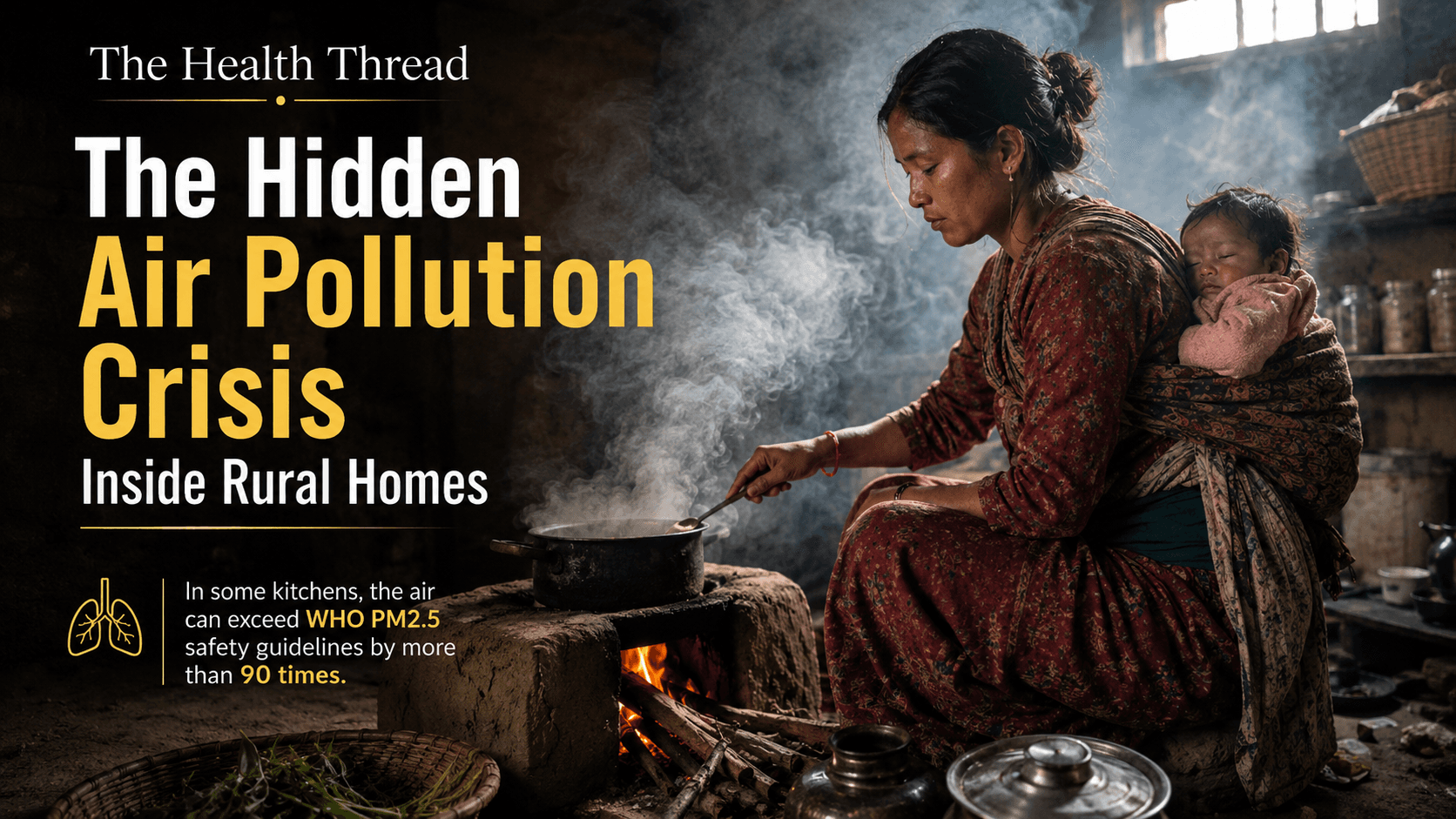
The Deadliest Room in the House: Indoor Air Pollution and South Asia's Most Overlooked Public Health Emergency
South Asia accounts for 36 percent of the world's household air pollution deaths, yet every policy conversation about "air quality" focuses on the outdoors. This investigation traces what's actually inside the smoke, from carcinogenic particulates to an overlooked contributor, incense, and asks why a woman's kitchen has never been classified as the hazardous workplace the evidence says it is.
Health News
See all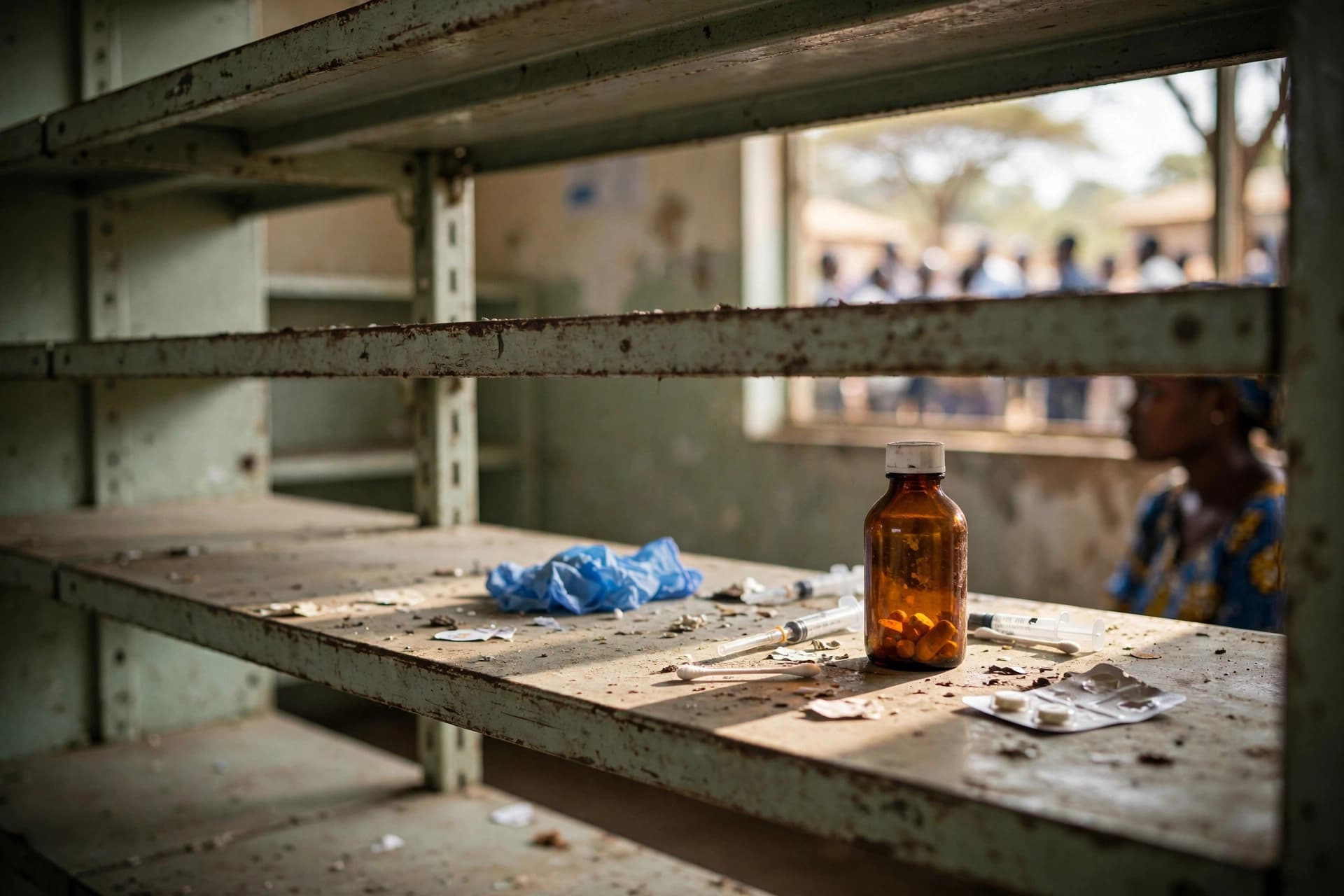
Shelves go dry, services collapse, anti-rights forces surge and deepen the crises
Communities must be financed, not just celebrated, says UNAIDS' Eamonn Murphy ahead of AIDS 2026
Rising above HIV diagnosis and turning pain into purpose
क्षयरोग सेवा दशकौँदेखि विस्तार भइरहँदा पनि हामी किन अझै क्षयरोग अन्त्य गर्ने बाटोमा छैनौँ?
धोएर मात्रै सफा नहुने: दक्षिण एसियाको खानामा लुकेको विषादी संकट
Wellness & Lifestyle
See allIn Depth
Long Reads

Policy & Public Health
Rising above HIV diagnosis and turning pain into purpose
क्षयरोग सेवा दशकौँदेखि विस्तार भइरहँदा पनि हामी किन अझै क्षयरोग अन्त्य गर्ने बाटोमा छैनौँ?
धोएर मात्रै सफा नहुने: दक्षिण एसियाको खानामा लुकेको विषादी संकट
अफ्रिकामा लैङ्गिक समानता र स्वास्थ्य अधिकारविरुद्ध बढ्दो पितृसत्तात्मक प्रतिरोध
The Deadliest Room in the House: Indoor Air Pollution and South Asia's Most Overlooked Public Health Emergency
Experts Urge Indonesia to Ratify Global Tobacco Treaty and Enforce Industry Accountability
The invisible must get served first by a legally binding treaty for older persons
Explore Health Topics
Get The Health Thread delivered to your inbox
Join thousands of readers who start their week with our curated health news, research breakthroughs, and expert analysis. Free, every Monday.
No spam, ever. Unsubscribe anytime.
“Ethical Health Journalism, from Kathmandu to the World”
The Health Thread bridges the gap between complex medical research and everyday readers.